Skip to content
INFUSE
⊹ RITUAL PLANTS ⊹

Life becomes ritual.

Forty-four treasures to honor life, open your senses, open your heart: ceremonial cacao, incense and sacred wood, lotus and rose flowers, master plants, elixirs to dream and to love more fully.

⊹ THE INVITATION ⊹

An invitation toward the sacred.

Honoring life, drinking with awareness, sharing beautiful moments with plants that are treasures.

All there is to do is stop, receive, love.

Each of these plants keeps its secrets and its mysteries. What an honor to share them.

⊹ PATHS OF THE SACRED ⊹

Six families of ritual plants

Taste, listen, smell, feel: alone, as two, or in a circle.
⊹ ON THE ALTAR ⊹

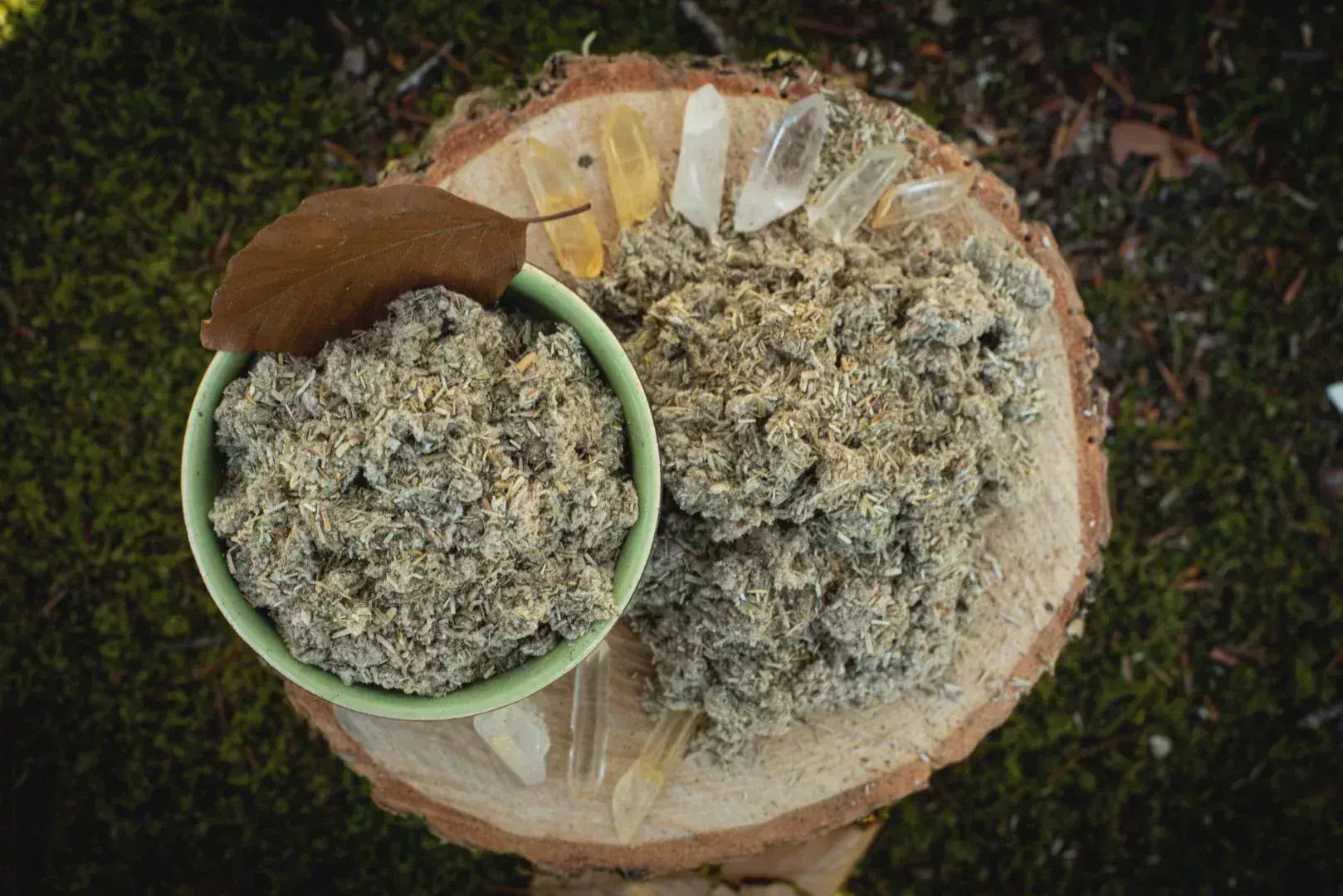
Treasures for the altar

Some are drunk, others are worn on the skin or rest on the altar.

⊹ THE ELIXIRS ⊹

Elixirs to dream, to love more fully.

They accompany meditation, sensual presence. Each elixir carries its own magic.

⊹ BY INTENTION ⊹

For…

From the most intimate to the most shared: opening the heart, meditating, entering the practice. And plants for those who have the courage to hold a circle.

Cacao, food of the Gods.
⊹ CEREMONIAL CACAO ⊹

Cacao, food of the Gods.

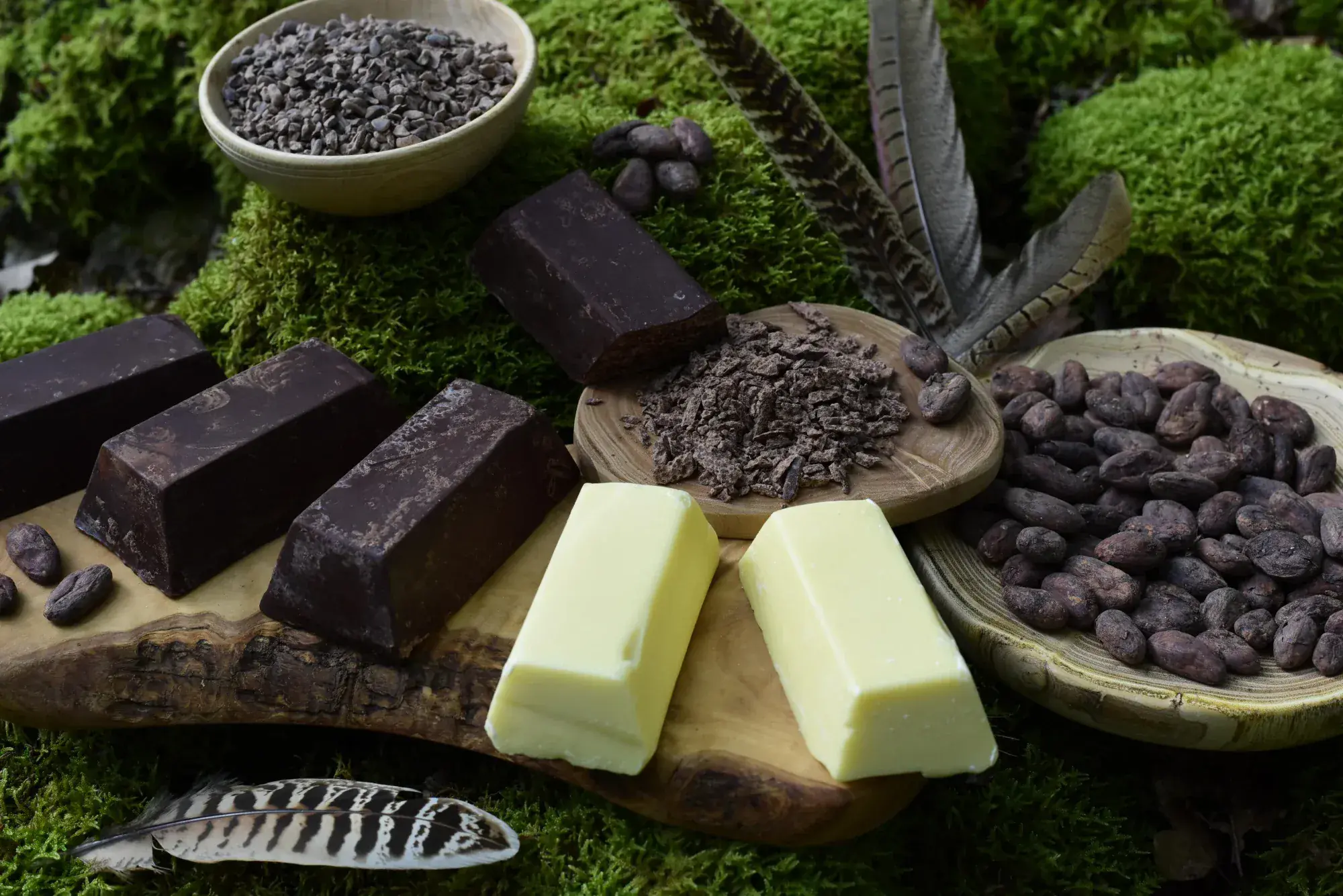
An experience you live, an encounter you make. Master Plant Teacher of sensitivity, sensuality and joy, it opens the heart and guides us toward intimacy with ourselves and others. Kept raw, it pairs with Rose, Blue Lotus, Yauhtli. And its precious oil: one drop on the wrist, on the heart.

Meet Cacao →
If you are looking for something else…

Three thresholds, one reclaiming of connection.

⊹ READ IN THE FOREST ⊹

Essays around ritual

Traditions, lineages, narratives — the Forest extends what the pages begin.
Master plants
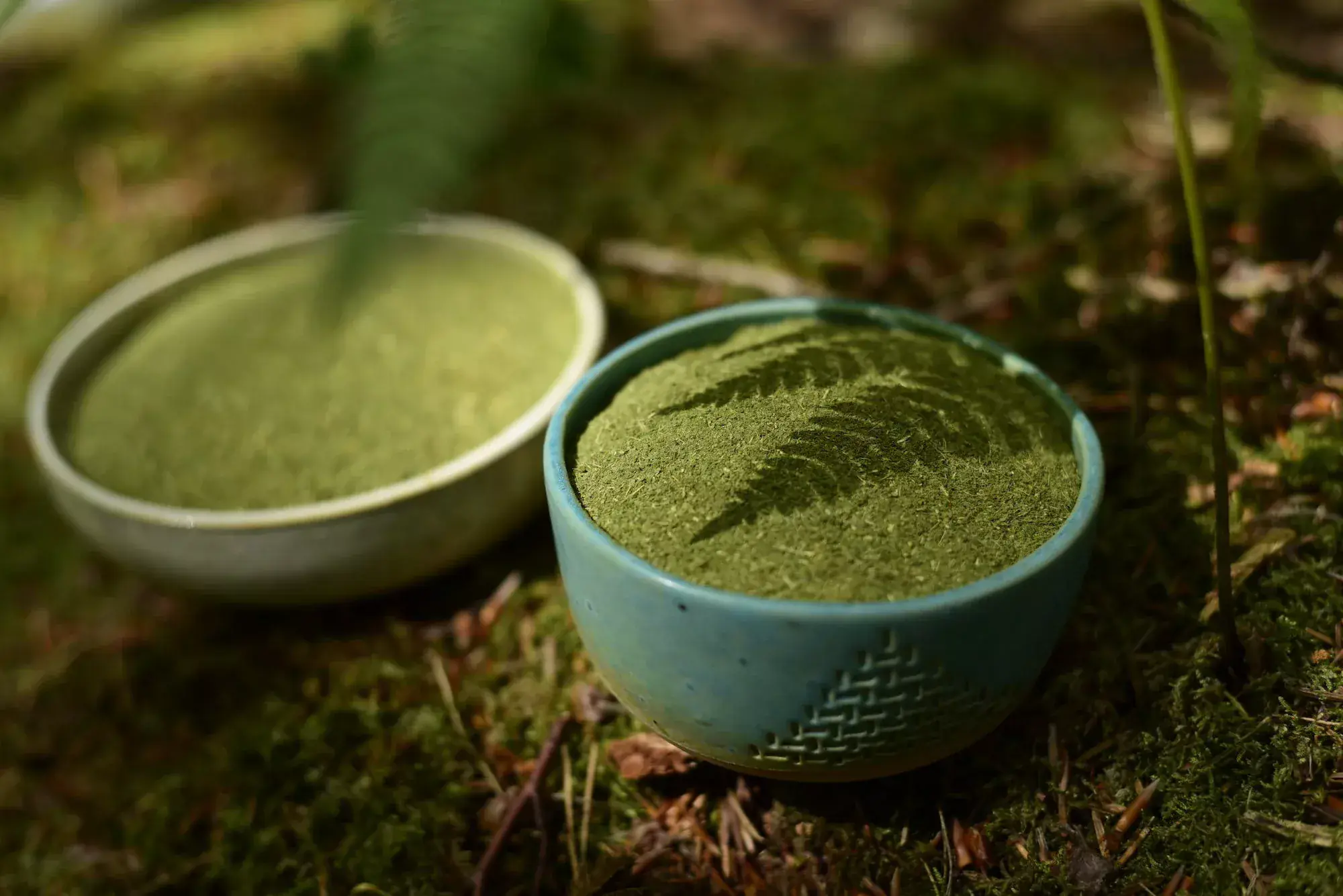
The 12 Amazonian Master Plants — Shipibo Cosmology Explained
Bobinsana, Chuchuhuasi, Ajo Sacha, Cat's Claw, Mucuna, Mulungu, Ayahuma, Noya Rao, Chiric Sanango, Toé, Renaco, Lupuna. The master plants of the Shipibo diéta.
25 minRead →
Shamanism
30 Years of Evidence That Plants Think
For thirty years, quietly, biologists around the world have gathered experimental data that force the conclusion: plants learn, anticipate, communicate, choose. Gagliano in Perth, Mancuso in Florence, Trewavas in Edinburgh, Wohlleben in the Eifel — four laboratories, a single epistemological mutation. And one book that holds them together: Buhner.
13 minRead →
Sacred masculine
Adaptogenesis — the hidden Soviet science (Brekhman, Lazarev)
In 1947, a Soviet pharmacologist named Nikolai Lazarev coined the word adaptogen to describe a category of plants that heal nothing in particular — and shift everything. Twenty years of research on cosmonauts, soldiers, Arctic workers. Brekhman, Rhodiola, Eleutherococcus, Schisandra. An entire science, hidden behind the Iron Curtain, rediscovered by the wellness West without its context. This pillar holds a memory.
32 minRead →
Sacred masculine
Adaptogenic Blend — the inner fire that is built
Six organic roots. Three continents. Not a magic potion, a terrain that is built. Ashwagandha (India), Shatavari (India), Mucuna pruriens (India), Maca (Peru), Chaga (Siberia), Lucuma (Peru) — the systemic architecture of morning resilience, read through David Winston, Donald Yance, Alexander Panossian, Christopher Hobbs. An alternative to coffee, yes — but above all an alternative to the spike-and-crash logic itself.
2 minRead →
Ancient civilizations
The animist manifesto — the plant as a person
Animism is not a religion — it is a grammar. Eduardo Kohn, Robin Wall Kimmerer, David Abram, Bayo Akomolafe, Anna Tsing: seven INFUSE editorial rules for keeping the plant a subject within the sentence.
23 minRead →
Sacred masculine
Ashwagandha, the strength of the horse
In Sanskrit : ashva (horse) + gandha (smell). The root carries the scent of horse — and the strength it transmits. A major Rasayana of Ayurveda for 5,000 years. Not as a stimulant : as a restorer of foundations. She asks 21 days to speak, 3 months to rebuild.
8 minRead →
All RITUAL essays →