⊹ To weave around
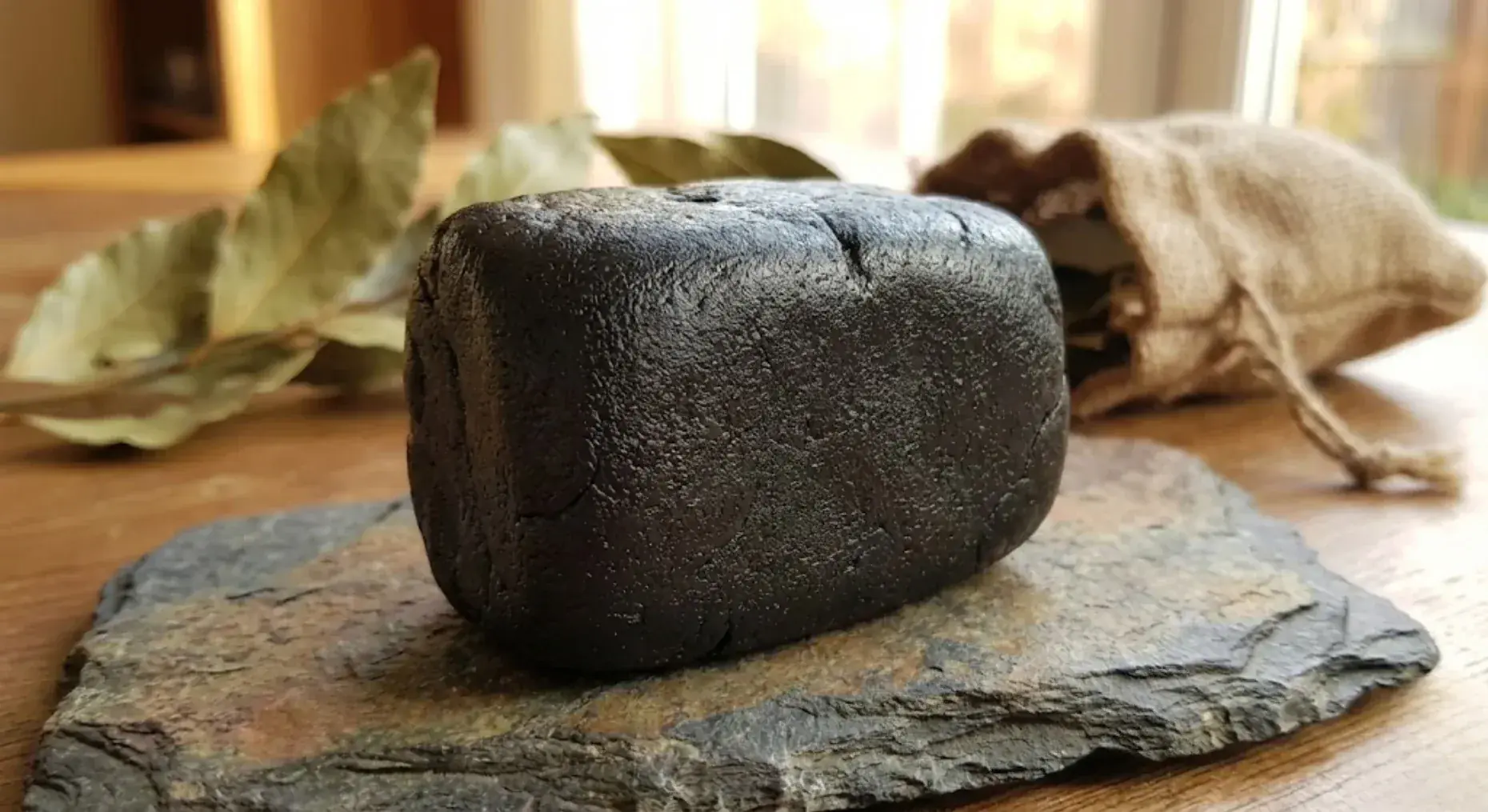
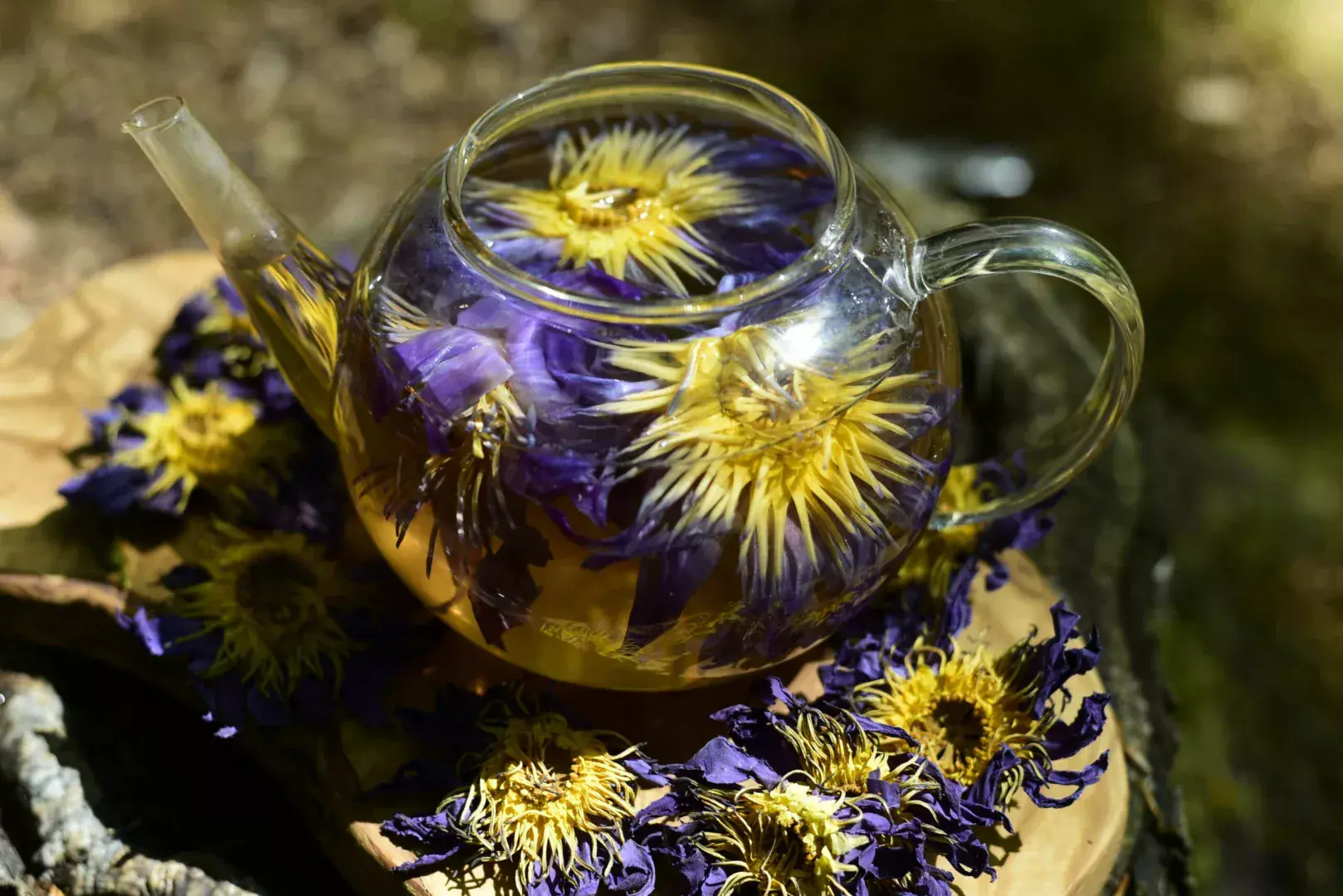
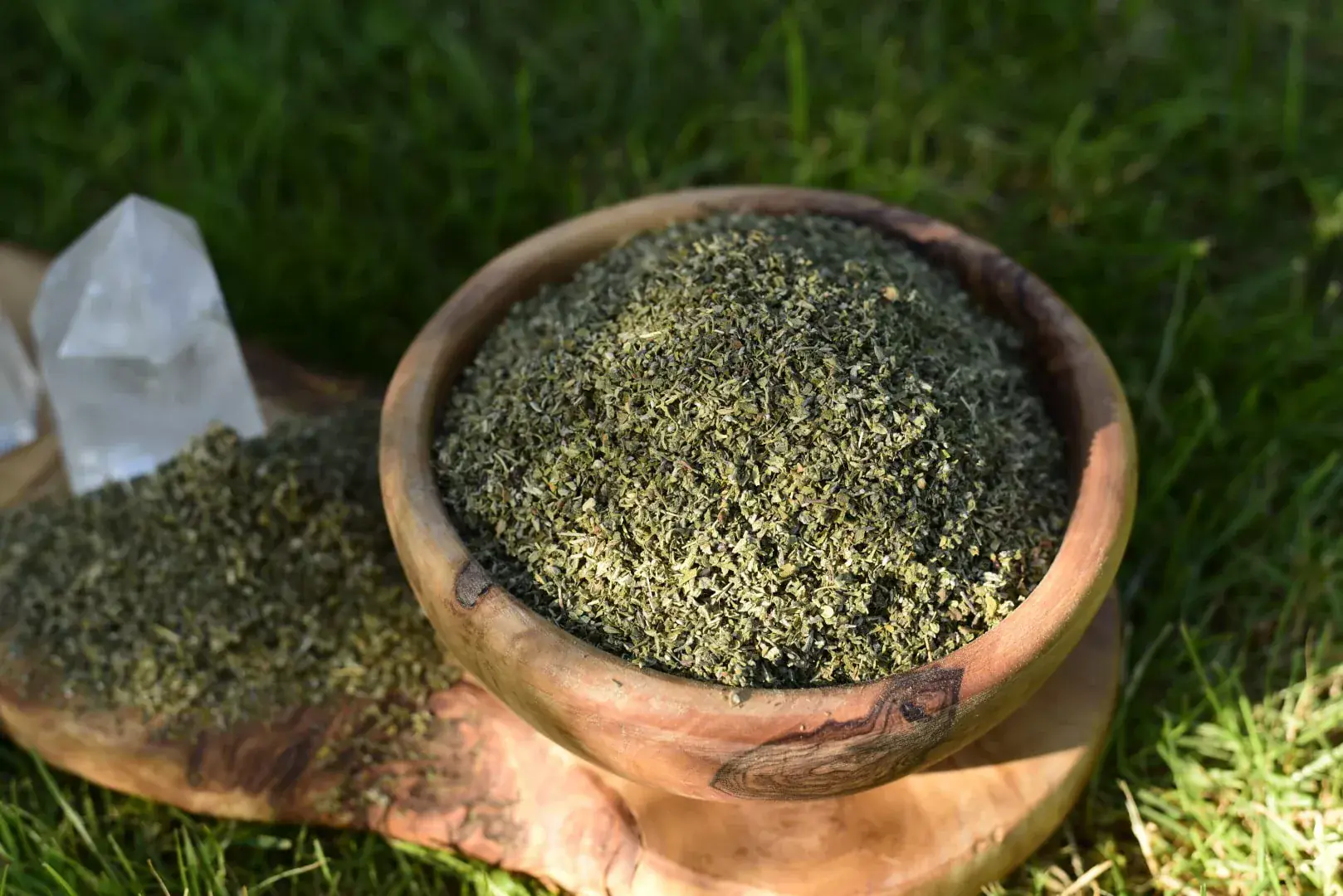
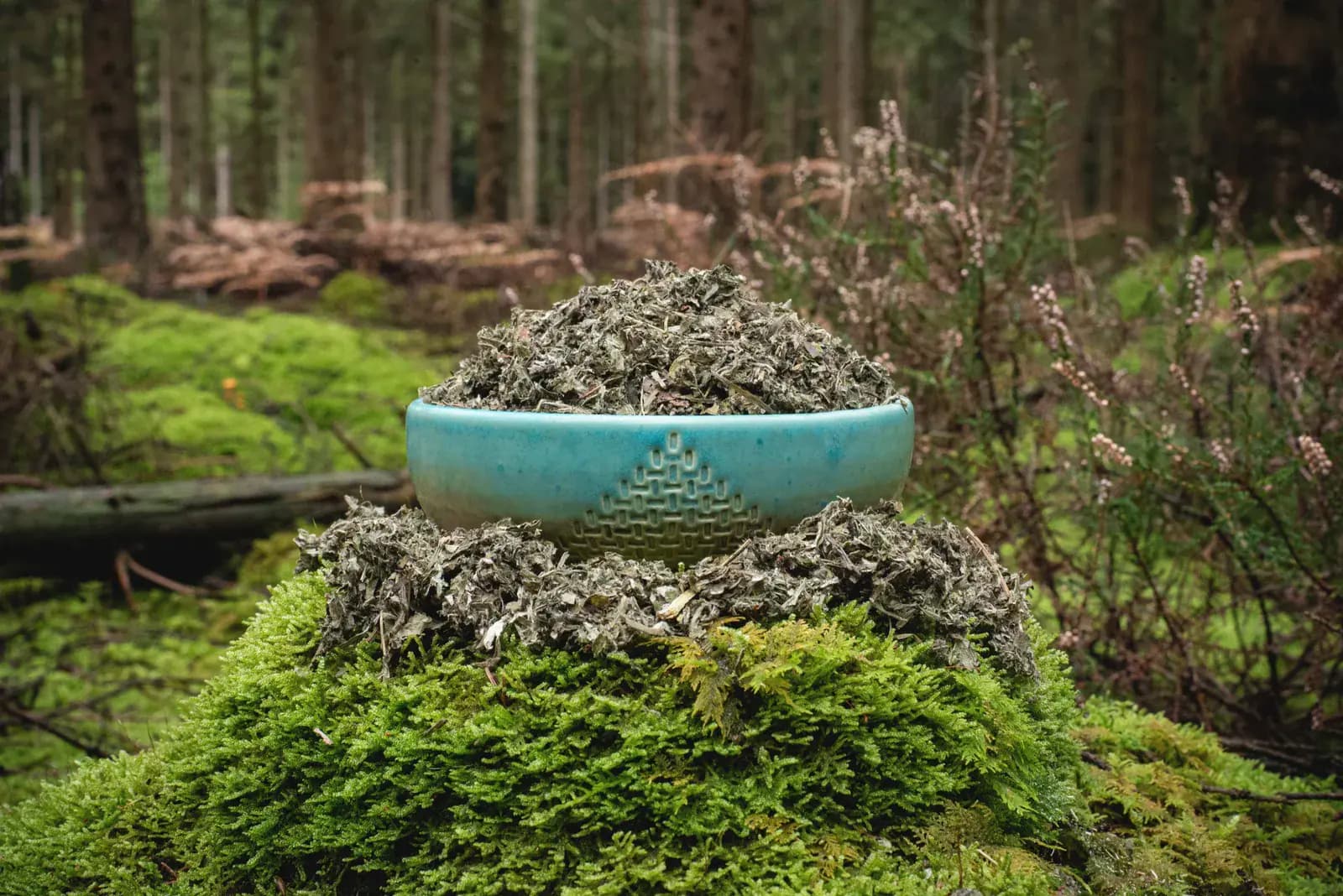
To accompany Baybean Resin Paste Extract
Click a card to see why it pairs — and choose your form.
⊹ Community voices
What the community murmurs.
5/51 reviews, including 1 left on our Etsy shop
Great quality service bay been really nice thank you
Anonymous
Read Baybean Resin Paste Extract through your world
Tap a world and the whole page rewrites itself for it.
The page reads from the daylight side: the ordinary morning, the cup, nature that wants to help us.
✦ Baybean Resin Paste Extract · in one breath ✦
It softens the end of the day, earthy and grounding.
Signature INFUSEIntensity · scored out of 10
| evening companion | 10/10 | |
|---|---|---|
| evening release | 9/10 | |
| plant of passage | 10/10 | |
| coastal pioneer | 9/10 | |
| catalyst | 8/10 |
Register Mazatec tombs, frijolillo of Veracruz, pataning dagat, Cook's journal 1768-1771 · pre-Hispanic Mazatec · still-living Gulf coast · pantropical dunes
⊹ The path of the plant
⊹ FREQUENT QUESTIONS ⊹
We answer.
What is baybean, the beach bean?
Baybean (Canavalia rosea, synonym Canavalia maritima) is a creeping legume of tropical beaches worldwide, called the pioneer of the dunes. On the Gulf of Mexico coast, her leaves and resin are traditionally taken in the evening to release the jaw, slow the mind and soften the close of the day. INFUSE offers her as a concentrated resin paste to dissolve in a warm drink.
Is beach bean traditionally smoked?
Yes. On the Gulf of Mexico coast — Veracruz, Tabasco — her leaves have been smoked in the evening for generations; Christian Rätsch documents this use in his Encyclopedia of Psychoactive Plants. The effect described by users is kind: muscular relaxation, light euphoria, moderate sedation. The mechanism is still debated in pharmacology. INFUSE offers her as a resin paste, to dissolve in a warm drink. Reserved for adults (18+).
How do I prepare beach bean resin paste?
From the size of a grain of rice to that of a chickpea, under the tongue (stronger) or dissolved in a warm drink around 50-60°C — herbal tea, evening plant infusion, light cacao, or flavoured water. Start low: the resin is concentrated. Drink slowly, as you would drink sunset on a shore.
When should I drink beach bean?
At the end of the day, about 30 to 60 minutes before bedtime, in the window when the jaw begins to unclench by itself. She is an evening plant, of the threshold between the day's agitation and the night that creeps in. The Gulf coast tradition makes her a quiet companion of the porch and the coming sleep.
What effects can I expect from beach bean?
Gentle muscular relaxation, a slowing of the mind, softening of the day's edges, a meditative quality slowly descending, subtle support for sleep quality and sometimes dream recall. Effect described as kind and gradual, without peak or abrupt descent. Often more noticeable in blend with other evening plants than solo.
Does beach bean have a documented ritual use?
Yes — archaeology has found Canavalia maritima leaves in Mazatec tombs of Oaxaca, of Yucatán and of the Peruvian coast, dating from 300 BCE to 900 CE — more than a millennium of funerary presence. The exact ritual content was lost with the colonial rupture, but the coherence of the context (plant of threshold, tombs, more than a thousand years) suggests a ceremonial use linked to passage. A painting on a Moche vase may also represent her fruits (Rätsch p.143).
All questions
Where does INFUSE's beach bean come from?
From Mexico, processed into concentrated resin paste. We do the quality control ourselves: observation, trials, how it feels, tasting.
What precautions apply to beach bean?
Avoid during pregnancy and breastfeeding as a principle. People sensitive to evening plants: approach with care. Do not combine with alcohol, sedatives, anxiolytics. The Canavalia genus contains bioactive compounds including lectins (mainly documented in raw seeds, not in the resin) — sourcing and moderation matter. The raw seeds themselves contain canavanine and are never consumed without cooking. DYOR and adjust if you take medical treatment.
⊹ Chapter · Questions ⊹
Ask, answer, share.
One question, one answer — sometimes several voices. The community answers first; INFUSE steps in when it should.
Nobody has opened a thread yet about this plant. You can be the one — a real question, a use, a doubt, a detail.
In depthbotany · phytochemistry · historyRead
Botany
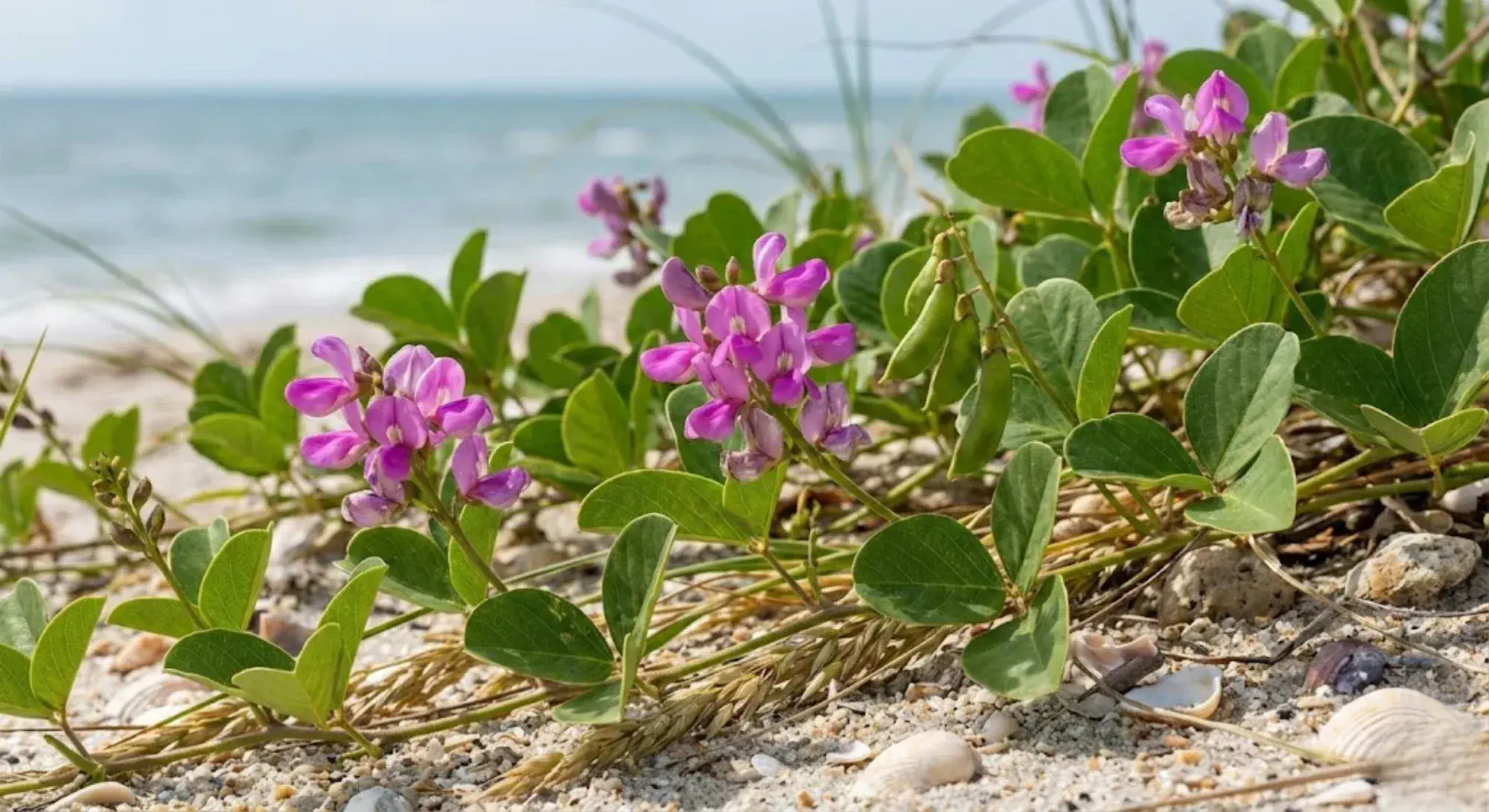
Canavalia rosea (Sw.) DC., synonym Canavalia maritima (Aubl.) Thouars. A creeping legume (Fabaceae, subfamily Faboideae). The creeping stem reaches 10 metres, with trifoliate leaves and pink-violet flowers gathered in loose clusters above the sand. The pods are flattened and hold hard brown seeds that resist salt water. Pantropical range: West Africa, the Caribbean, the tropical Americas, the Pacific, Southeast Asia, coastal Australia.
It is a true beach pioneer. Its stems trap the sand, its deep roots anchor it, and its tolerance of salt, wind and drought lets it settle where few plants hold on. Ecologically, Canavalia rosea plays a key role in stabilising coastal dunes: without it (and a few other pioneers), many tropical beaches would erode faster, a function all the more precious as seas rise. Its flowers feed coastal bees and butterflies; its hard seeds travel on ocean currents, sometimes for months, and germinate on new shores. That is how its own biology made it pantropical.
Not to be confused with Canavalia ensiformis (jack bean) or Canavalia gladiata (sword bean), species grown for food, with a distinct chemical profile.
Descriptive phytochemistry
The review Unveiling the therapeutic potential of Canavalia rosea leaves (PMC, 2024) identifies three main families of compounds in the leaf:
- L-betonicine: an alkaloid, the presumed main candidate for the light sedative and dream effect. A curious ethnobotanical coincidence: the same alkaloid is present in European betony (Stachys betonica), a medieval plant with converging uses (gentle sedative, mild anxiolytic, sleep support). Two plants from opposite continents share a converging pharmacology: betony in the herbals of medieval Europe, baybean in Mazatec tombs.
- Canavanine: a non-protein amino acid. Slightly toxic when raw; it breaks down in cooking. That is why the seeds are never eaten raw in any tradition.
- A range of flavonoids, saponins, sterols and terpenoids.
What the studies report
Experimental pharmacology (PMC 2024, tropical and Asian sources) reports the following activities for the leaf and extract: broad-spectrum antimicrobial, antiviral, anti-inflammatory (LOX/COX inhibition), antioxidant, anticancer in cell lines (apoptosis), gastroprotective, antirheumatic, antipyretic, haemostatic (isolated L-betonicine is styptic). These results are in vitro or in animals, with no human clinical trials to our knowledge.
The psychoactive mechanism has not yet been clearly worked out. L-betonicine is the plausible candidate: it produces a documented light sedative effect in European betony, a medieval European plant with converging uses. The effects users describe are gentle, sometimes imperceptible alone, often better in a blend, which fits the traditional practice of the Gulf coast (almost always combined with Damiana, Lotus, Mullein, sometimes Mugwort).
Important pharmacokinetic note: the simple decoction (plain leaf tea) is generally reported as ineffective for the psychoactive effect. Tradition uses either inhalation (smoke) or the concentrated resin. INFUSE's resin paste belongs to this second path: the concentrated resin lets very small amounts, dissolved in a warm drink, carry the plant's profile.
Long lineage
Archaeology remains the strongest trace. Canavalia maritima leaves in Mazatec tombs of Oaxaca, the Yucatán and the Peruvian coast, dating from 300 BCE to 900 CE: more than a millennium of systematic funerary presence. A Moche vase painting may show its fruits; Rätsch suggests the species probably had a ritual or magical significance in ancient Peru (Encyclopedia of Psychoactive Plants, p.143). The exact ceremonial content was lost with the colonial rupture, but the coherence of the context (tomb, threshold plant, travelling seed) can still be read.
The Gulf of Mexico coast keeps the tradition alive: an evening practice, popular, without formal ceremonial framing but with a cultural continuity of several generations. Rural communities love it for its gentleness. Rätsch and Müller-Ebeling also note a mild aphrodisiac use in some tropical traditions (Encyclopedia of Aphrodisiacs, p.107-108).
Filipinos call the plant pataning dagat, "sea bean". The descriptive names of useful plants (such as Ajo Sacha in Quechua-Spanish, "forest garlic") often say something about the relationship: practical, functional, without mystification. Aboriginal communities of the Australian coasts, Polynesians and Micronesians all share converging uses (bedding, poultice, boiled seeds for subsistence). Cook's crew (HMS Endeavour, 1768-1771) ate it at tropical ports of call.
Nuggets
The travelling seed. Like Entada rheedii, Canavalia rosea has a salt-water-resistant seed that can float for weeks or months. That is how the plant became pantropical: its seeds crossed every tropical ocean and germinated on every warm shore. A plant migrant by its very nature: the word threshold lives in its biology before humans ever take an interest.
L-betonicine and betony. A curious chemical coincidence: Baybean's presumed main alkaloid is also present in European betony (Stachys betonica), a plant of the medieval herbals. Two plants from opposite continents, two related uses (gentle sedation, sleep support), one molecule. The ritual practices converge: betony among the witches of medieval Europe, baybean in Mazatec tombs.
The modern forgetting. Baybean today is almost entirely forgotten outside the Gulf coast and a few tropical communities. Its botanical ordinariness (very common on the warm beaches of the world) hides its deep history. An anonymous everyday plant, it still accompanied the passage of the pre-Columbian dead for more than 1,200 years. The sacred in the everyday is always waiting to be rediscovered.
Safety
A very safe plant in its moderate traditional use; no acute toxicity documented at ordinary doses. The main precautions:
- Raw seeds are never eaten (canavanine, slightly toxic when raw); cooking neutralises the canavanine.
- The lectins of the genus Canavalia are mostly documented in the seeds, less in the leaf resin.
- Pregnancy, breastfeeding: avoid on principle.
- Fabaceae allergy: caution (rare).
- Combining with alcohol, sedatives, anxiolytics: avoid.
- Inhalation: can irritate the airways; tradition pairs the plant with mullein to soften the smoke. INFUSE does not sell the smoking form.
- Legal status: unrestricted in most countries.
Read in the ForestThe articles that mention her.Read
⊹ Everyday Alternatives