⊹ To weave around
To accompany Marihuanilla
Click a card to see why it pairs — and choose your form.

The first to talk about it?
Read Marihuanilla through your world
Tap a world and the whole page rewrites itself for it.
The page reads from the ceremony side: the subtle senses, depth, the inner journey.
✦ Marihuanilla · in one breath ✦
A conversation, not a wave.
Traditionally associated with emotional ease and soft inner regulation.
⊹ The path of the plant
⊹ FREQUENT QUESTIONS ⊹
We answer.
What is marihuanilla (Leonurus sibiricus)?
Marihuanilla (Leonurus sibiricus) is a plant of the mint family (Lamiaceae), native to Northeast Asia and naturalised in Mexico. She is traditionally approached in the evening for emotional ease and gentle inner regulation.
Which plant family does Leonurus sibiricus belong to?
To the mints, the Lamiaceae, like sage and lavender. Her most studied compounds are two alkaloids, leonurine and stachydrine. The name marihuanilla comes from the palmate shape of her leaves and from her historical use as a smoking herb in Mexico.
What are the effects of Leonurus sibiricus?
Ethnobotanical sources describe her as more sedative than euphorising. Her temperament is subtle, gradual, grounded — an evening plant traditionally associated with a calmer emotional field and a sense of inner coherence that unfolds over time. Dale Pendell ranks her among soothing smoking plants.
How do I make Leonurus sibiricus tea?
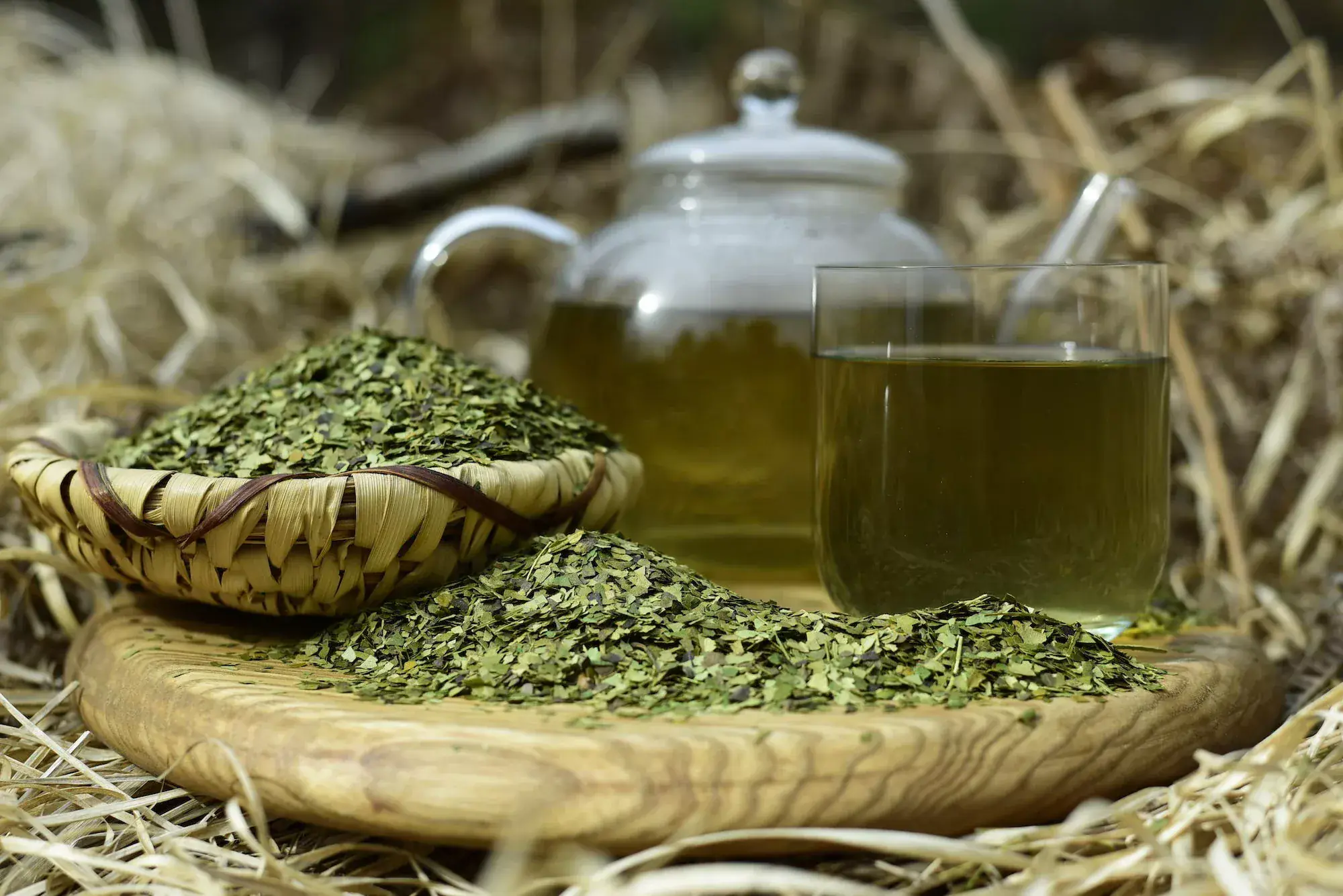
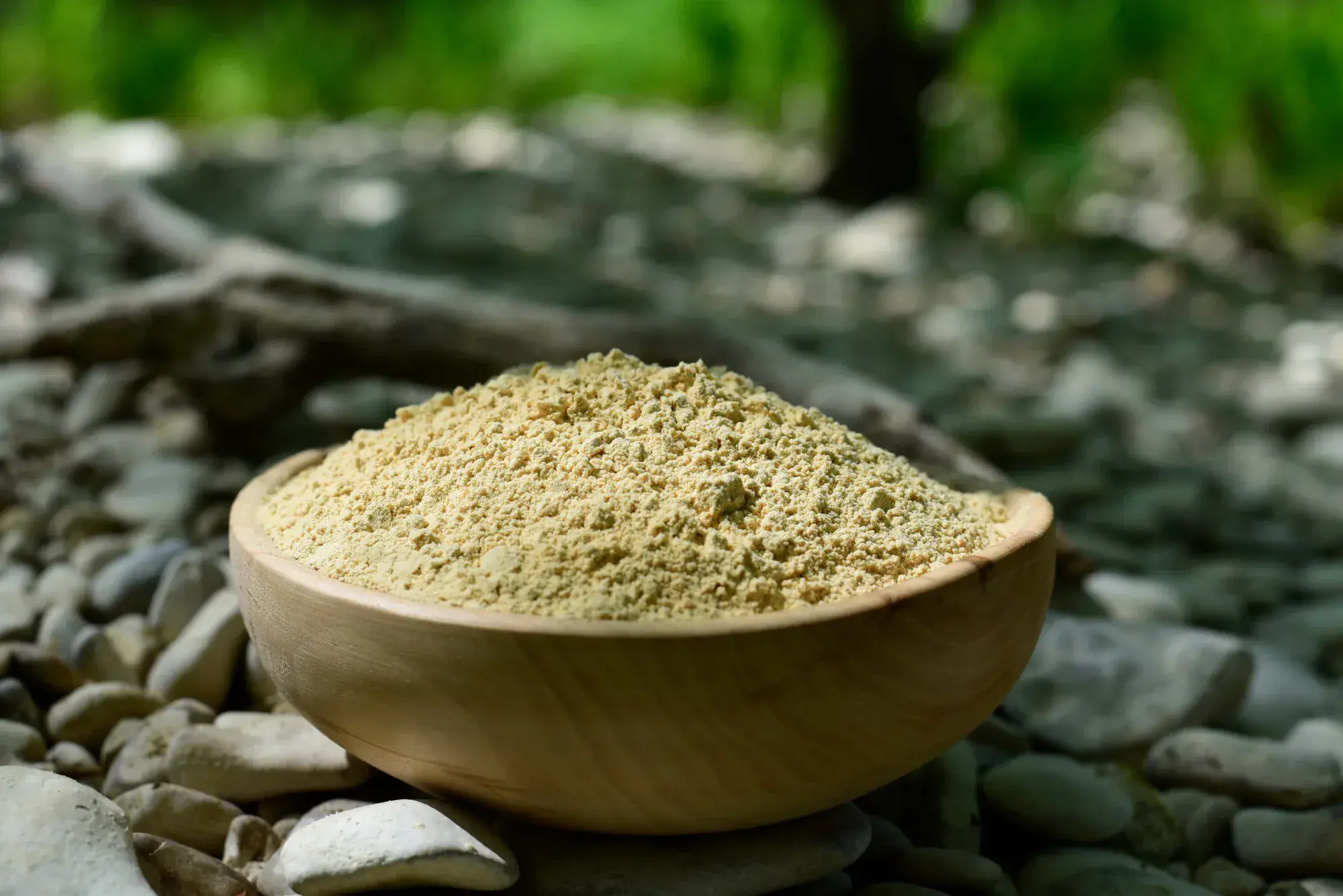
INFUSE offers her as a resin extract: from the size of a grain of rice to that of a chickpea, under the tongue (stronger) or dissolved in 250 ml of a warm drink (~50-60 °C), to drink slowly in the evening. The classic Chinese way used the dried leaf as an infusion — the same evening gesture, with another form of the plant.
Can Leonurus sibiricus be smoked?
Smoking the dried leaves is the historical Mexican way — on their own they give a harsh smoke, which tradition softened in a blend (mullein, damiana). INFUSE offers marihuanilla as a resin extract, meant to be dissolved in a warm drink rather than smoked.
Should Leonurus sibiricus be avoided during pregnancy?
Yes, absolutely. The plant has a uterotonic action that may stimulate contractions — she should never be used during pregnancy. It is precisely this property that made her a postpartum tonic in Chinese medicine, used only after birth and under supervision.
All questions
What is Yi Mu Cao?
Yi Mu Cao (益母草) is the Chinese name of marihuanilla — it means "herb beneficial for the mother". She is one of the oldest documented feminine tonics, mentioned as early as the Book of Odes (Shi Jing, ~1000-500 BCE) then integrated into the classical Chinese pharmacopoeia.
Why is marihuanilla called the migrant plant?
Because a single plant carries three narratives according to the lands that receive her — beneficial mother in China (Yi Mu Cao), smoking herb in Mexico (marihuanilla), garden guardian in Slavic traditions. Same pharmacology, opposite imaginaries.
Which plants pair with marihuanilla?
Damiana for emotional warmth, mullein to soften a smoking blend, mugwort for dream recall, hawthorn for a soft cup at the end of the day, passionflower for evenings that settle. These are evening companionships, soft and gradual.
⊹ Chapter · Questions ⊹
Ask, answer, share.
One question, one answer — sometimes several voices. The community answers first; INFUSE steps in when it should.
Nobody has opened a thread yet about this plant. You can be the one — a real question, a use, a doubt, a detail.
In depthbotany · phytochemistry · historyRead
Botany: a migrant mint
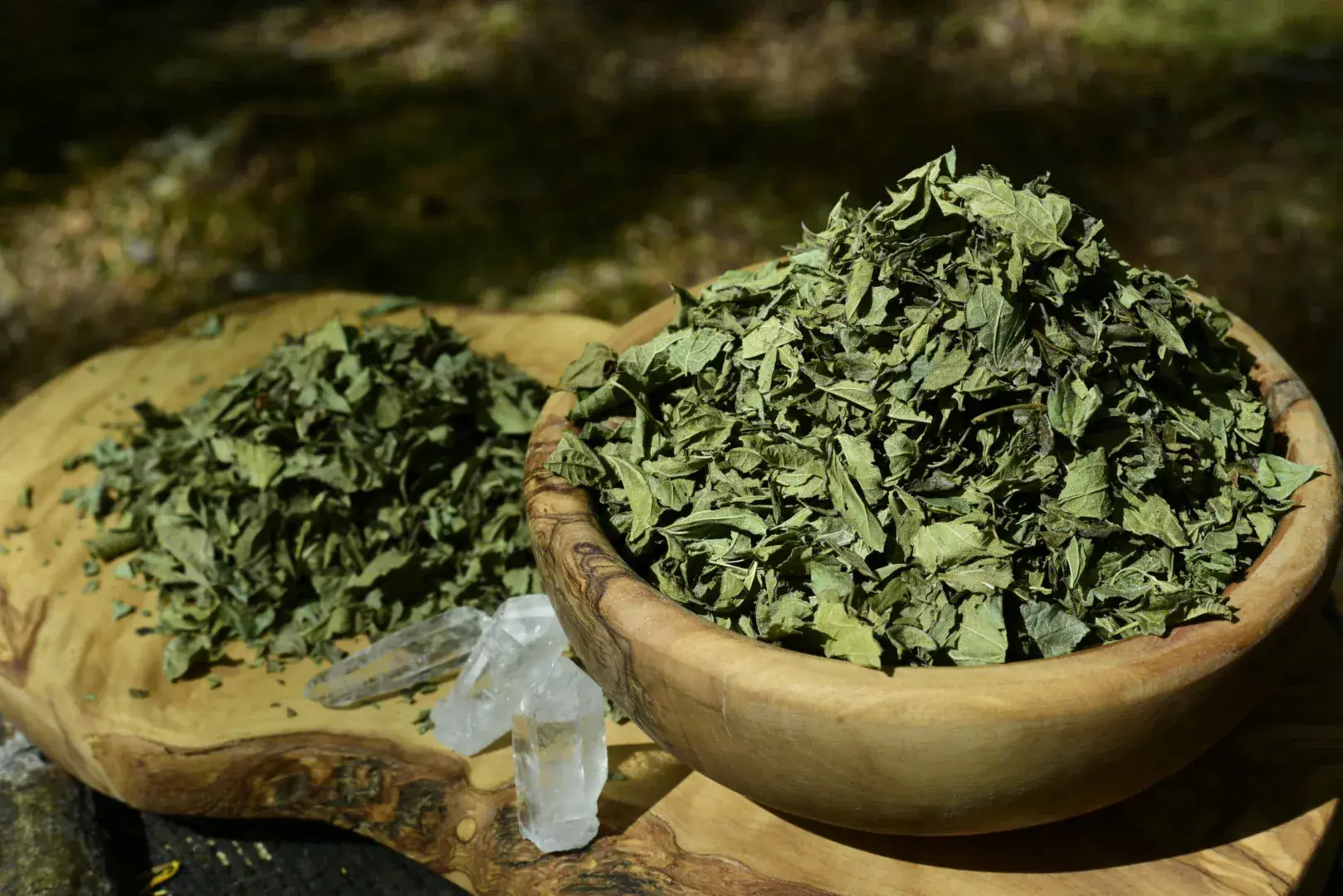
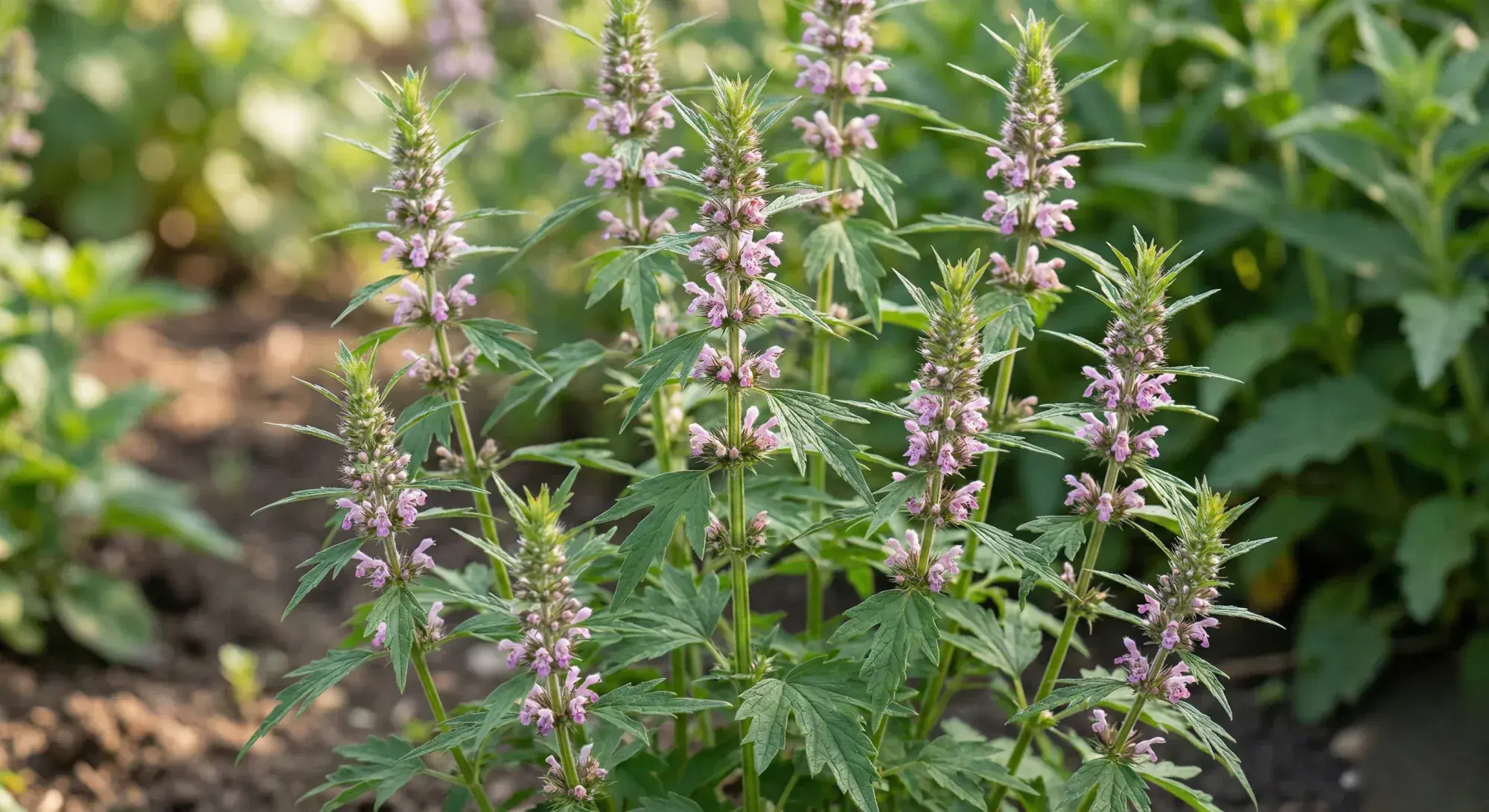
Leonurus sibiricus L. is an upright herb of the Lamiaceae family (the mints), which can exceed two metres in height on a single stem. Its dark green leaves, finely toothed and deeply cut, draw a palmate silhouette: that is where the name marihuanilla comes from. Its violet to rose-purple flowers stack in tight whorls around the stem, in terminal spikes, and bees visit them constantly (Schultes, Hofmann & Rätsch, Plants of the Gods, p. 46-47).
The genus Leonurus invites confusion. The classic European motherwort is Leonurus cardiaca; "marihuanilla" is Leonurus sibiricus: two neighbouring but distinct species, with different chemical profiles, sometimes confused in older literature. And there is a third confusion, more serious: Leonurus (Lamiaceae) has nothing to do with Leonotis (for example Leonotis leonurus, "wild dagga"), another genus of the same family.
Range and naturalisation
The plant ranges from Siberia to East Asia (northern China, Mongolia, Korea, Japan) and has naturalised in Central and South America after arriving along the colonial routes (Schultes, Hofmann & Rätsch, p. 46-47). Today it grows in open ground in Mexico, Brazil and the southern United States, often as a weed of disturbed soil. Its capacity to travel and settle anywhere makes it, literally and symbolically, a migrant plant.
Phytochemistry (descriptive)
The genus Leonurus is rich: review literature lists more than two hundred specialised metabolites. In L. sibiricus, the most studied compounds are two alkaloids, leonurine and stachydrine, along with diterpenoids (leojaponin, leosibirin, preleosibirin), beta-sitosterol, triterpenes, iridoids, flavonoids and phenolic acids. The leonurine content reported in L. sibiricus sits around 0.8 to 4.2 mg/g depending on the batch. Naming these compounds is descriptive and implies no promise of effect.
Dale Pendell, in Pharmako/Poeia (p. 222-223), describes it as "more sedative than euphoriant" and gives it its place in a calming smoking blend.
What the studies report
The plant is the subject of pharmacology studies, mostly around leonurine; we leave those to the pharmacologists and keep to tradition here. The precautions that follow from them, pregnancy first, are gathered below in the Safety section.
Long lineage: one plant, three stories
The Chinese destiny is the oldest documented. Under the name t'uei, the plant already appears in the Shih Ching (the Book of Odes, around 1000-500 BCE), before being taken up in the classical herbals. In Chinese medicine, Yi Mu Cao, "herb beneficial to the mother", becomes one of the great tonics of the feminine: regulating cycles, recovery after childbirth (expelling lochia, contracting the uterus), calming the "agitated heart" (Shen). The name states the role with precision: the herb beneficial to the mother.
The Mexican destiny is modern and rooted in folk tradition. Arriving by galleon and colonial route, possibly via Manila and then New Spain, the plant naturalises and mestizo healers adopt it. The dried leaves, gathered from the flowering plant, are smoked at one to two grams per cigarette, in Central and South America and as far as the Chiapas highlands (Schultes, Hofmann & Rätsch, p. 46-47; Pendell, p. 222-223, citing Díaz 1975-1979 and Emboden 1979 for a parallel use in Malaysia). Here the feminine medicinal side steps back, and the smoking plant takes over.
The Slavic destiny is domestic. In central and eastern Europe, Leonurus was planted in a corner of the vegetable garden as a guardian of the hearth and of the female line: a tradition still alive, handed from grandmother to granddaughter, a talisman plant of the threshold as much as of the garden.
One pharmacology, three worlds of imagination: a textbook example of how a plant changes meaning according to the culture that receives it.
Nuggets
The 300-year-old man. A Chinese legend tells of a sage who went to live in a remote valley full of Yi Mu Cao; he ate it, breathed it, drank it every day, and lived three centuries. The legend says less "this plant is miraculous" than "living surrounded by it means living at a slower rhythm": longevity as a by-product of alignment.
Honeyweed. Bees adore its whorls of flowers; in Brazil, beekeepers deliberately sow Leonurus around their hives for a very fragrant rose-tawny honey.
Discretion as medicine. Marihuanilla is not spectacular. It gives neither visions nor ecstasies. Its virtue is subtle regularity, a gentle presence: what lets you carry on, evening after evening.
Safety
The major contraindication is pregnancy: its uterotonic action means it must never be used during pregnancy; its traditional use is confined to the period after childbirth, under supervision. As a precaution, avoid it while breastfeeding. Because it gently slows the heart and can lower blood pressure, take care with hypotension or bradycardia, and with antihypertensives; its mild antiplatelet effect calls for care with anticoagulants, and its sedative temperament with alcohol or other sedatives. Stop about two weeks before surgery. Lamiaceae allergy: rare but possible. This information is educational and does not replace the advice of a healthcare professional.