Go deeper with each plant
The blend prepares the ground. The extracts deepen it — one by one, to meet each intelligence separately.
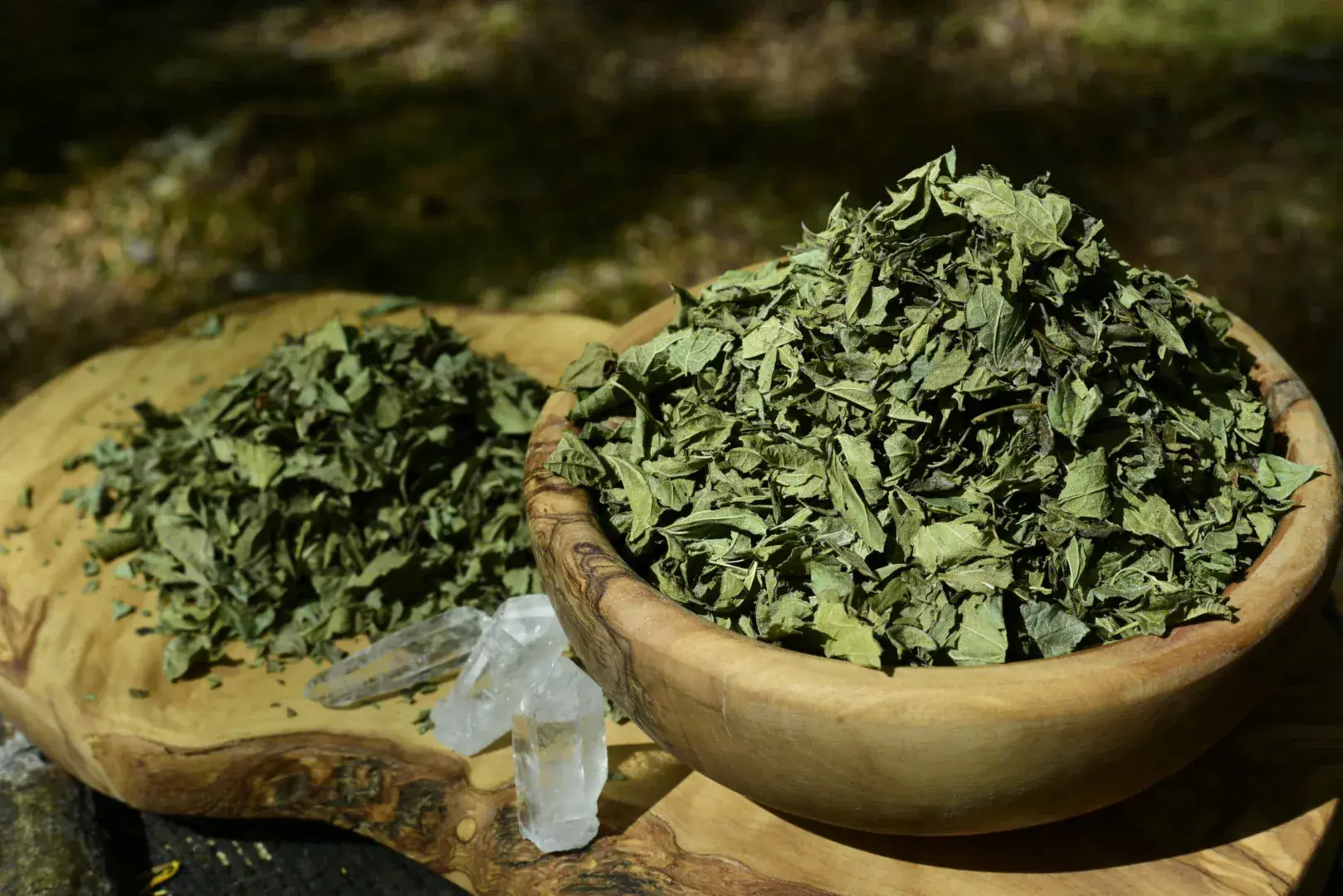
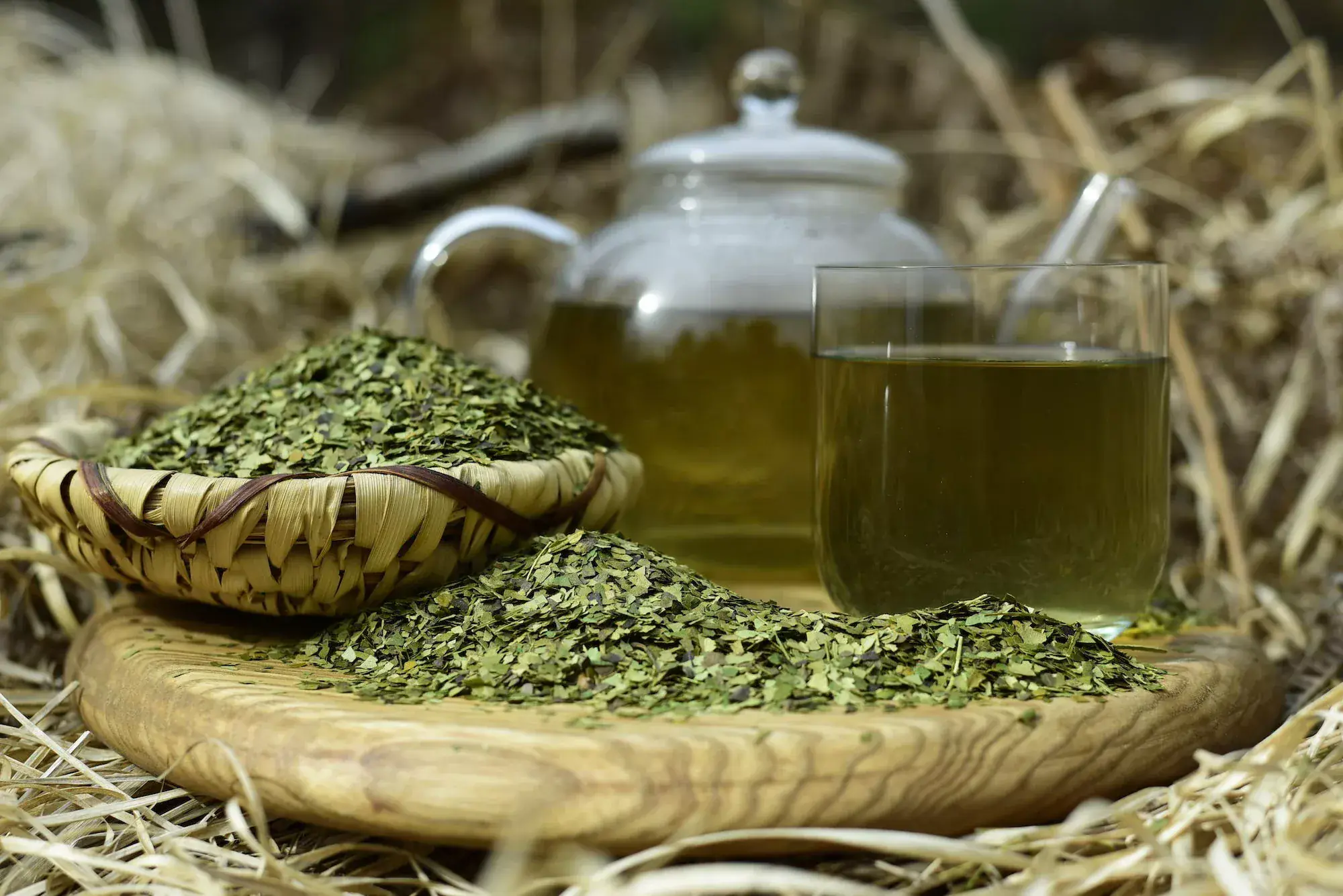
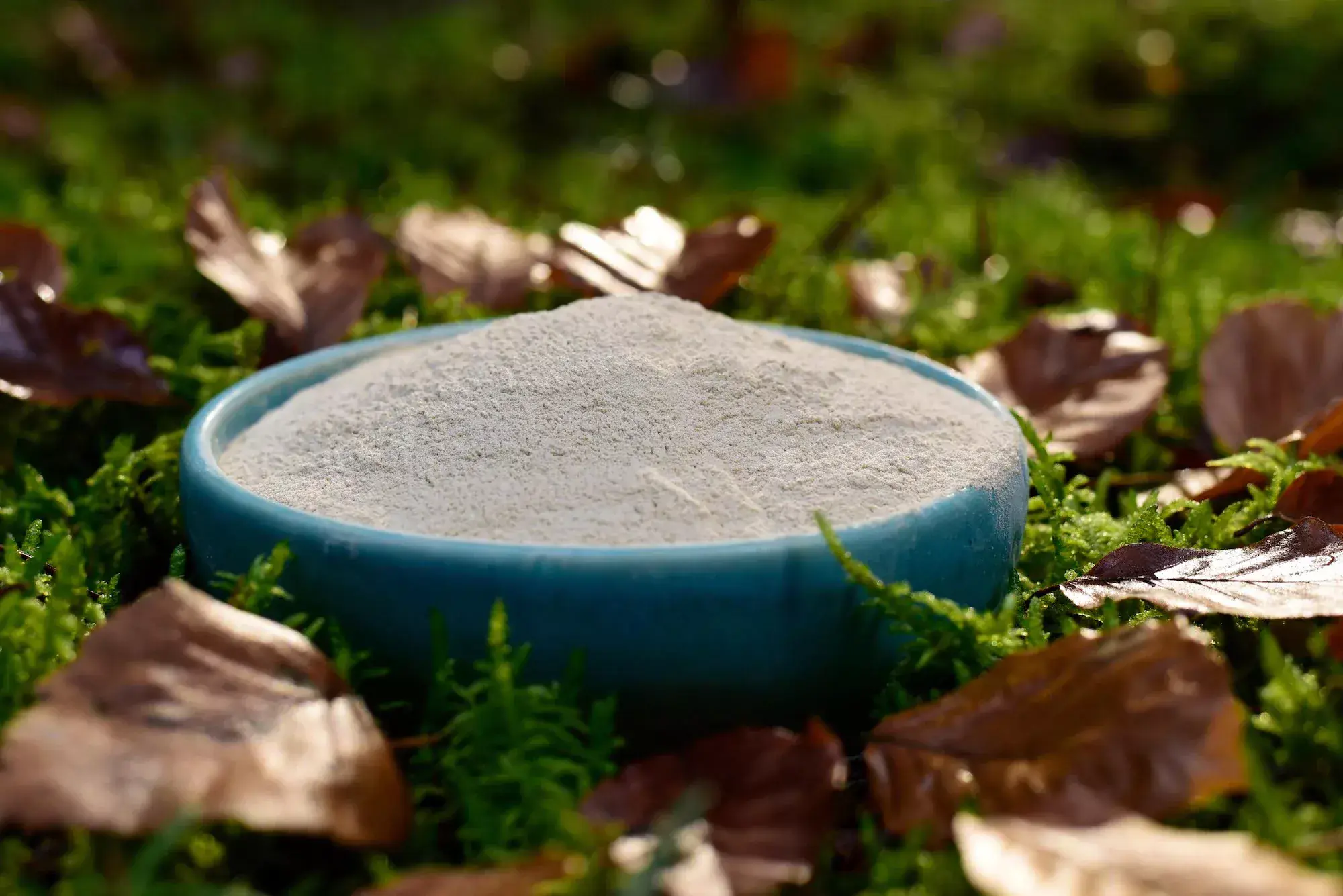
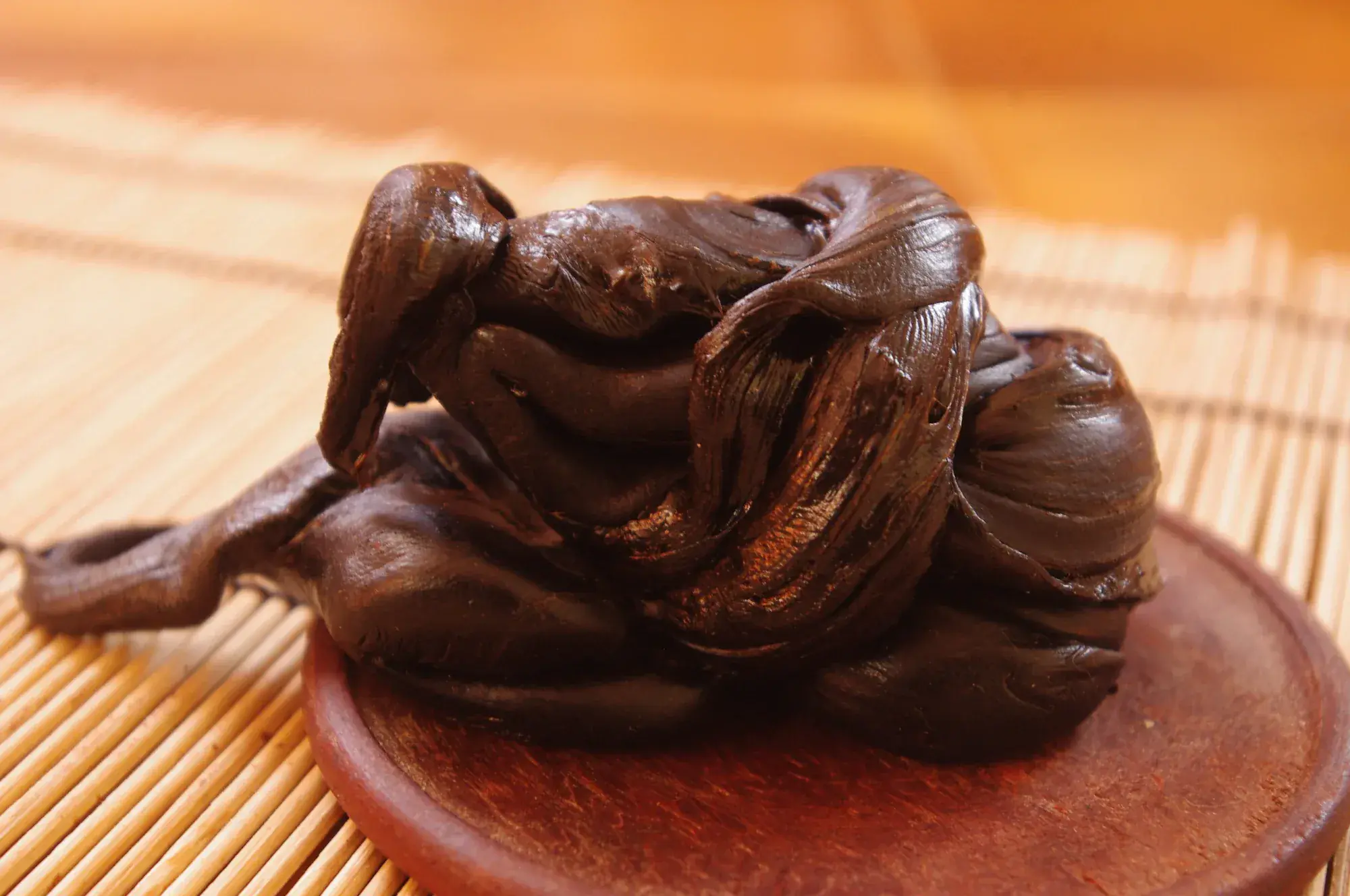
- Reishi MushroomExtract 15:1 · double extraction · from organic farmingLingzhi — Shen calm.€30.00 · 30g
- Lion's ManeExtract 8:1 · from organic farmingYamabushi — the Clear Mind.€33.00 · 45g
- Chaga YagaExtract 8:1 · double extraction · from organic farmingEstonian Chaga — resilience, dormancy, winter.€30.00 · 30g
- CordycepsExtract 6:1Brown gold — breath, will, endurance.€34.50 · 45g
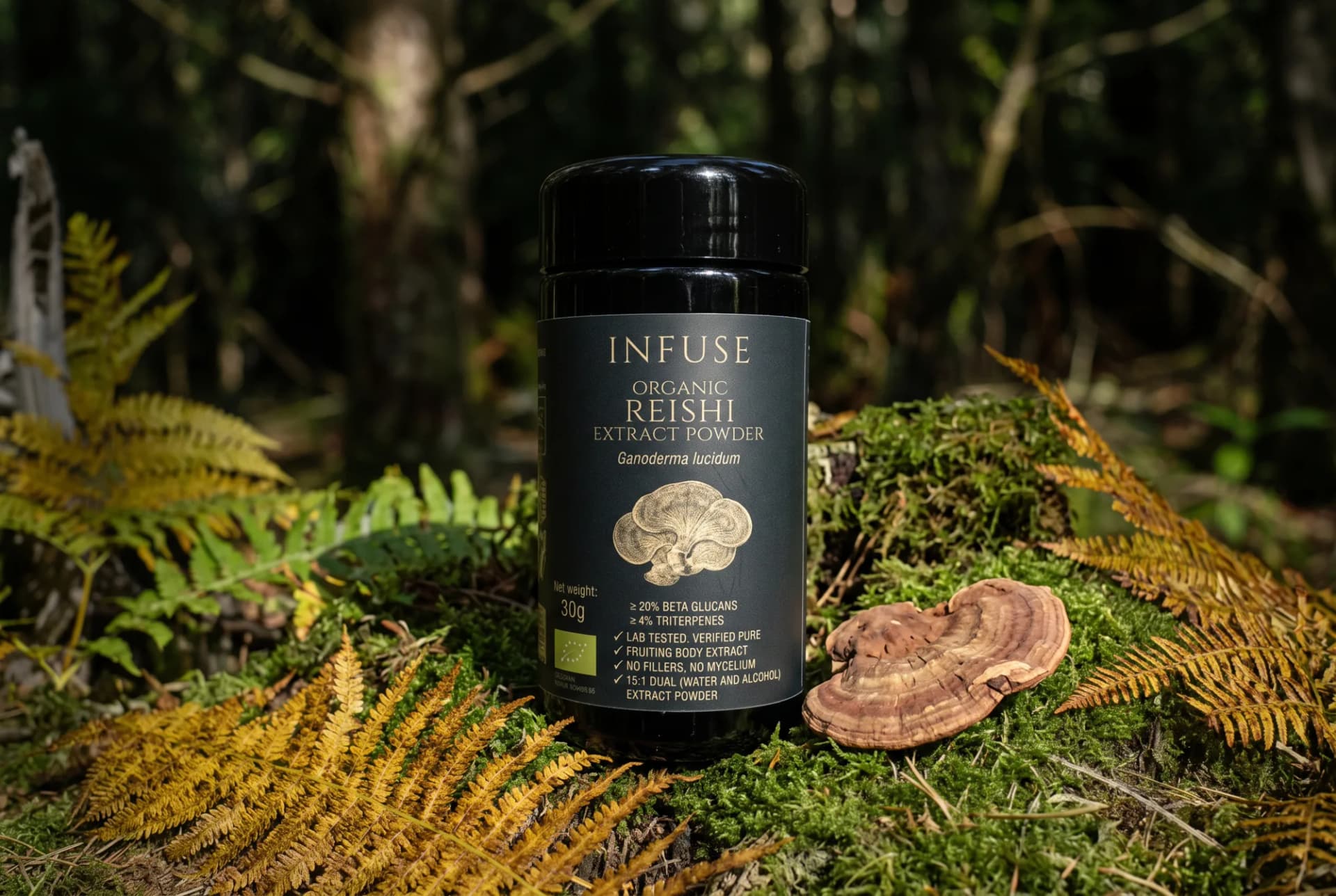
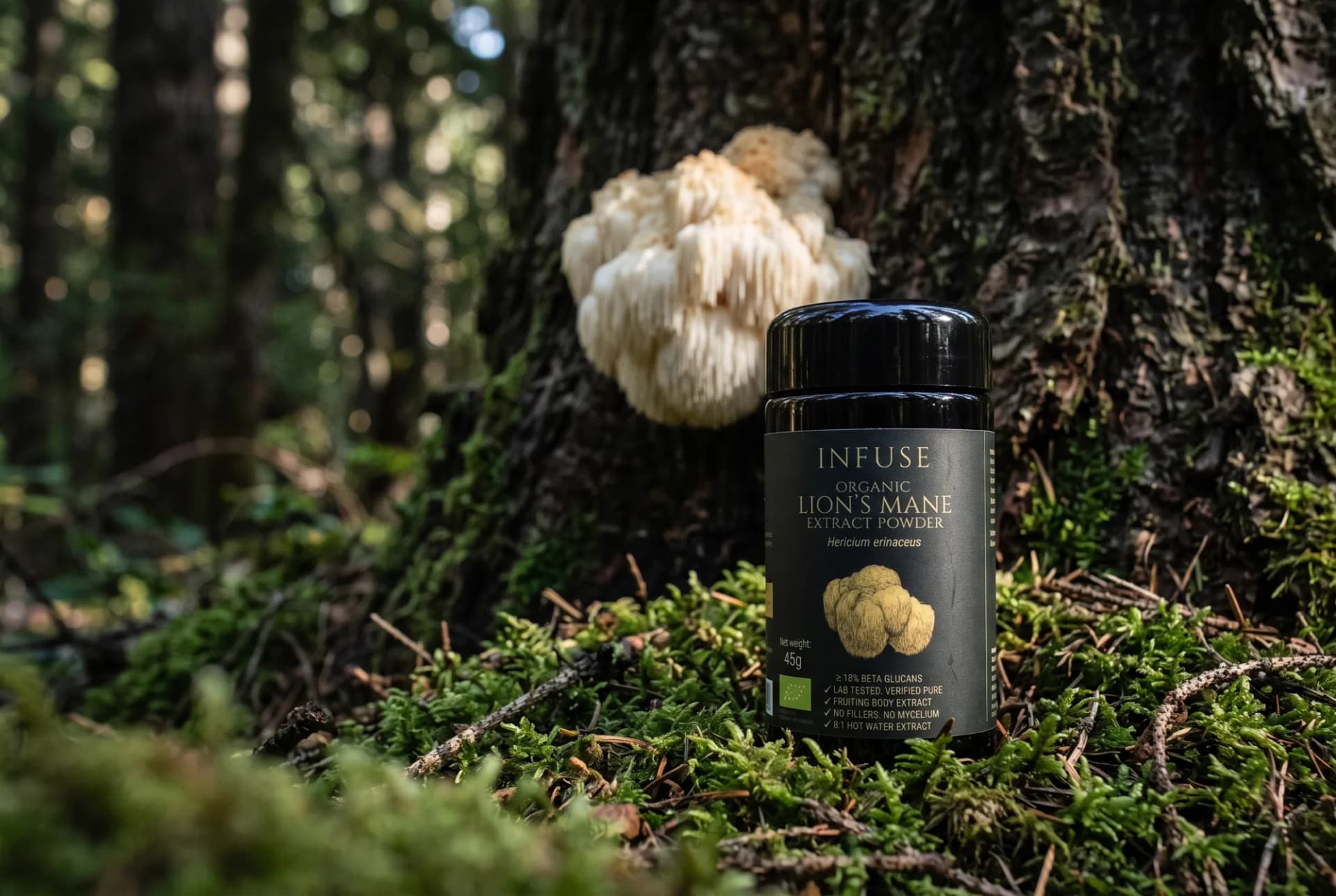
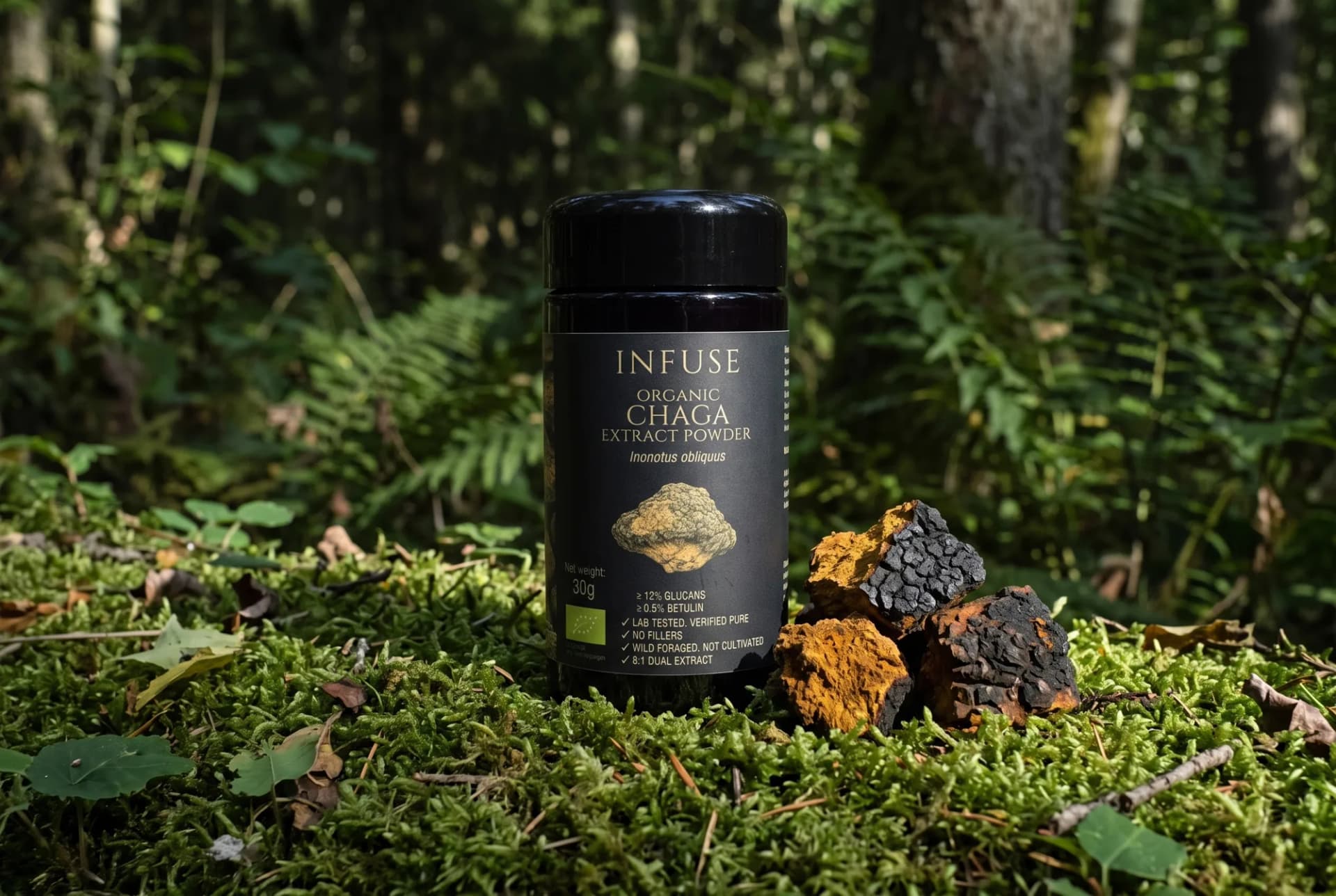
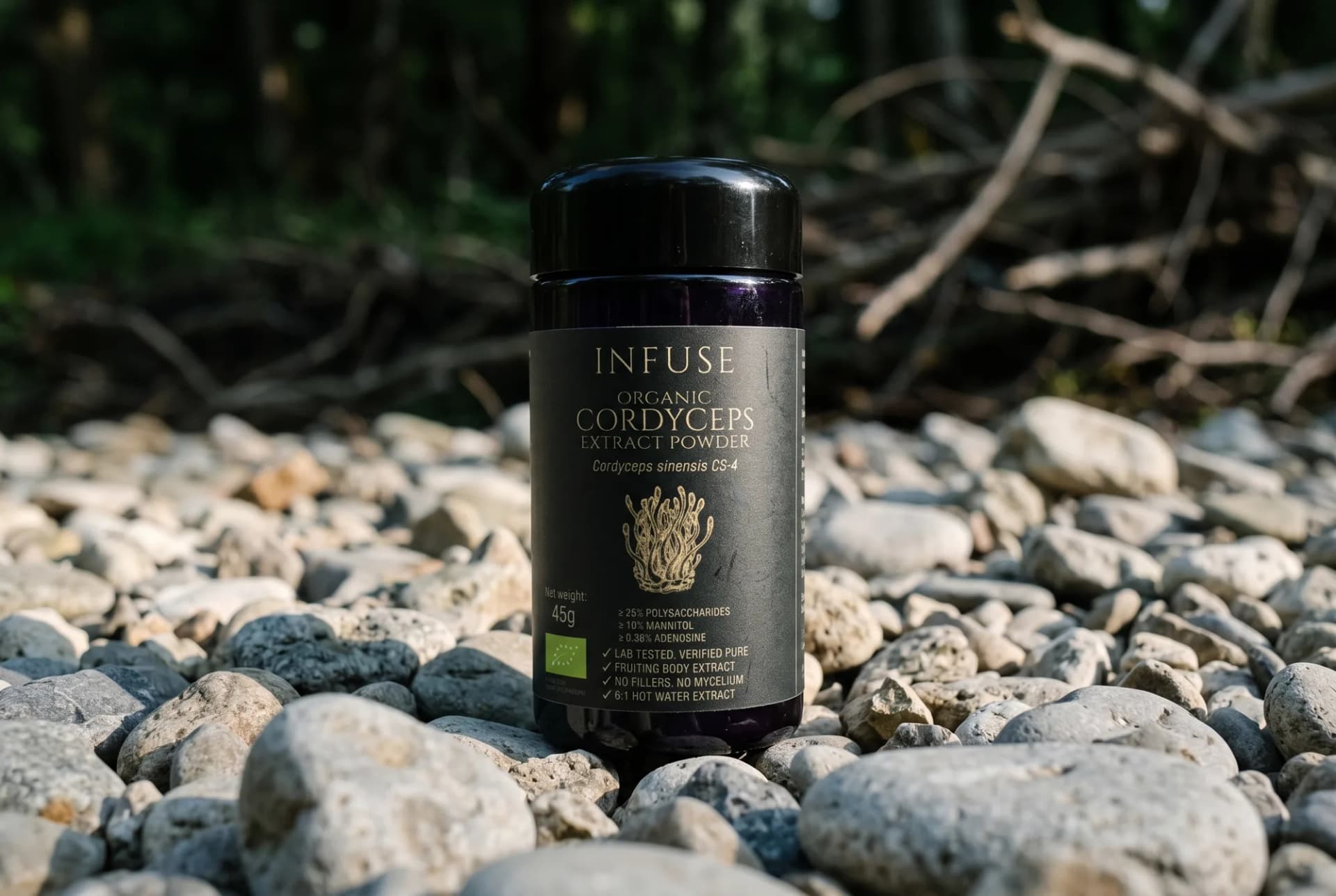
All 4 together : €111.00€127.50 · the price softens
The first to talk about it?
✦ Adaptogenic Blend · in one breath ✦
It kindles the morning fire and anchors the vital essence; the ground holds over time.
Signature INFUSEIntensity · scored out of 10
| terrain that holds | 10/10 | |
|---|---|---|
| coffee alternative | 10/10 | |
| alchemical morning | 9/10 | |
| three lineages | 9/10 | |
| long course | 8/10 |
Register Inner Fire, morning milk, India-Andes-birch forests in a single cup · India's vaidyas · Quechua of the Junín plateau, 4000m · Khanty of the boreal forests · Lucuma of the Moche · Befunginum 1955
⊹ The path of the plant
⊹ FREQUENT QUESTIONS ⊹
We answer.
What is an adaptogen drink?
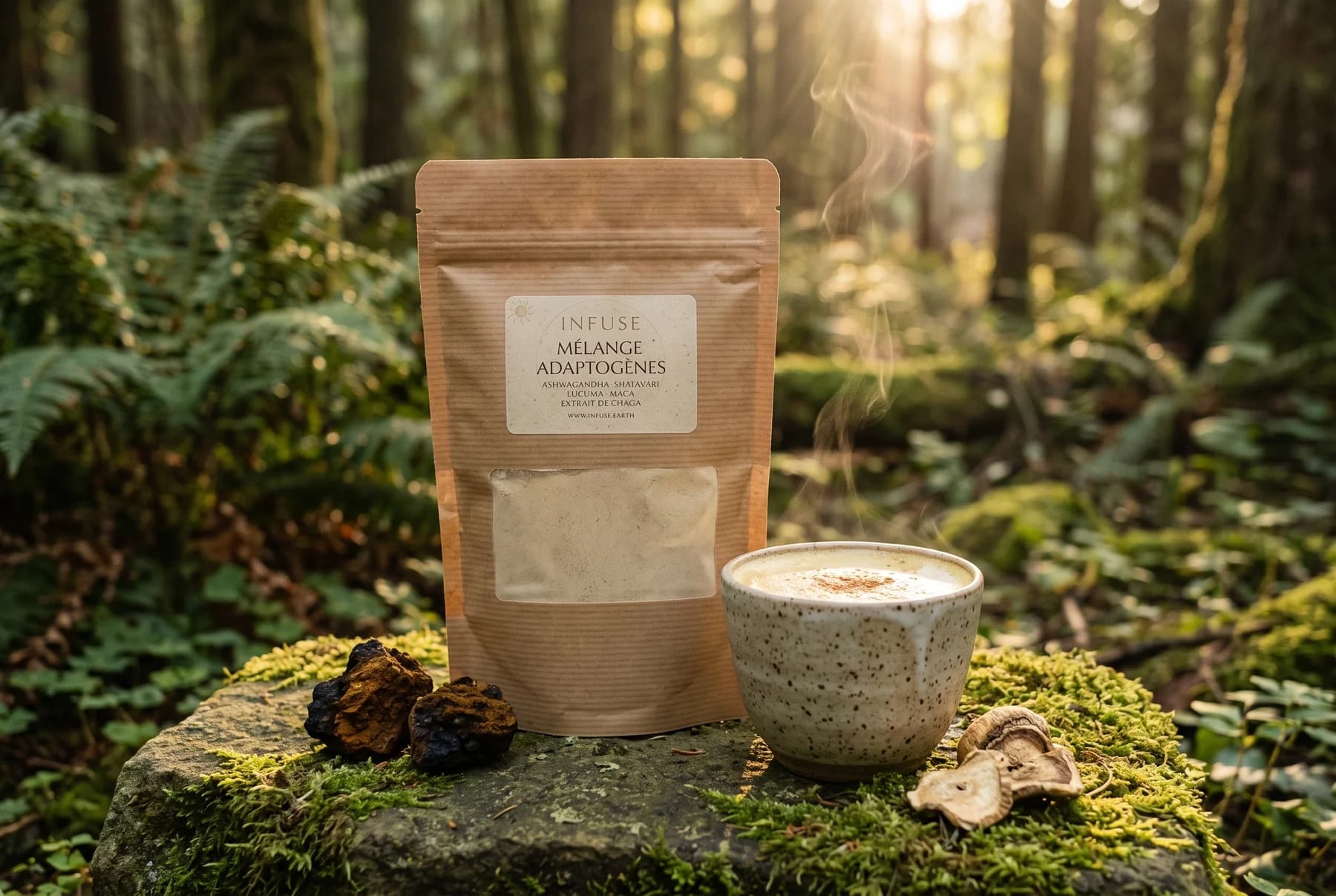
A drink made with plants and mushrooms that herbalism files under the word adaptogen. The word names a category: the Soviet pharmacologist Nikolai Lazarev coined it in 1947, and Israel Brekhman and Igor Dardymov later applied it to plants (Gerontakos et al., Yale Journal of Biology and Medicine, 2020). Ours is the Inner Fire, the alchemical morning latte: six ingredients (Shatavari, red Maca, Lucuma, Ashwagandha, raw cacao, Chaga) in a powder prepared warm, in the morning milk.
Does the adaptogenic blend contain caffeine?
Very little. The raw cacao in the blend brings a little, along with its theobromine: far less than a cup of coffee. The other five ingredients contain none. It is designed as a coffee alternative, for the warm cup of the morning.
Which plants make up this blend?
Six. Shatavari, red Maca, Lucuma, Ashwagandha, raw cacao and Chaga (double extract) — four lineages crossed: Indian Ayurveda (Ashwagandha, Shatavari), Andean medicine (Maca, Lucuma), cacao from the Mesoamerican traditions and chaga from the birch forests.
How do I prepare an adaptogenic latte?
Place a heaped teaspoon (5 to 7 g) in a small saucepan. Add 250 ml of plant milk (oat, almond, coconut). Heat gently until simmering — around 85°C, never boiling — to preserve the beta-glucans of Chaga. Emulsify with a manual or electric frother for 30 seconds to obtain a creamy texture.
When should I drink the adaptogenic blend?
In the morning, as a waking ritual, or at any time of day. Its nutritional density accompanies the morning.
Can the adaptogenic blend replace coffee?
It is designed as an alternative to coffee — same warmth, same morning gesture, with far less caffeine. The transition is gentle — two weeks of drinking it alongside coffee.
All questions
How long should I take it?
As long as a ritual you let last: a cup each day, week after week, and everyone finds their own rhythm.
Is the adaptogenic blend contraindicated during pregnancy?
Yes, as a precaution. It is contraindicated during pregnancy or breastfeeding without the advice of a healthcare professional.
⊹ Chapter · Questions ⊹
Ask, answer, share.
One question, one answer — sometimes several voices. The community answers first; INFUSE steps in when it should.
- Anonymous voiceSep 1
Le matin ou le soir ?
- flordelparaisoestelarINFUSE teamSep 2
Quand tu veux, matin ou soir. Le matin, c'est un rituel de réveil : une tasse chaude et ronde pour commencer la journée.
In depthbotany · phytochemistry · historyRead
The word and the thing
The word adaptogen is young. Coined in 1947 by the Soviet toxicologist Nikolai Lazarev and refined by Israel Brekhman in his 1968 work on Eleutherococcus senticosus, it names substances described as helping the body cope with different forms of stress — physical, climatic, mental — without unbalancing its functions. The canonical definition sets three criteria: non-specificity (effective against varied stressors), normalisation (a return toward balance, whichever way the imbalance runs) and innocuousness (no disruptive effects at usual doses).
The thing this word names is far older. At least three lineages had observed and formalised it long before: Vedic Ayurveda (the concept of rasayana), the high-altitude medicine of the Andes (the plants of the Junín plateau as everyday food-medicines) and the circumpolar boreal pharmacopoeia (chaga, eleuthero). Soviet science of the 1950s and 60s categorised it.
Three polycentric pharmacopoeias
The blend deliberately brings together distinct origins — India, Peru, the boreal forests — without claiming a single, millennia-old tradition. The thread that links them is an Ayurvedic reading: the pairing of Ojas (vital essence, the deep reserve) and Tejas (the fire of transformation, clarity). The nourishing ingredients (shatavari, lucuma, maca) sit on the Ojas side, the more tonic ones (chaga, ashwagandha) on the Tejas side. This is a storytelling frame, and we offer it as one.
The Sanskrit rasayana (from rasa, essence or fluid, and ayana, path or vehicle) names, in Ayurveda, a category of plant-foods associated with regeneration and with nourishing the deep tissues. Ashwagandha and shatavari belong to it by tradition.
At 4,000 metres, on the puna of Junín, the Quechua traditionally prepare maca as mazamorra, a porridge in which the root cooks for several hours in water, sometimes with quinoa and milk. Cooking gelatinises the starches (the local term is gelatinizada) and makes the root easier to digest. Preparing the blend in hot milk follows the same cooked path.
Nuggets & lineage
Aleksandr Solzhenitsyn gave chaga a place in literature: in Cancer Ward (written 1963–1966, published 1968), the patient Oleg Kostoglotov, a former Gulag prisoner, longs to gather the birch fungus and brew it himself.
Israel Brekhman, who worked from 1964 at the Institute of Biologically Active Substances in Vladivostok, set out the theory of the adaptogen in his 1968 monograph on Eleutherococcus, then with Dardymov in 1969. The Soviet trials of eleuthero followed sailors, divers, pilots, athletes, workers and cosmonauts: the adaptogen was born in Soviet scientific and military research.
Safety and good use
The blend brings together plants that act on the hormonal and nervous systems. It is not advised during pregnancy or breastfeeding without the advice of a health professional. As with any plant-food, starting with small amounts lets you observe how your body responds.
The blend is not a medicine and replaces no treatment. It accompanies a slow building of the ground, over several weeks to several months, with quiet, cumulative effects: that is precisely what sets it apart from a stimulant.