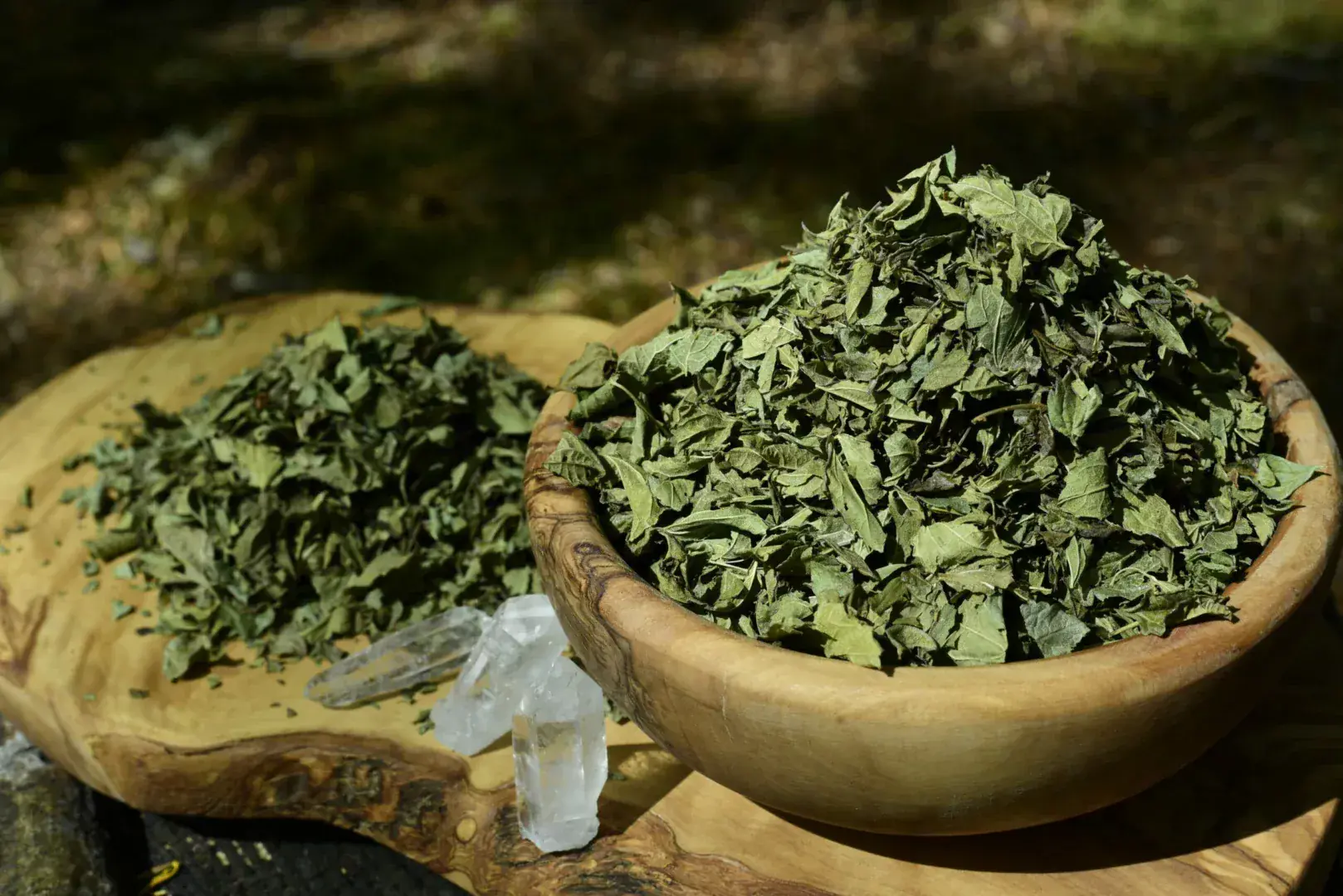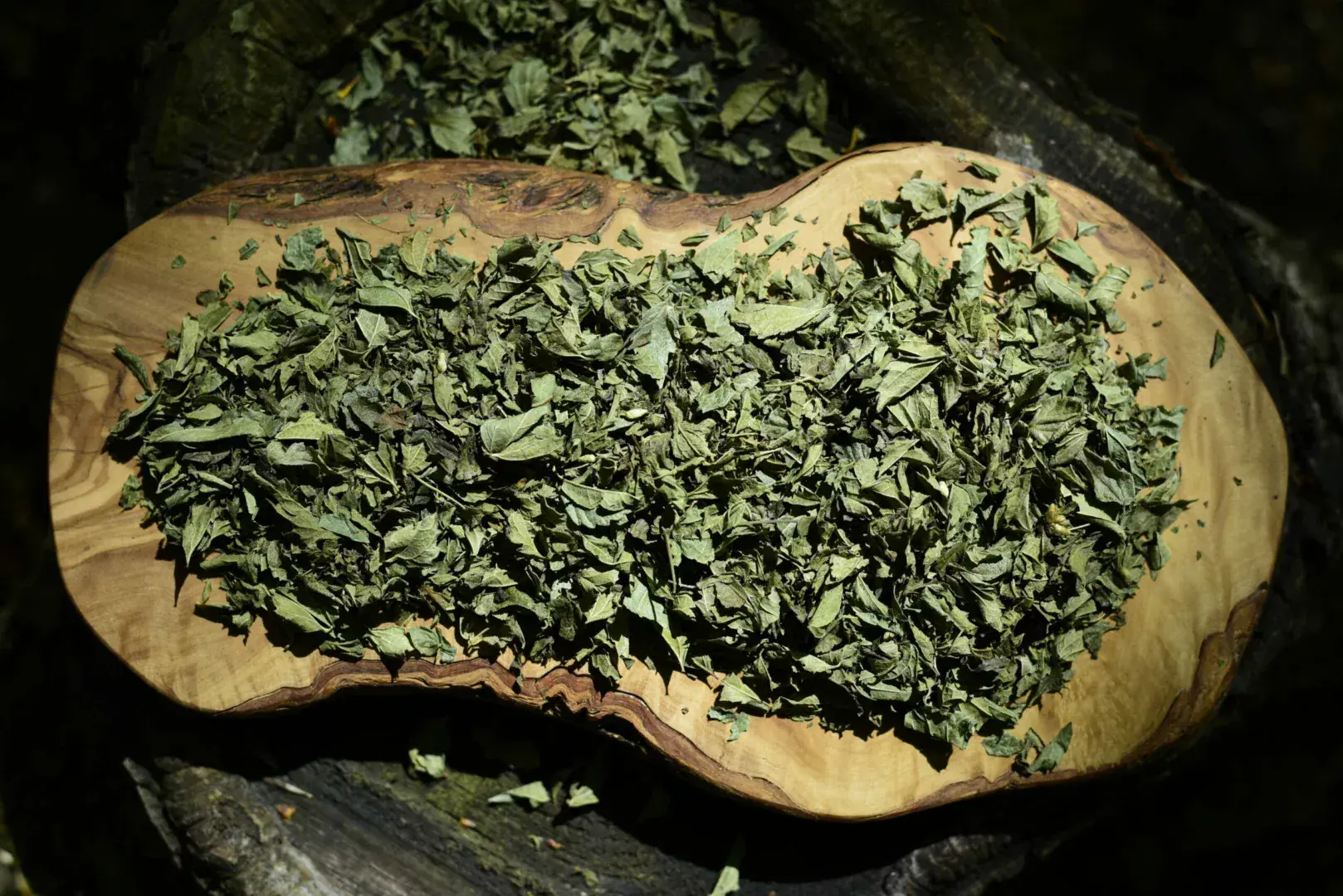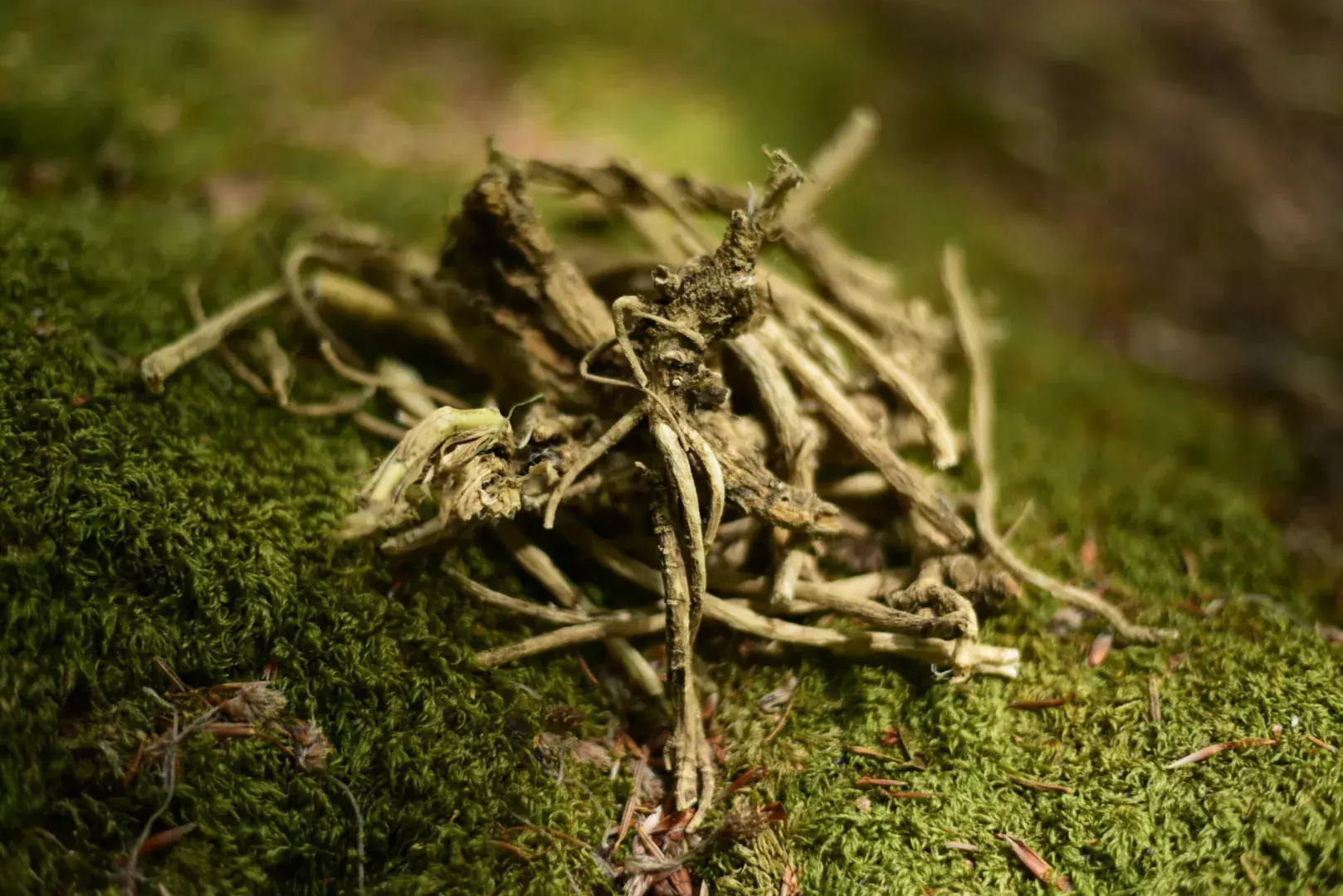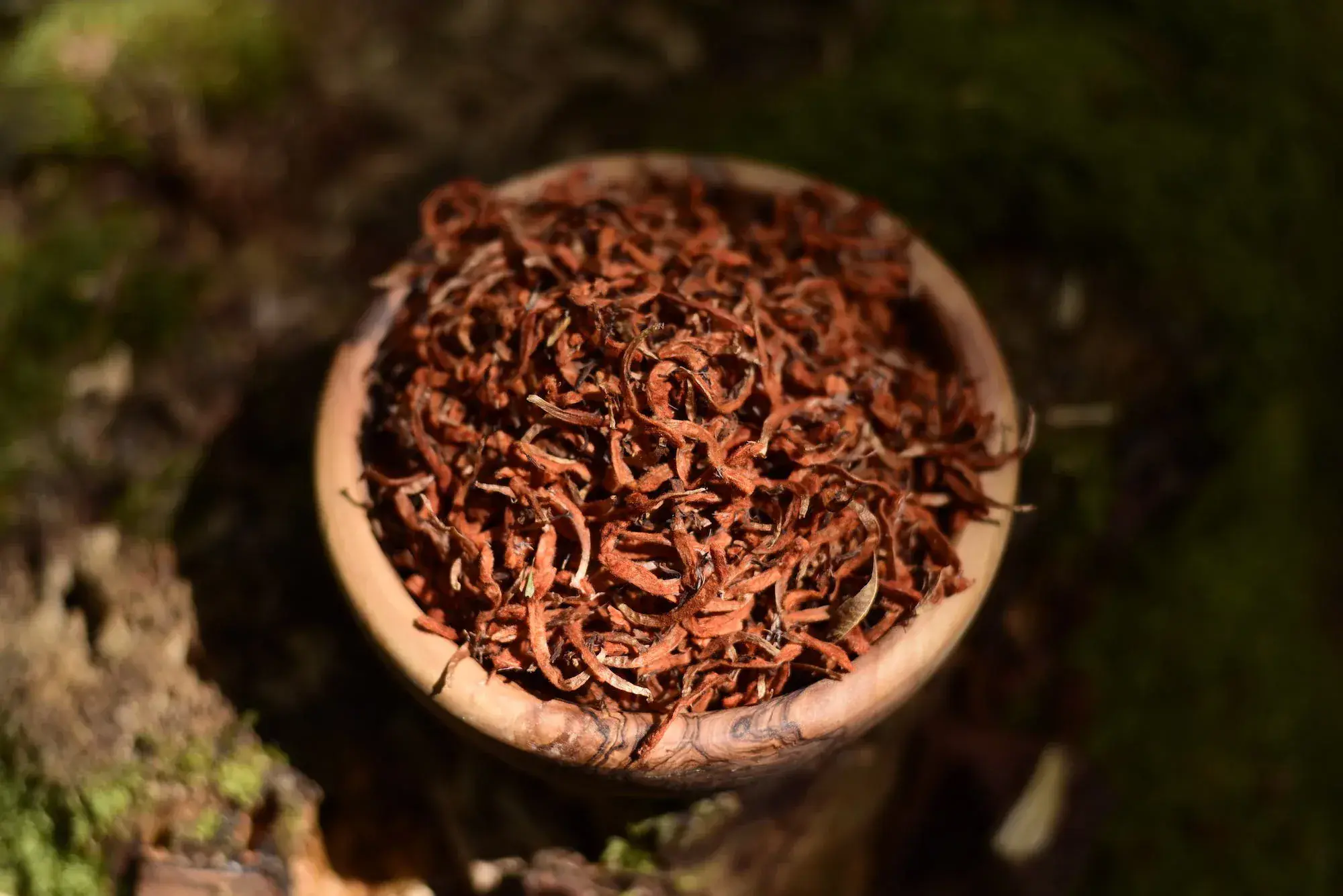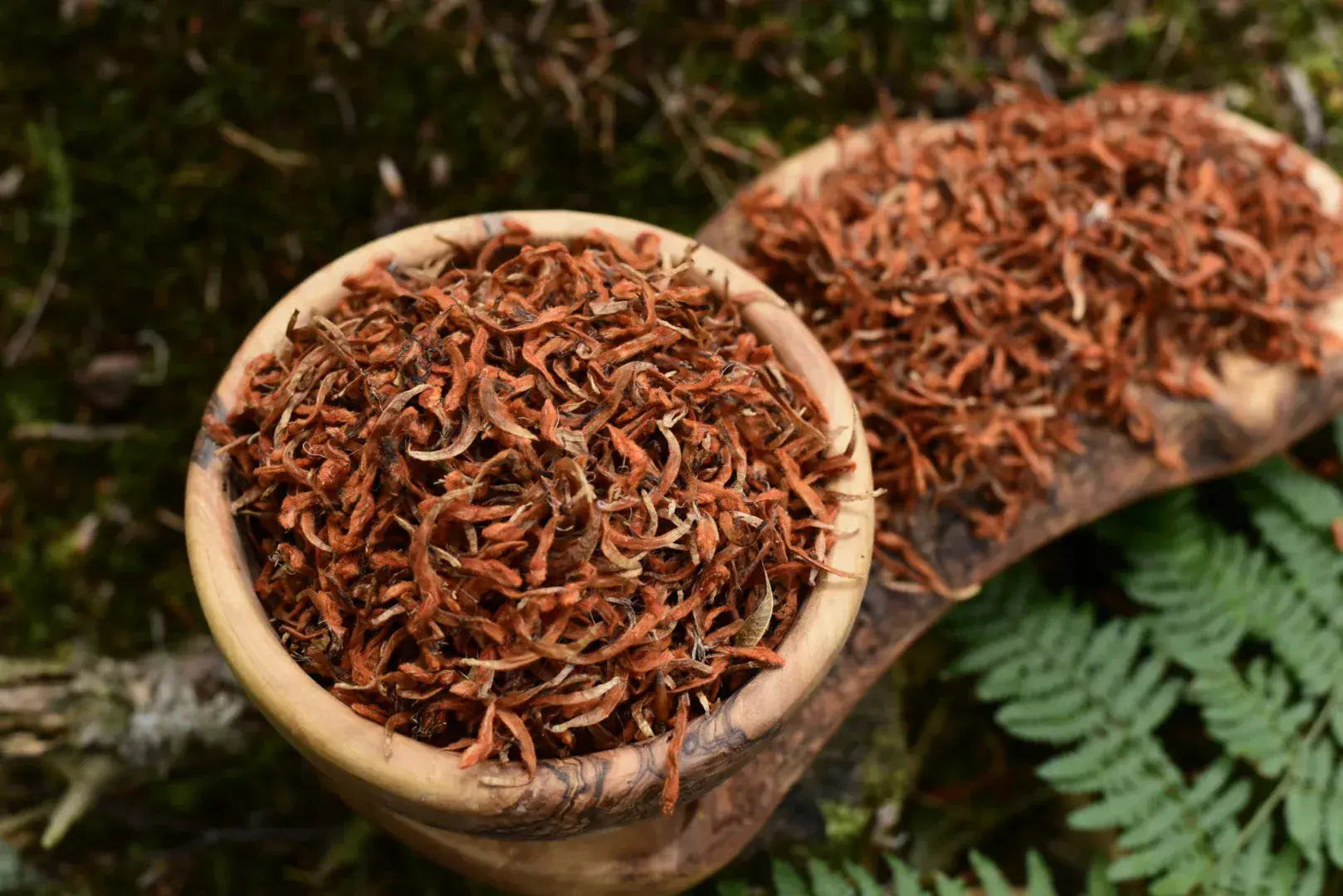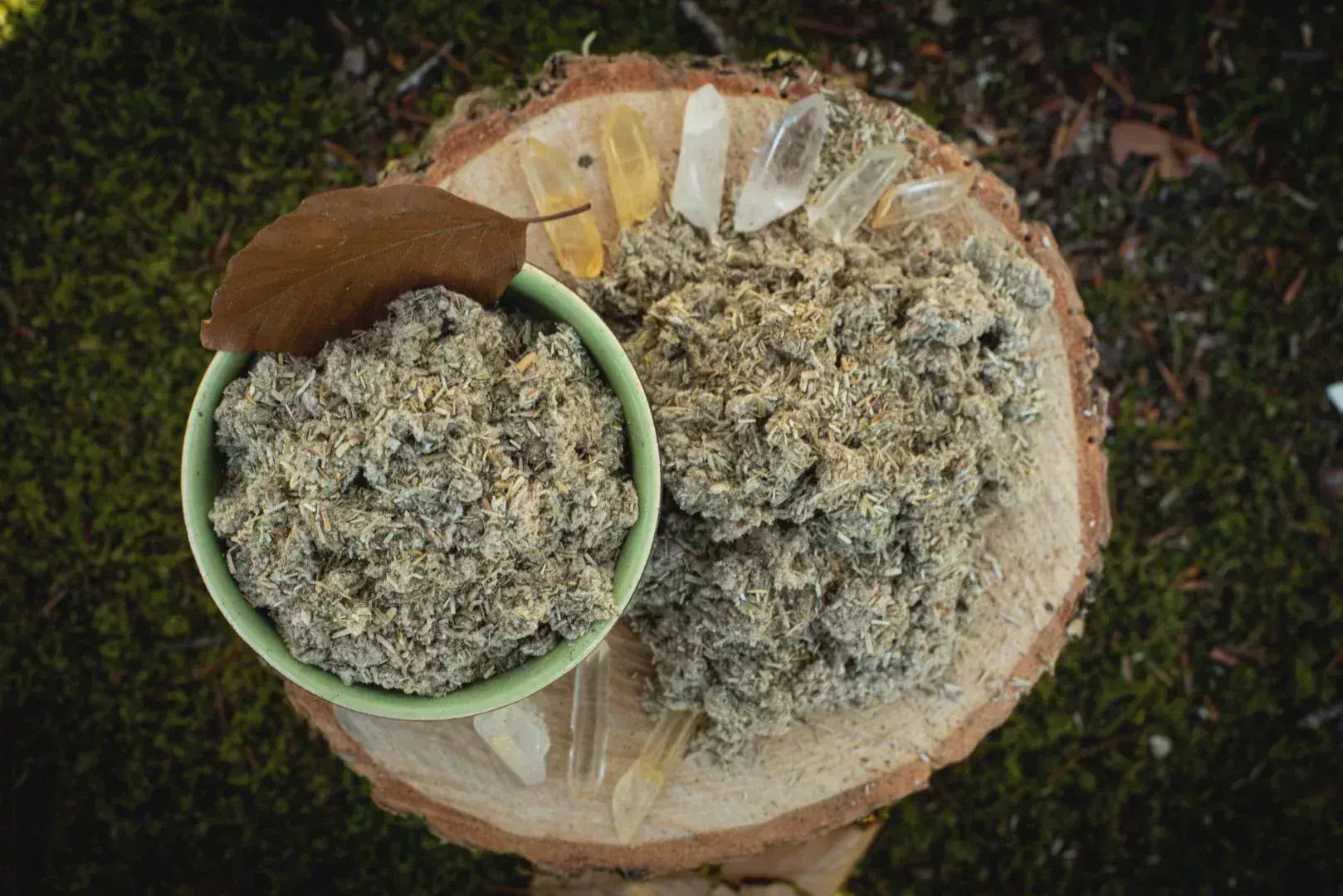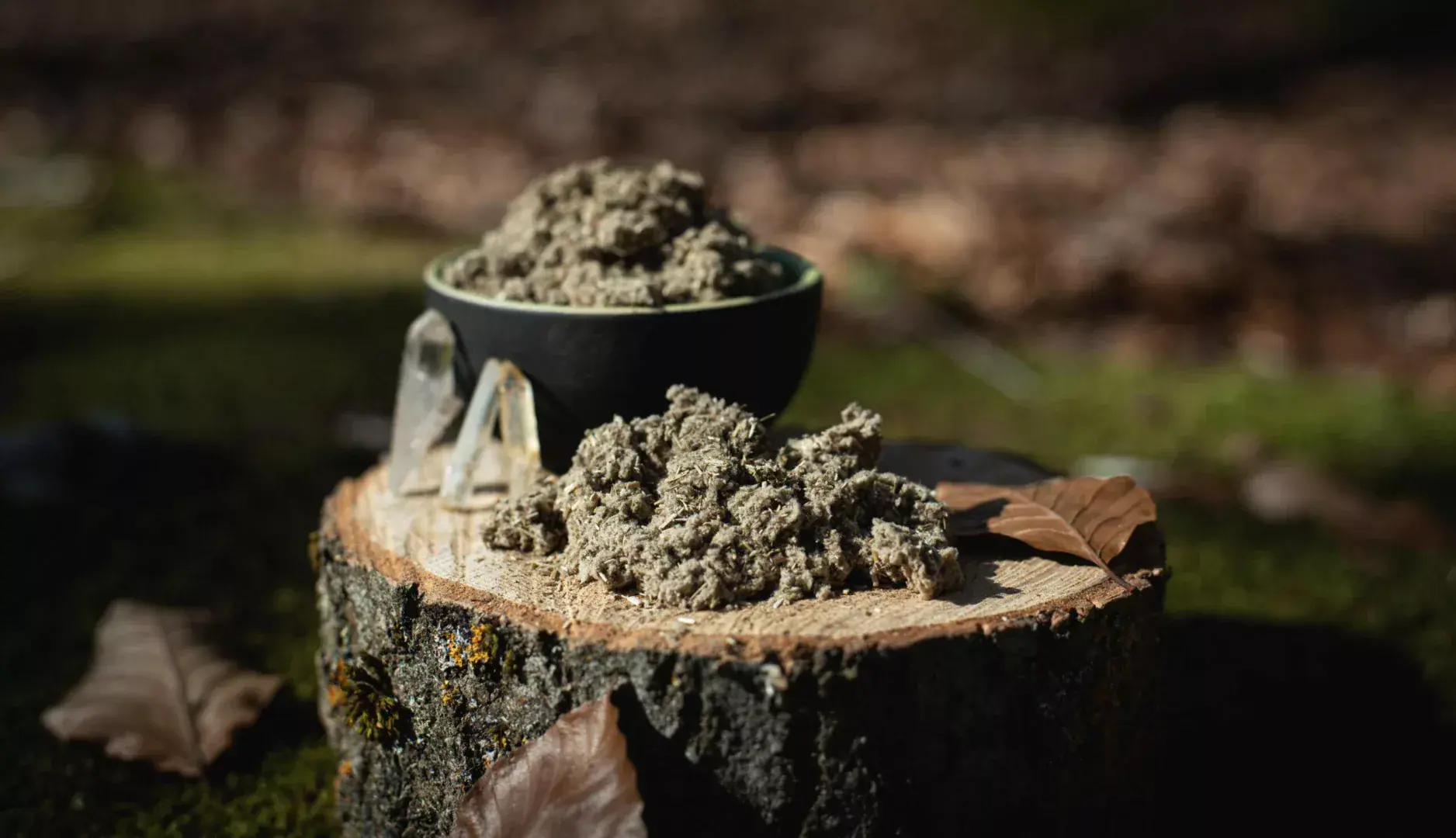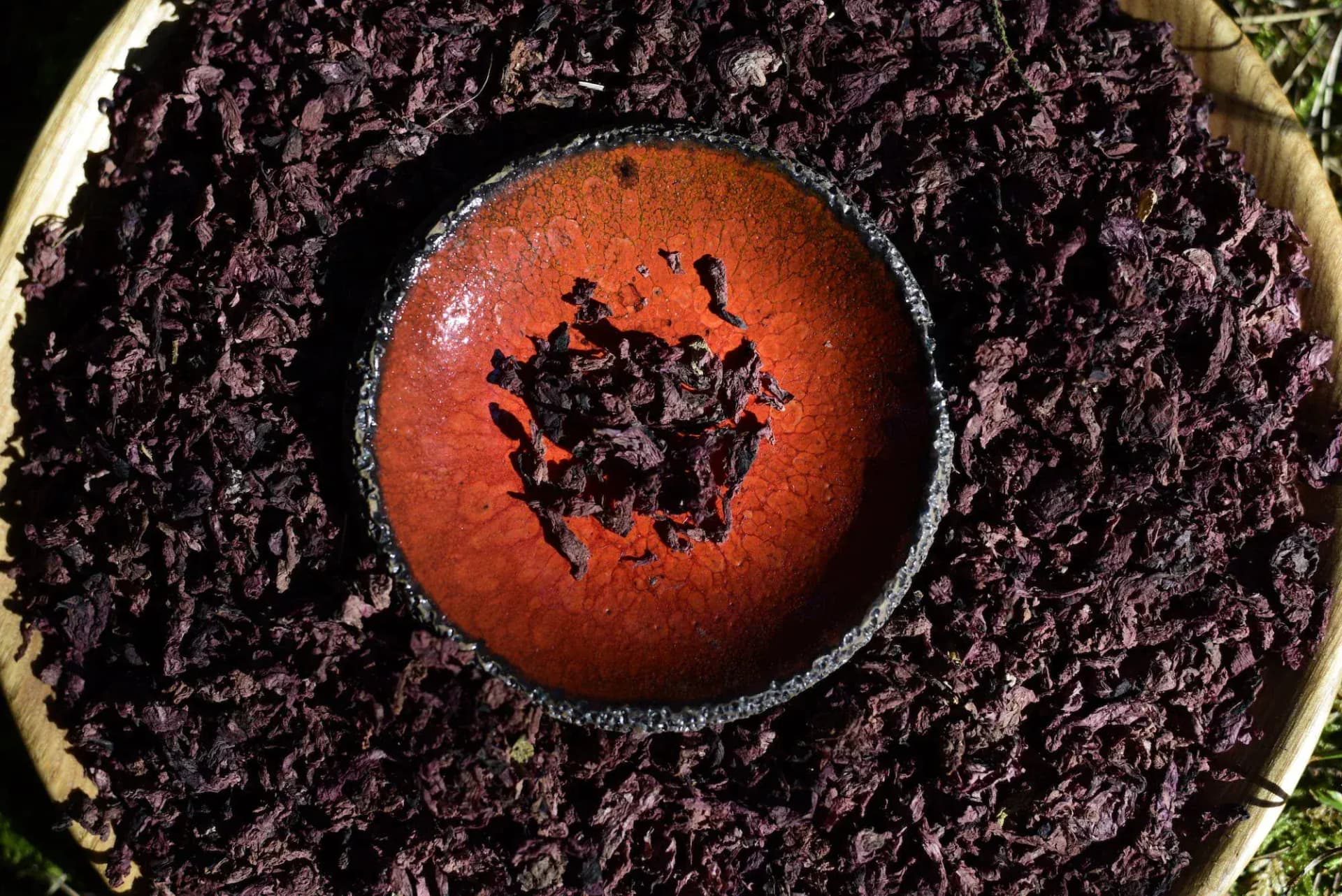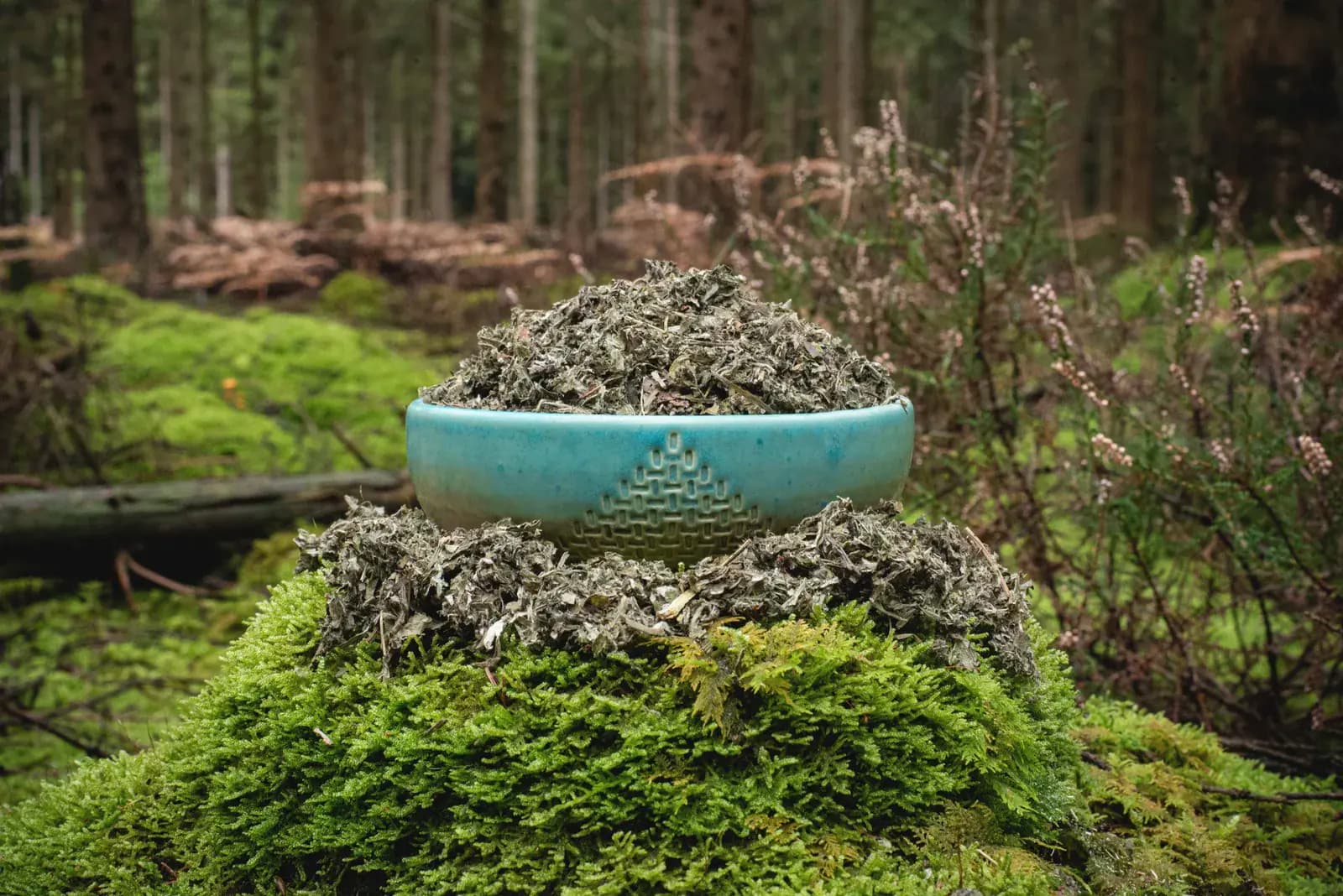
Blue Lotus
★4.9· 543 reviews
€6.00
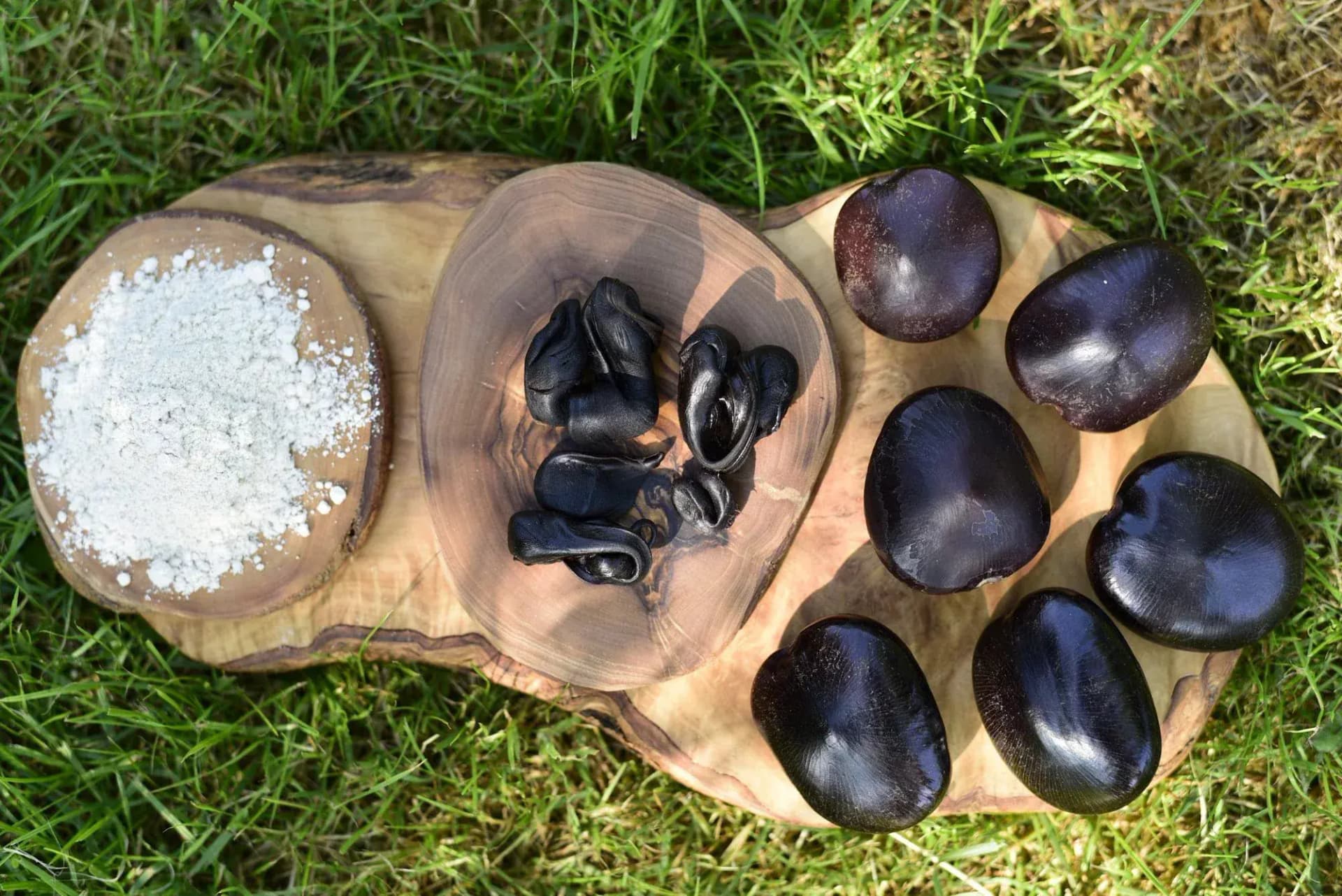
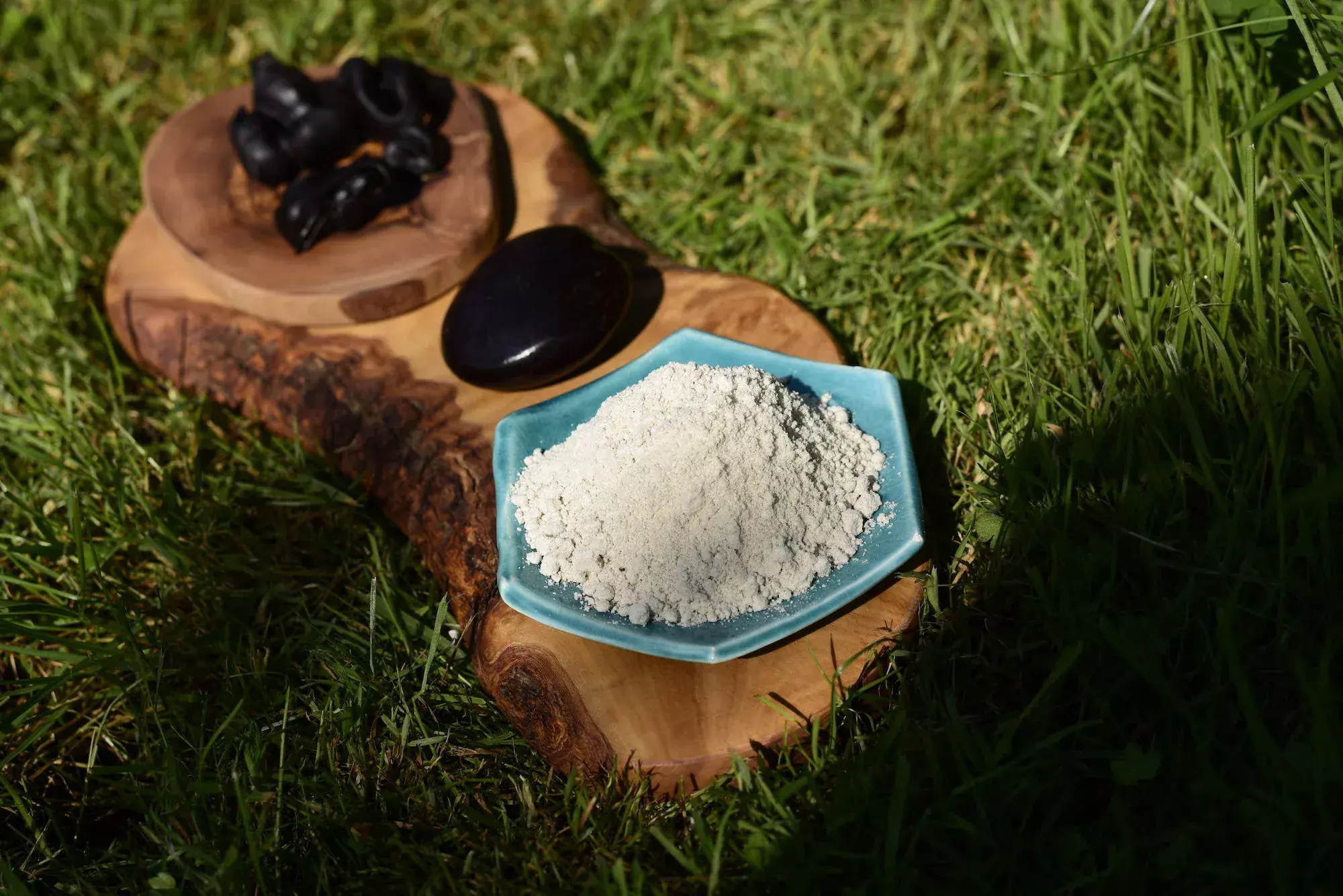
Calea, the Ubulawu family, the African dream bean, blue lotus: dream herbs and sleep plants, marvelous and still little known. They reopen the gates with great simplicity, often in a single evening, or a few.
A shared mystical land that we all explore, whatever our cultures, our religions, our beliefs.
Dreaming is the place where every creation begins, individual and collective.
To honor dreams is to honor the feminine, intuition, rest. It is finding the power in stopping.
That is why we chose to share these plants: to help each of us remember how much dreaming matters.
When our dreams stay very everyday, caught in the social and the emotional, dream herbs can reveal a more mystical, deeper, more distant dimension of the soul.
They can help us reach the root: the heart of our souls, our hidden desires, our greatest dreams, our reasons for being, that "why am I here on Earth".
In our dreams, our fears, our doubts, our sorrows find a place to speak. Life speaks there first in whispers, and we learn to hear it before it needs to shout.
There we receive guidance and signs for everyday life. Many dreams start making sense and unfolding in our lives days, weeks, often months later.
They are wonderful guides and teachers.
With them, the gates open, and can stay open for days, weeks, months, depending on the care we give our dreams and our sleep.
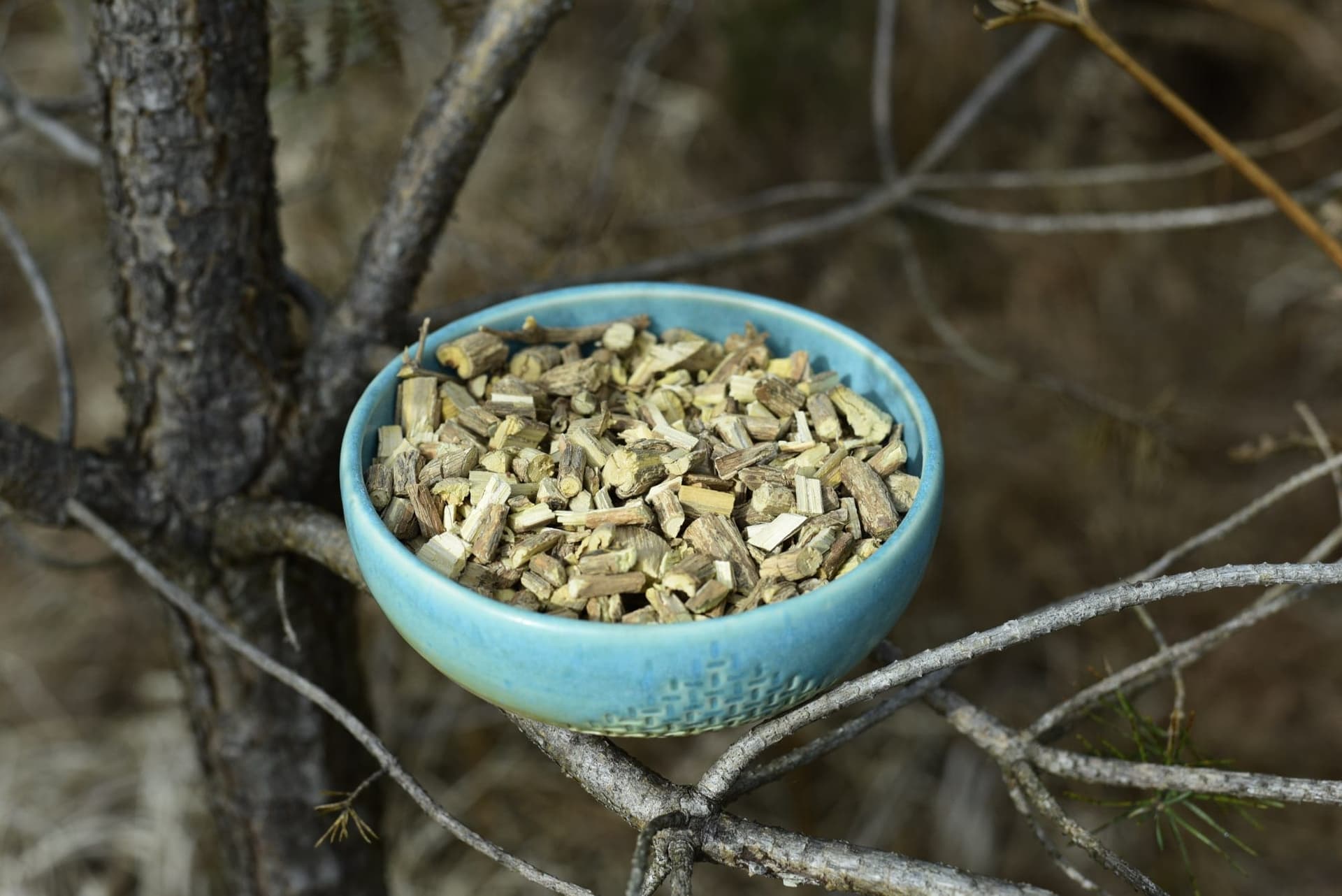
The great dream masters of South Africa's sangomas. Three to five days with prayers and respect, and the Dream Gates open up.
Enter →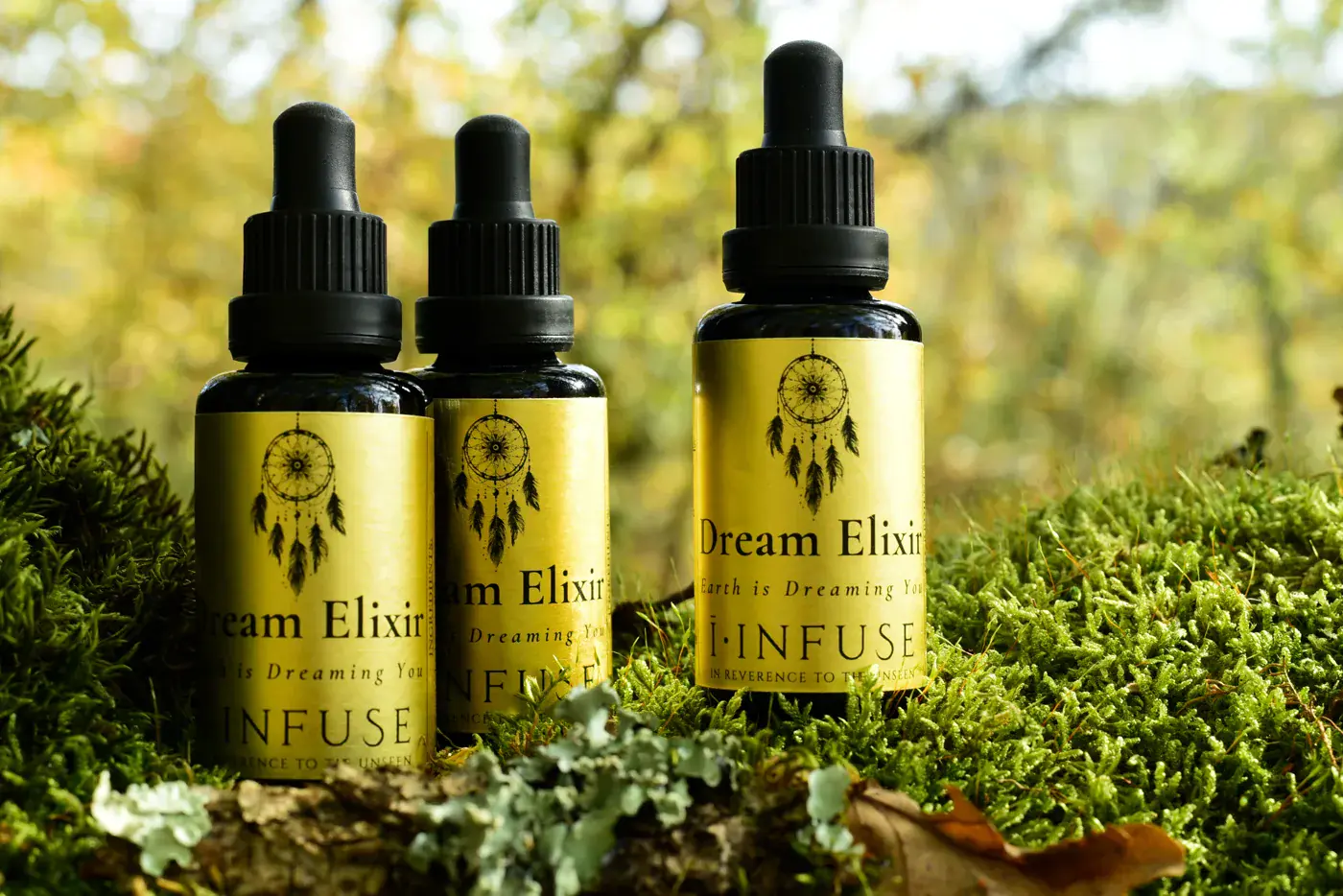
Dreams rich in meaning, varied, spectacular. Calea, the Herb of the Gods, which the Chontal call thle-pela-kano, awakens the Dreamer inside of us.
Enter →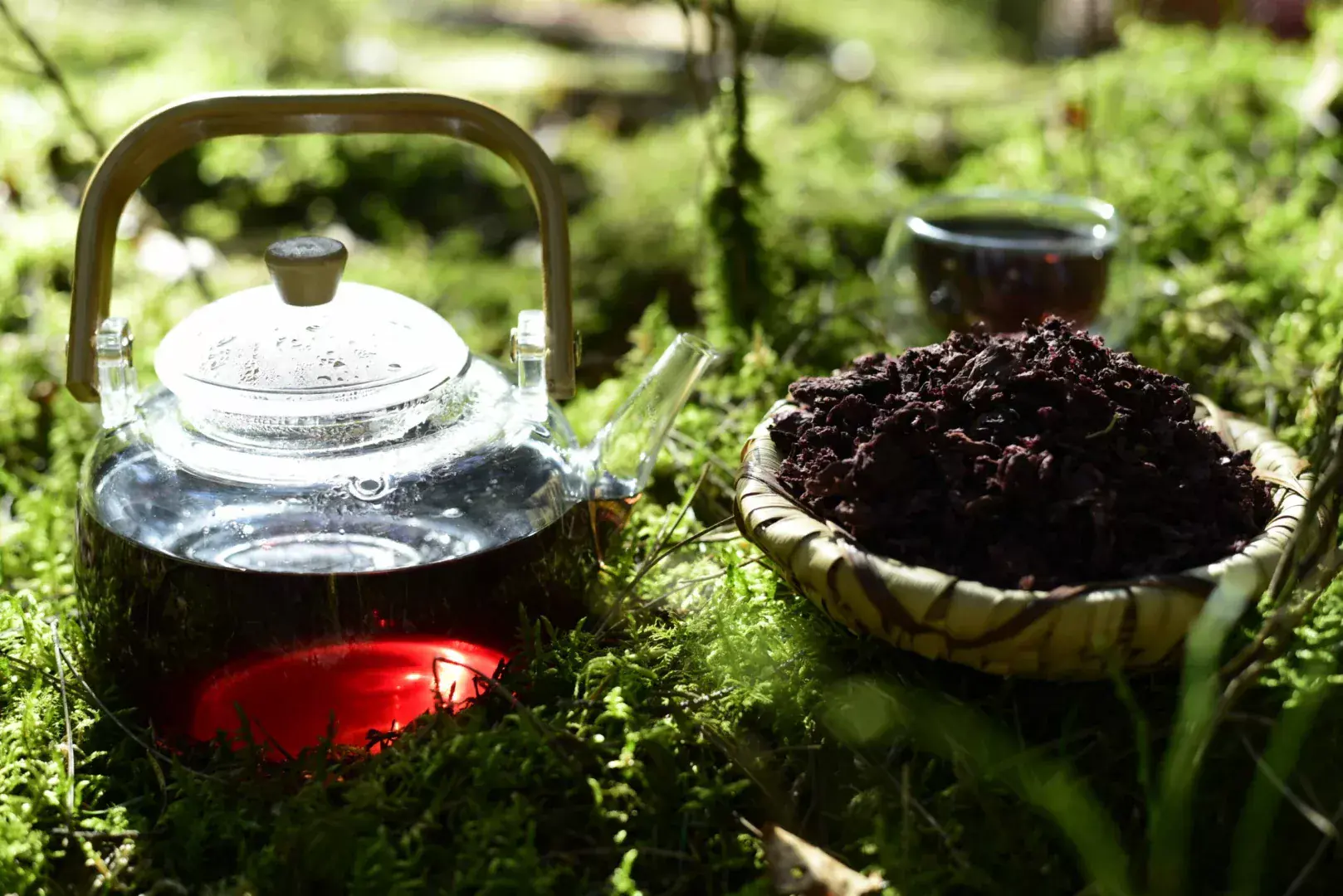
Simply, to sleep well. Mother Nature wants us, her children, to find sleep always, no matter how heavy our burden.
Enter →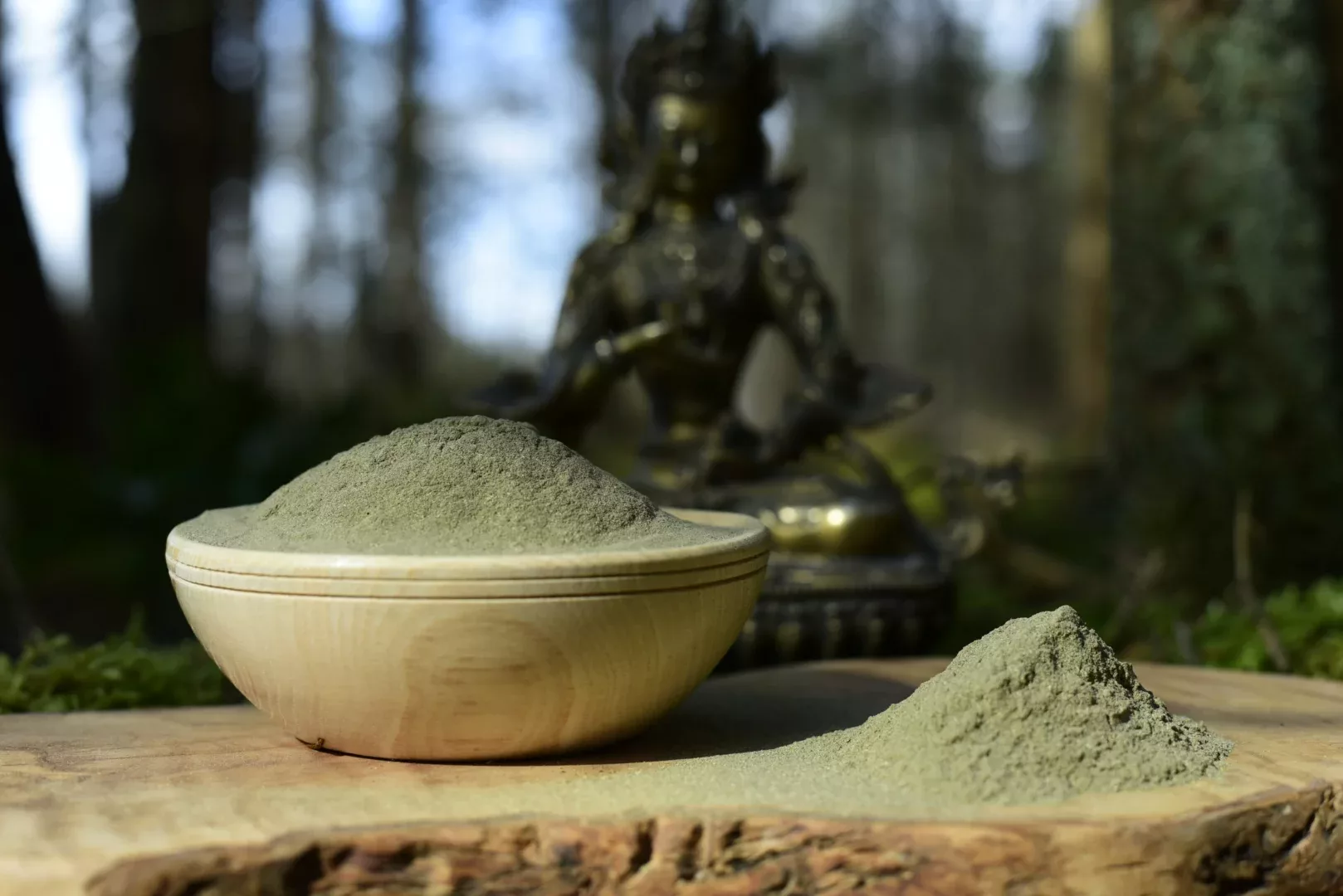
Guayusa, which the Kichwa long drank before dawn to tell each other their dreams, and her sisters: they teach lucidity, for those who wish to become lucid dreamers.
Enter →The dream herbs our dreamers talk about most.
Dream herbs are there whenever you wish, to reopen the gates or to work with an intention.
A few simple drops to throw wide the door of our imaginations. Seven dream plants, from Mexican Calea to southern Africa's Uvuma, gathered in a single dropper.
DISCOVER THE ELIXIR →The plants of the night live here in four families.
Sleep herbs help you fall asleep and sleep deeply; dream herbs work on the substance of the dream, its colour, its memory. The two meet: a full night leaves room for dreams.
Plant by plant, with the research and our dreamers’ own accounts: the guide to the best herbs for lucid dreaming.
A plant that a tradition uses for dreaming: to make the dream more vivid, to hold it on waking, to receive messages in it. They are also called oneirogenic plants. Calea of the Chontal, the ubulawu of the Xhosa and the guayusa of the Kichwa are the best documented.
Among the Xhosa and other peoples of southern Africa, ubulawu names roots whipped in water until a white foam rises. The word is said to come from ukulawula, “to control”. For diviners, it makes dreams more vivid and easier to remember (Hirst, 2005). Our Ubulawu plants: Dream Masters.
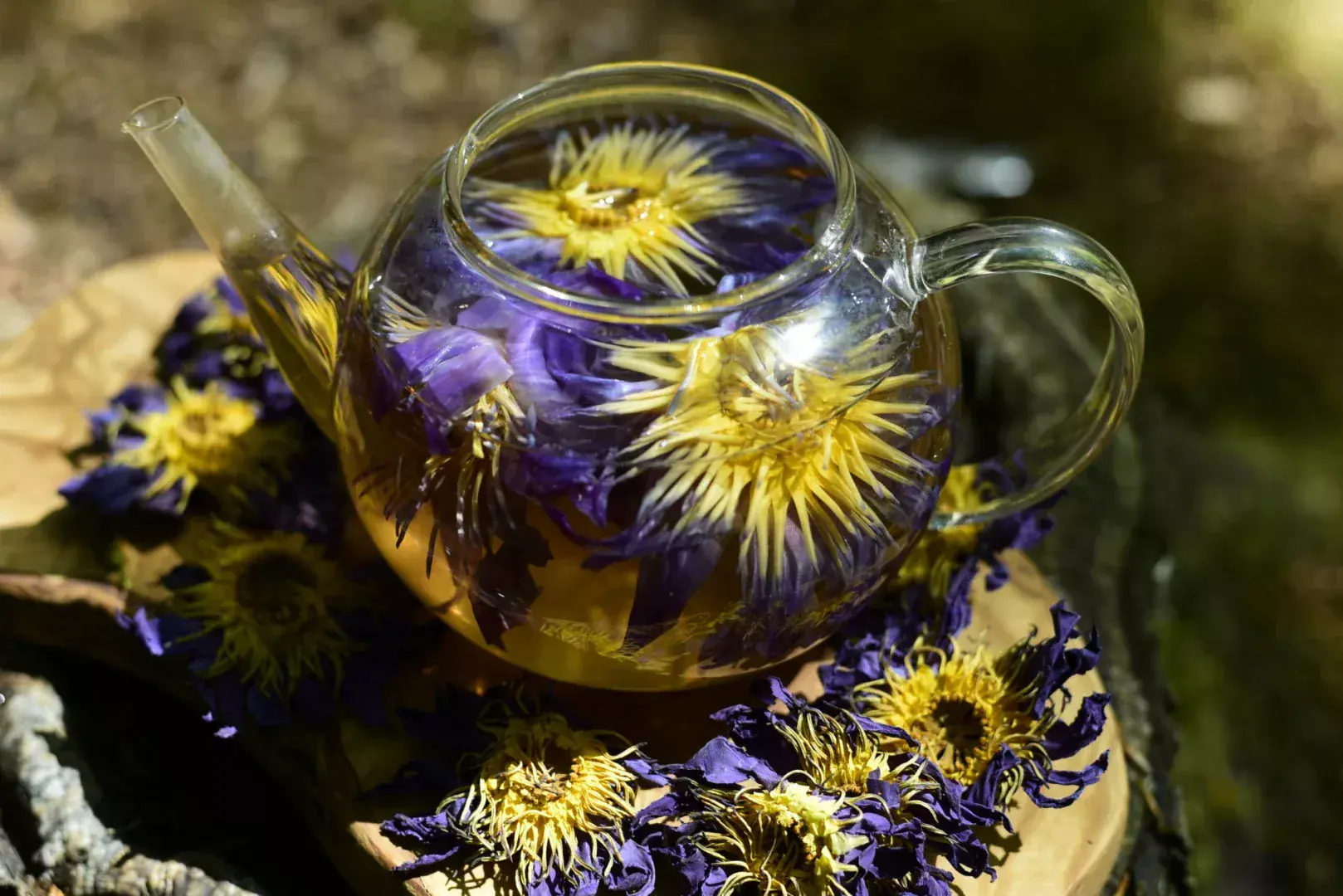
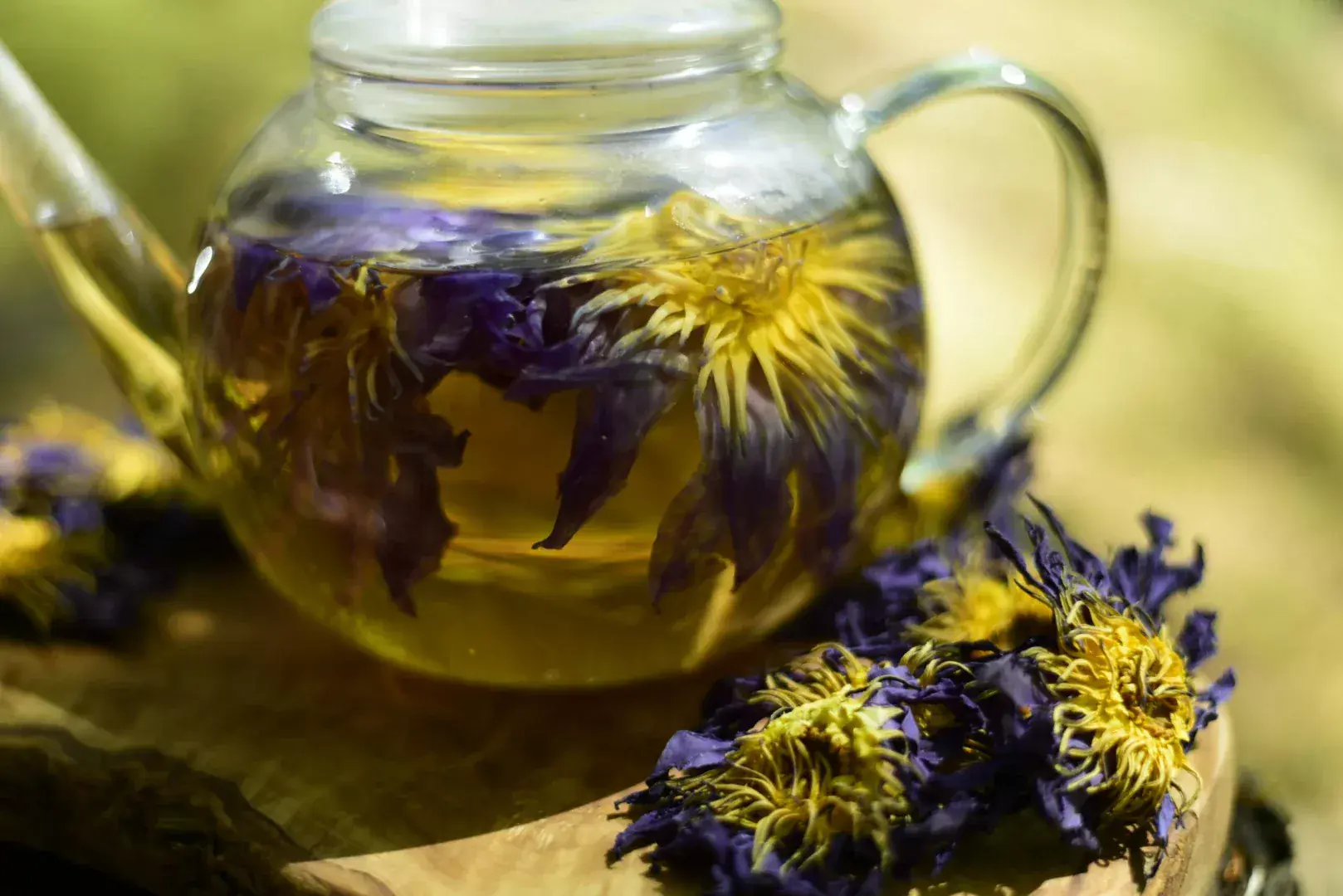
Gently: a light mugwort tea, or blue lotus, in the evening. A complete ritual: the Ubulawu discovery pack, over 3 to 5 days. Seven dream plants together: the Dream Elixir.
Some do, like blue lotus, which our dreamers often drink before bed. Others wake you up: guayusa contains caffeine and is drunk in the morning. For sleep itself: the Deep Sleep family.
They are sold freely in France. Each country has its own law: check yours before you order.
Traditions, lineages, narratives — the Forest extends what the pages begin.