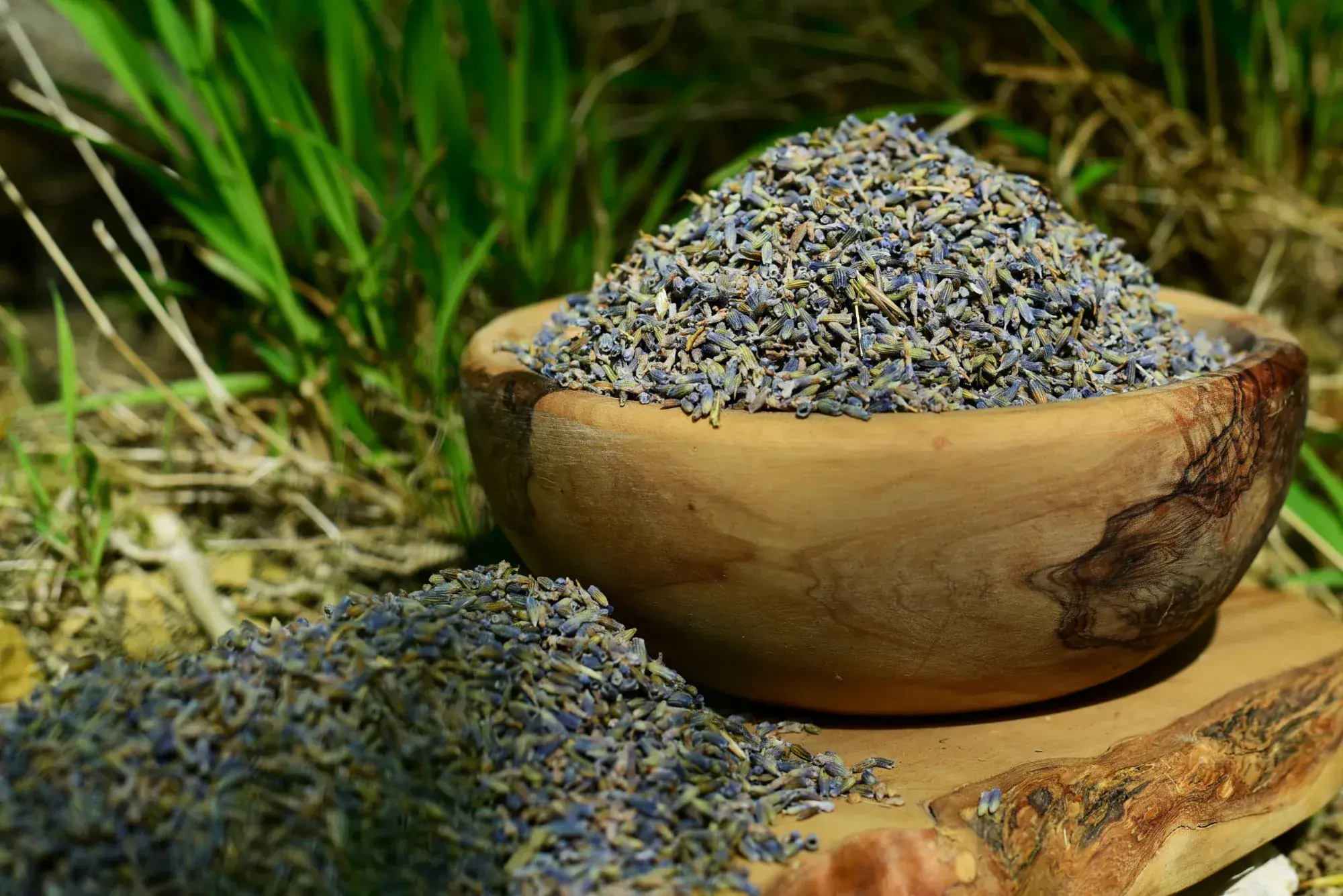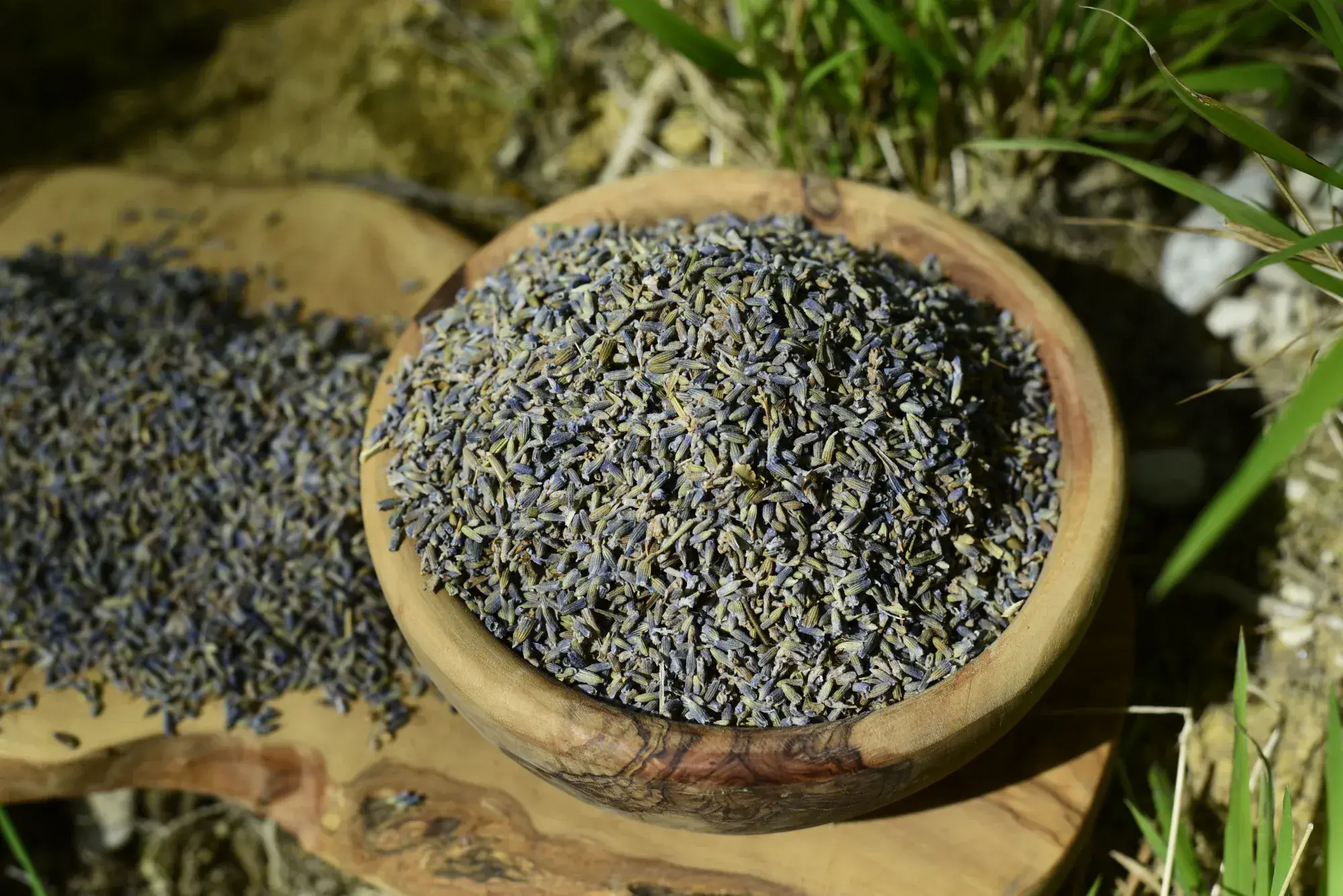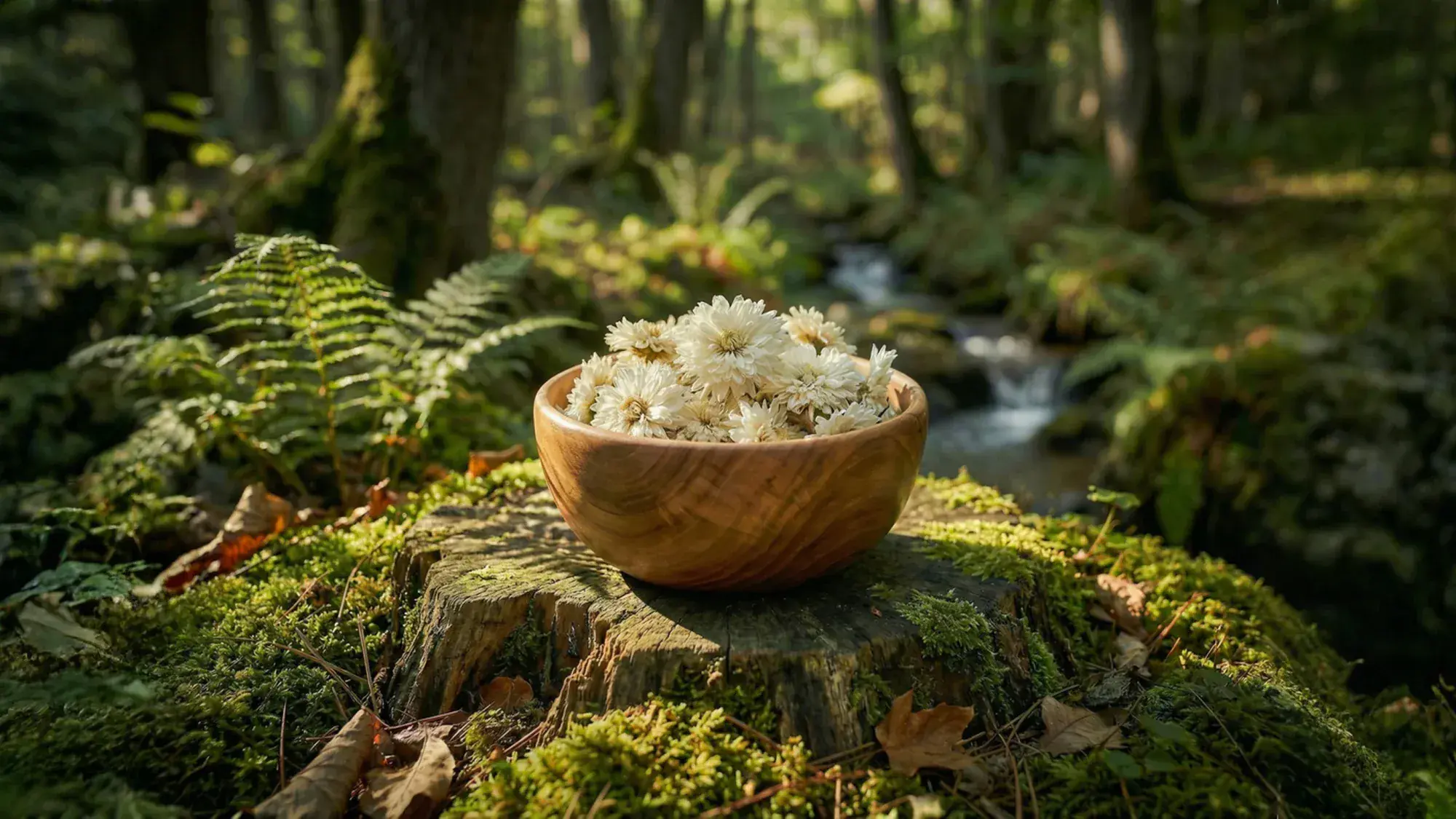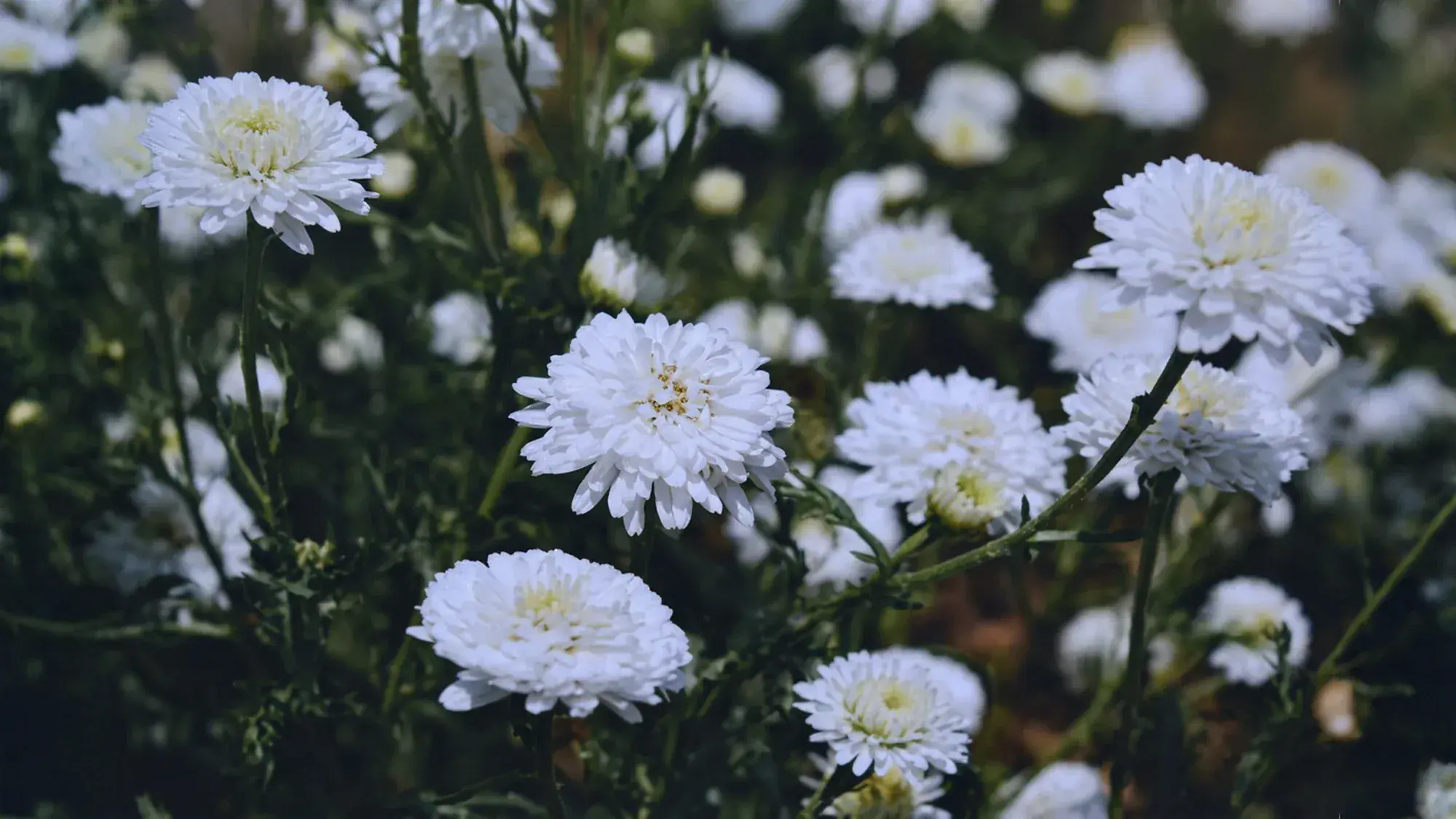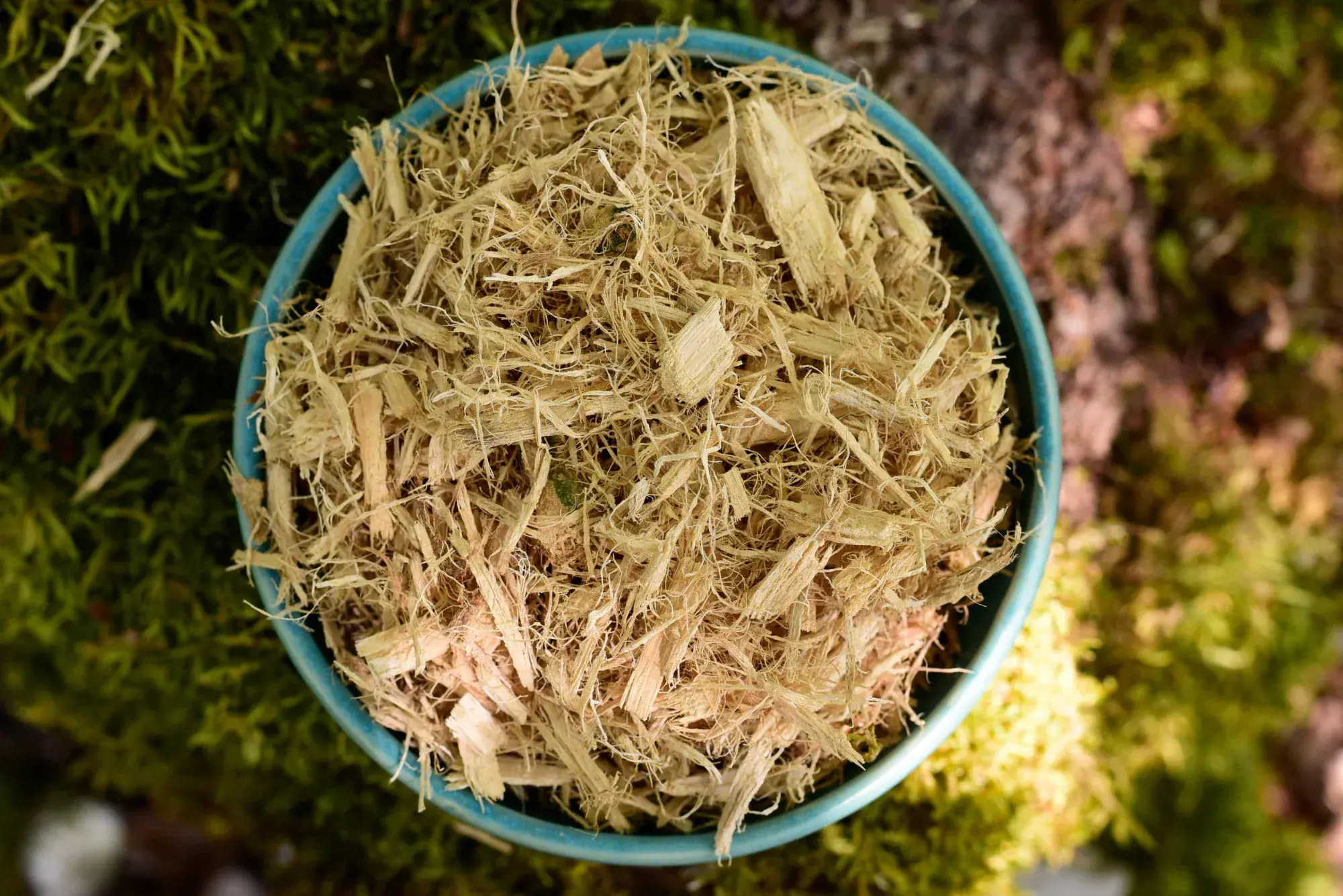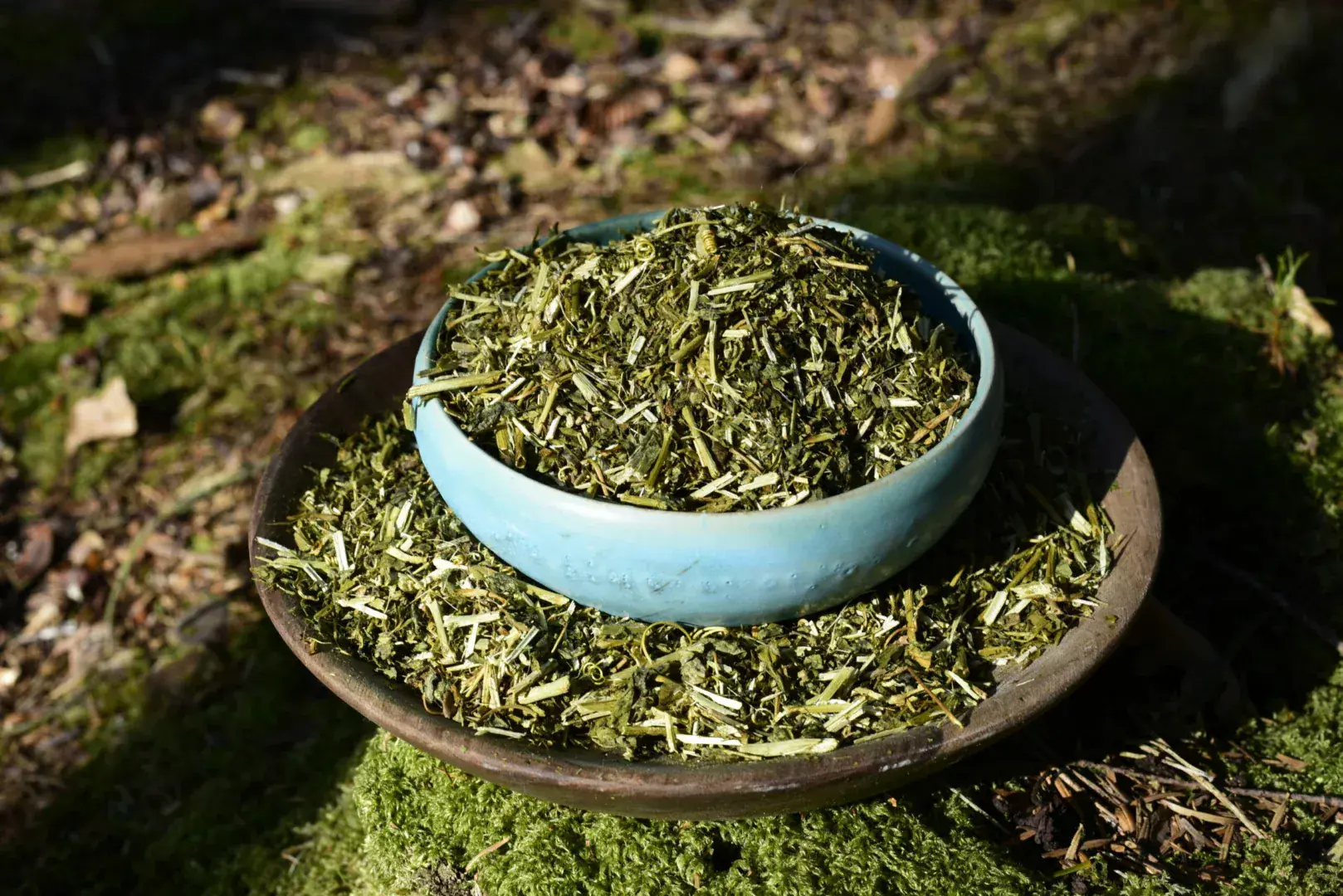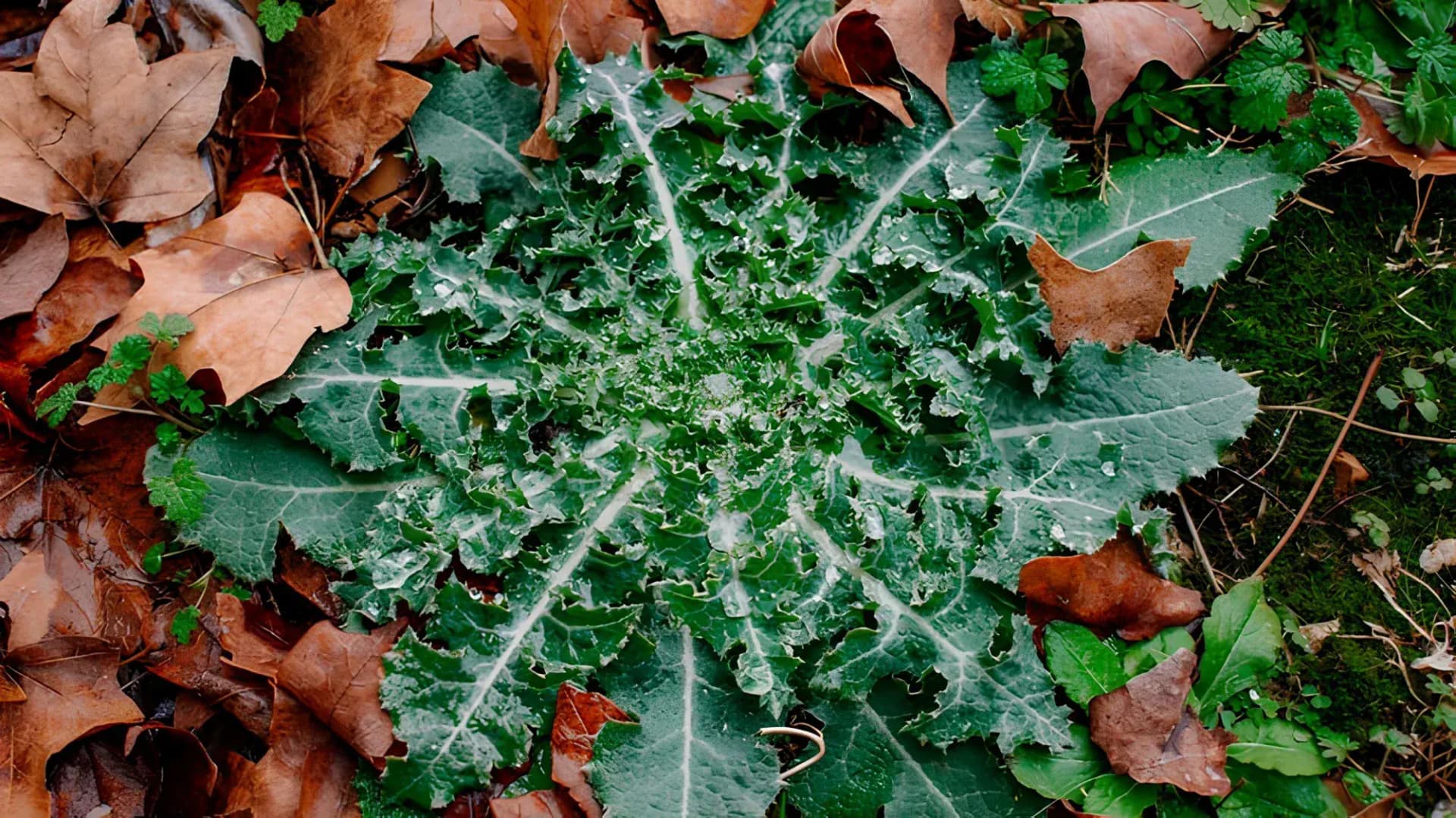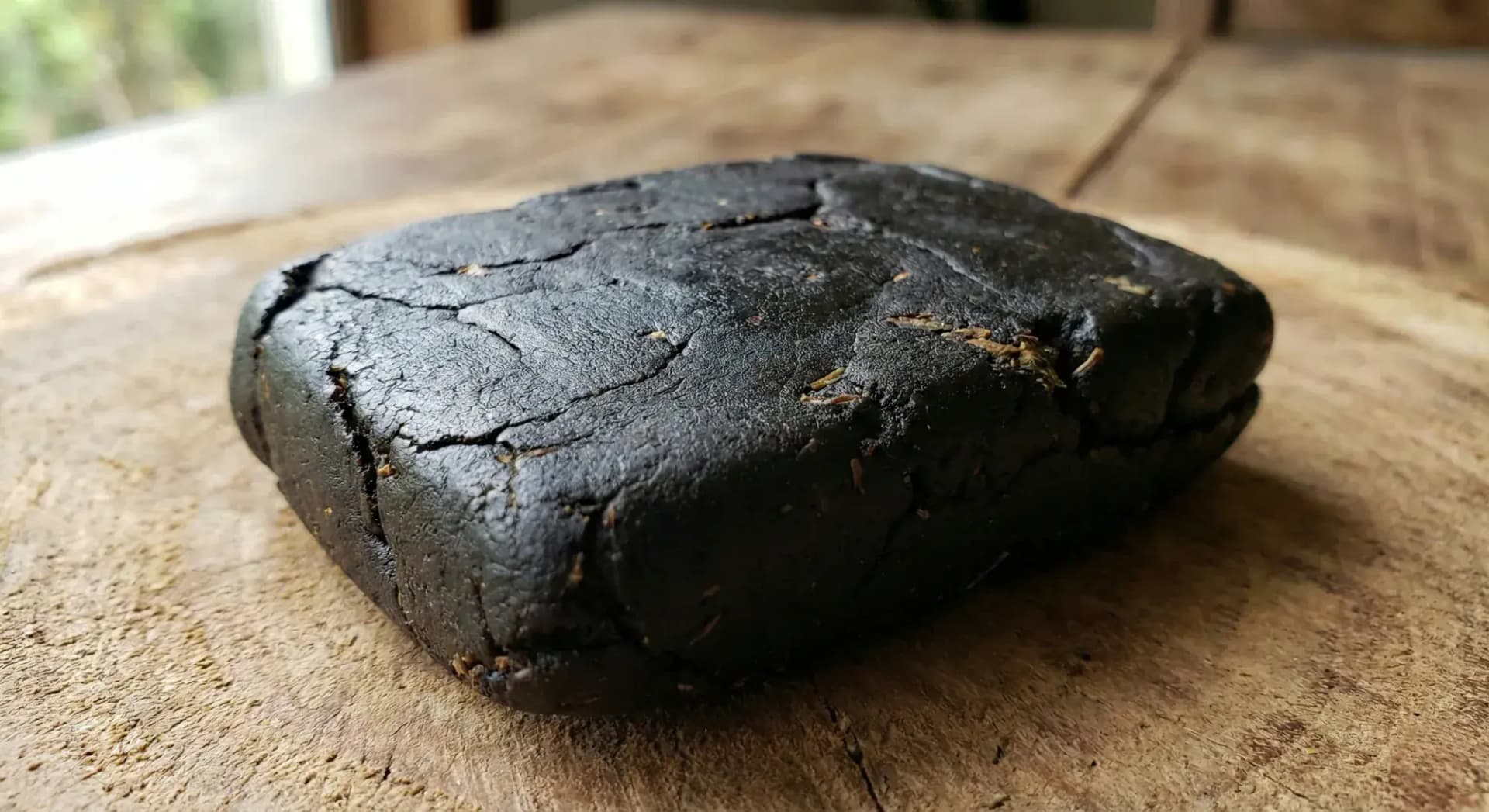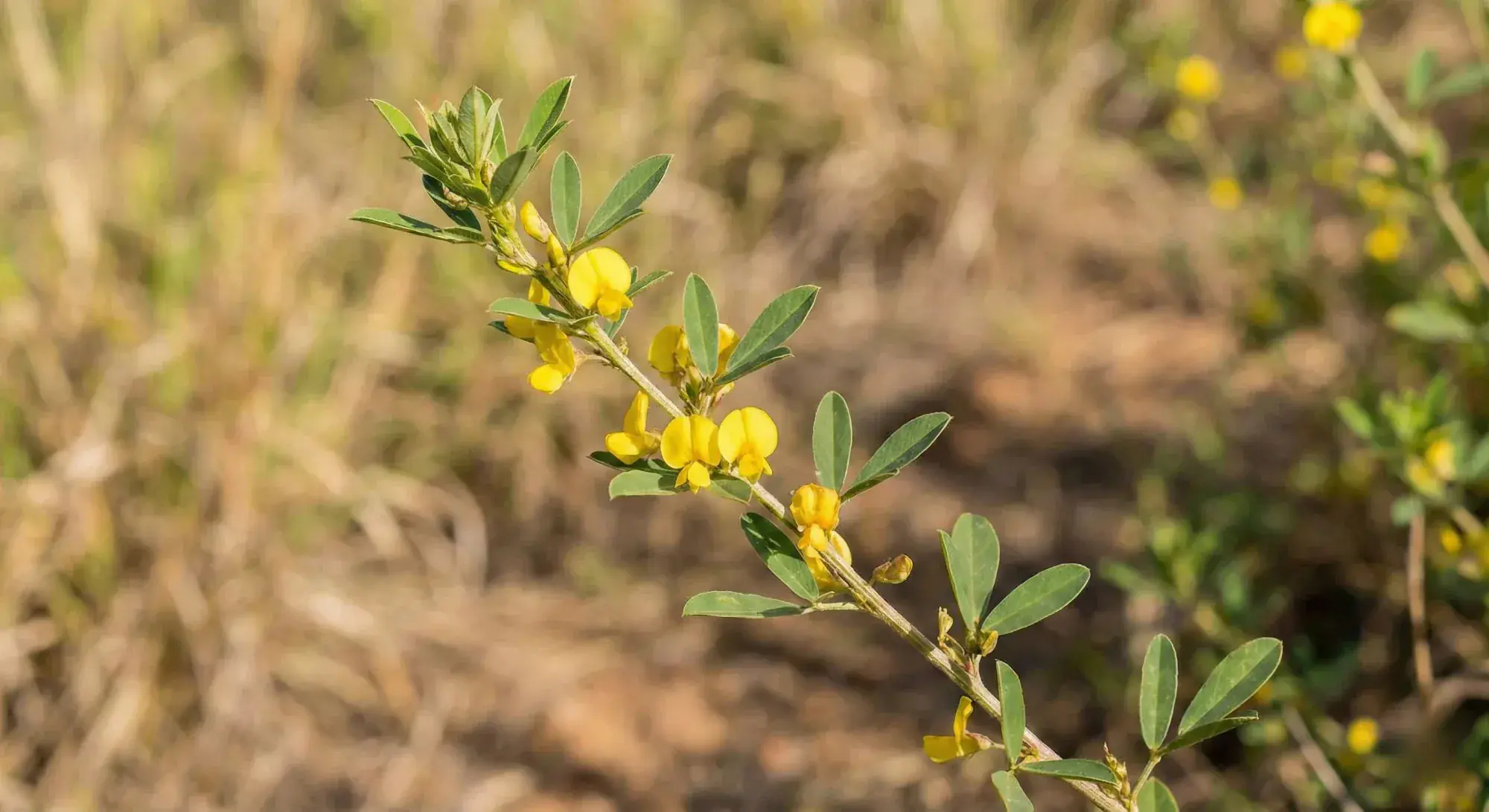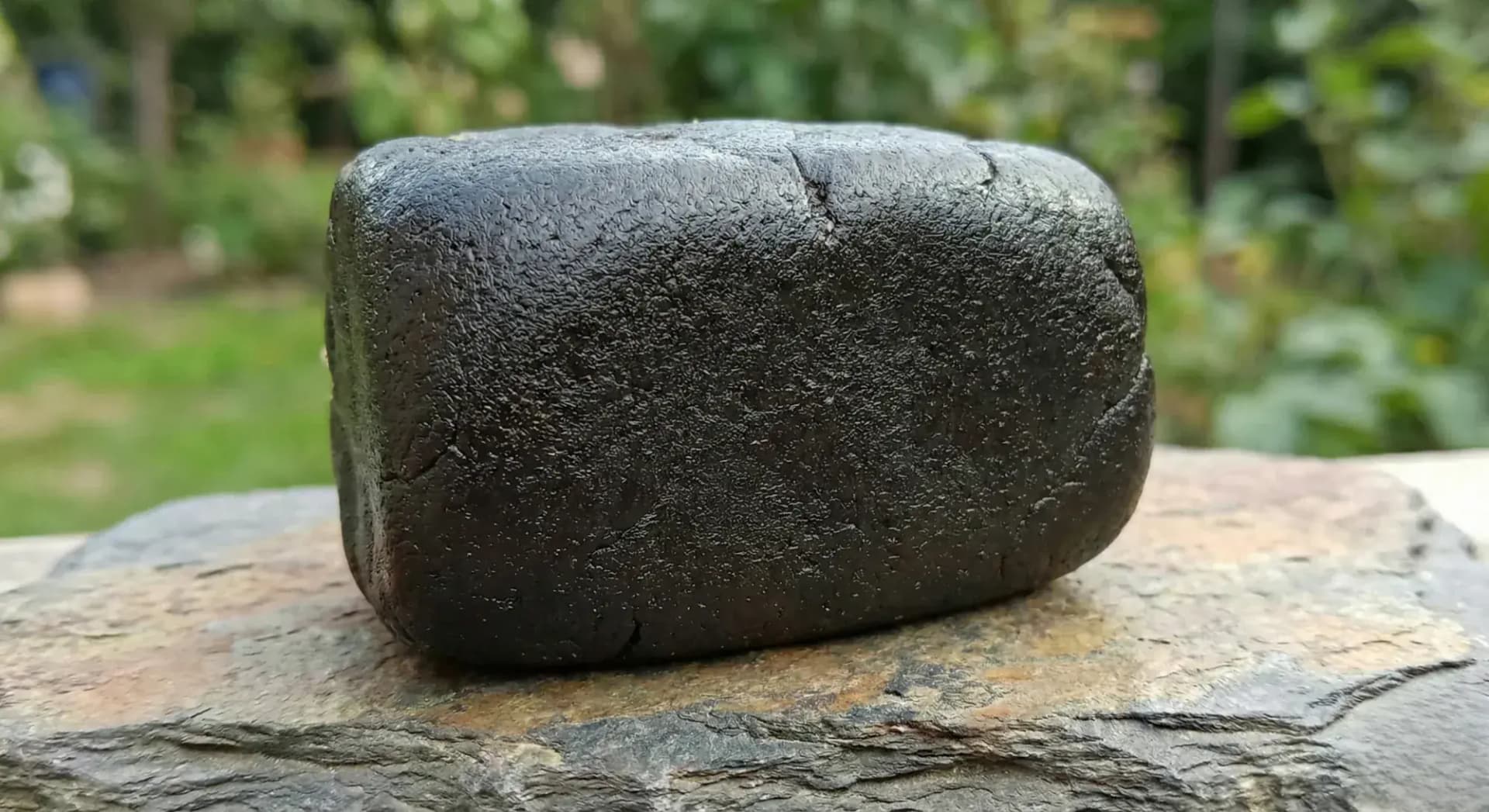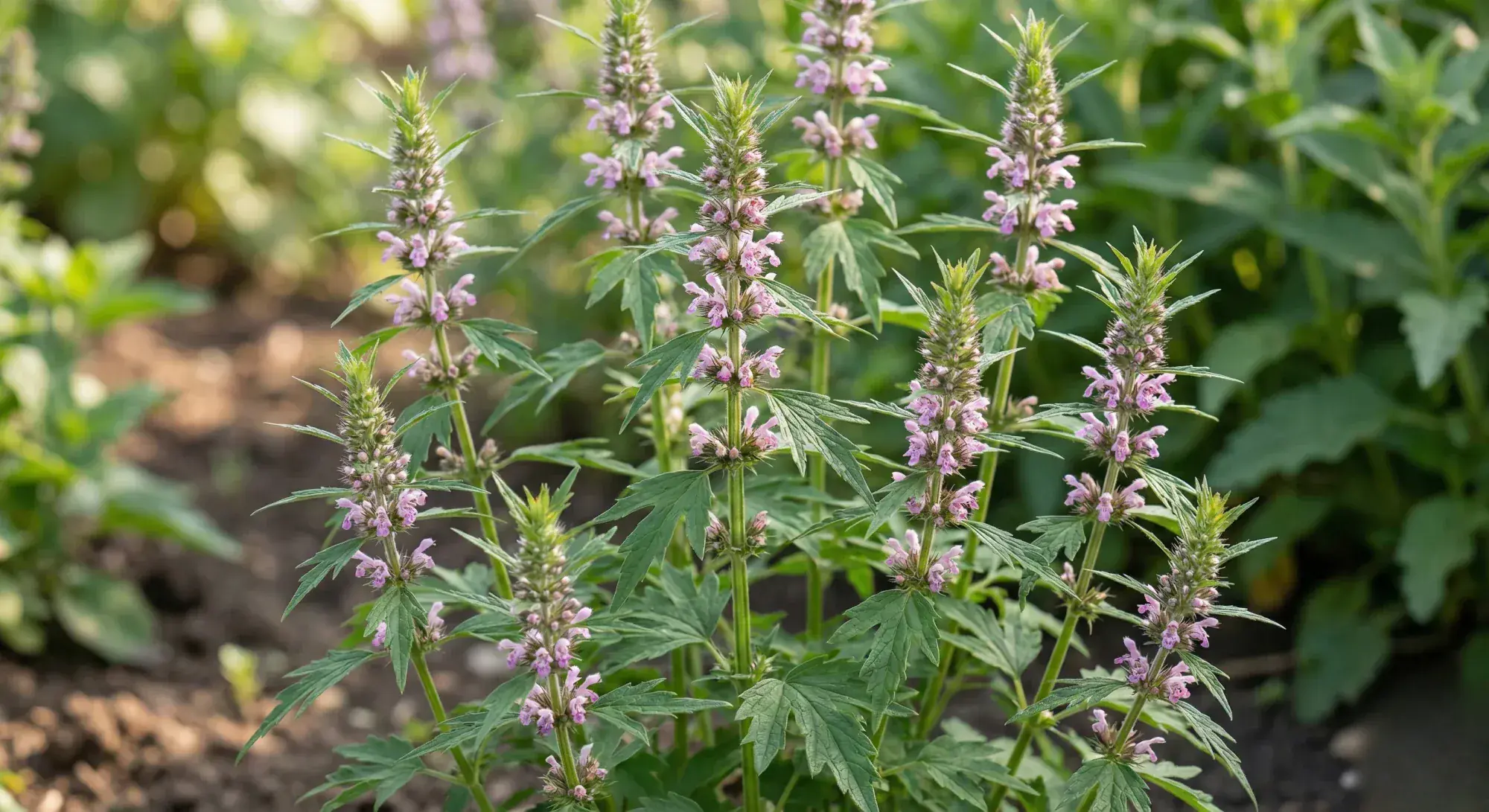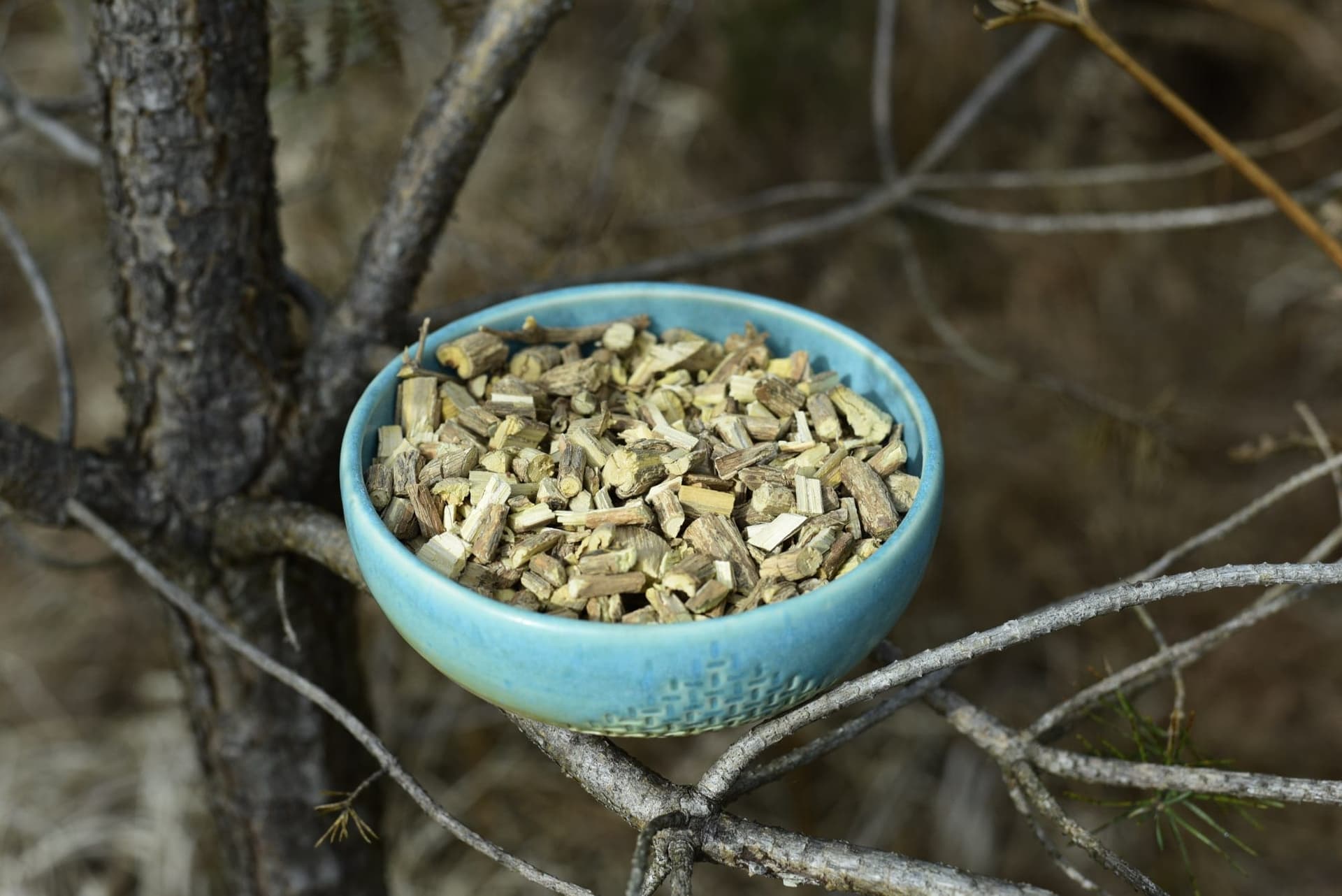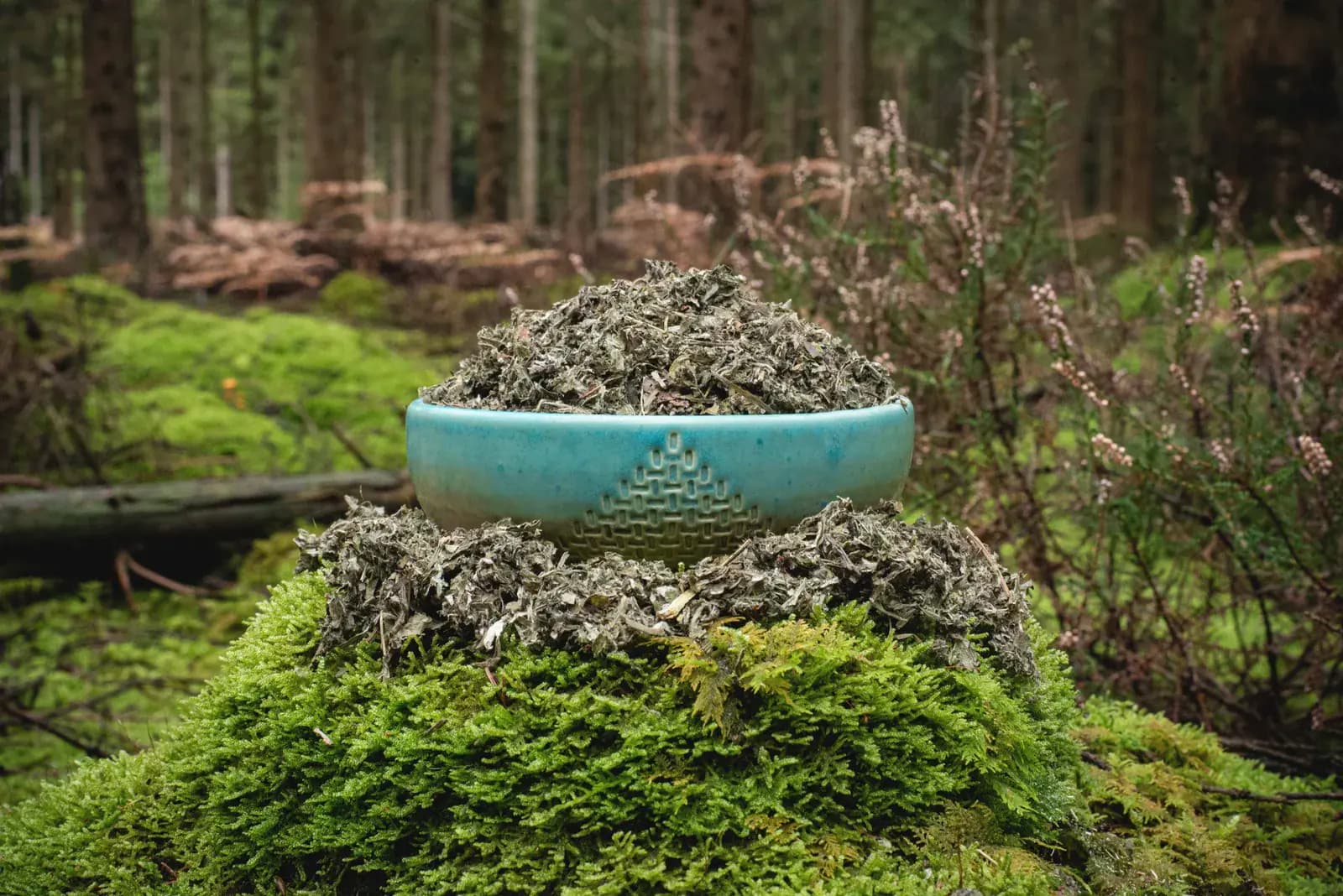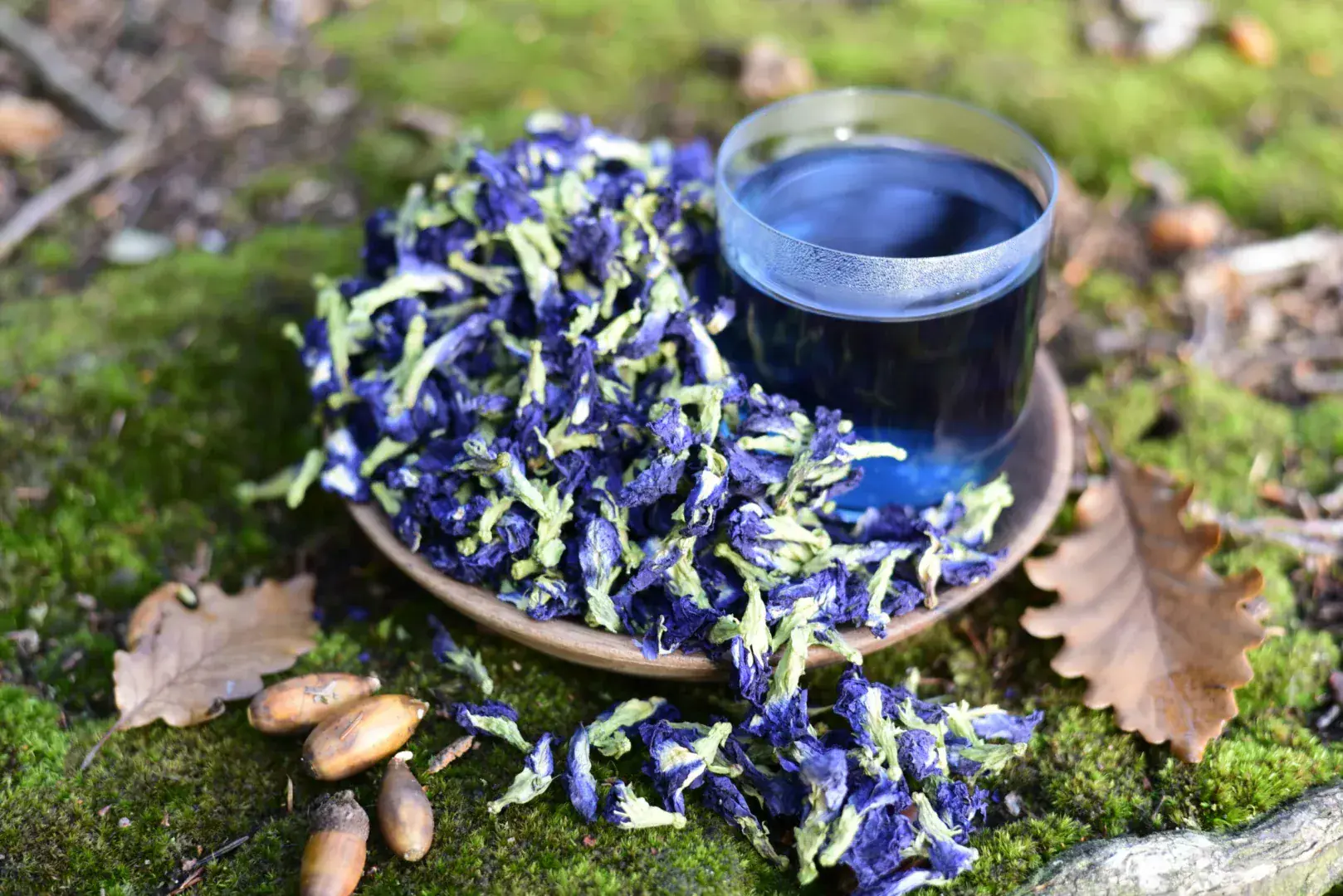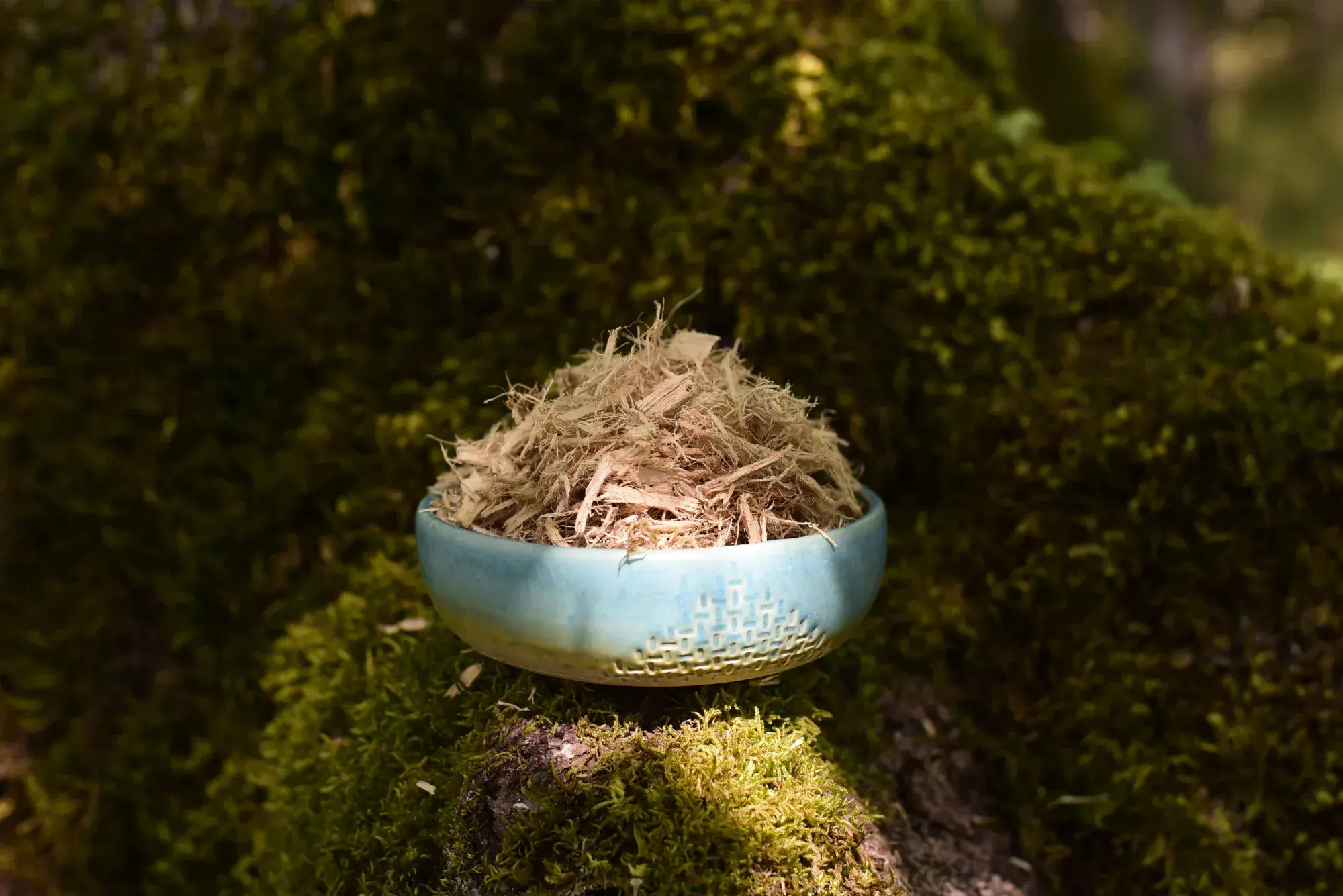
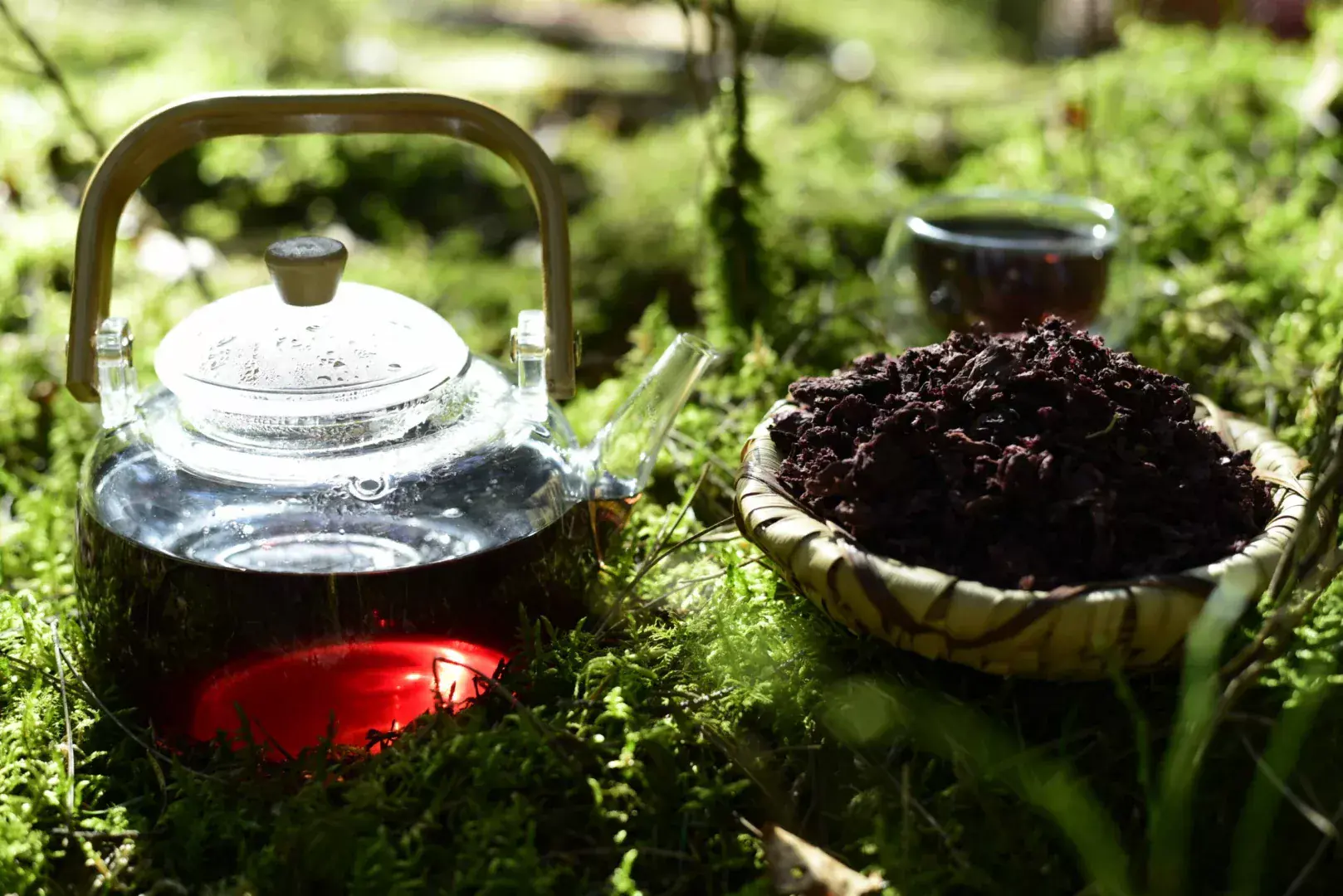
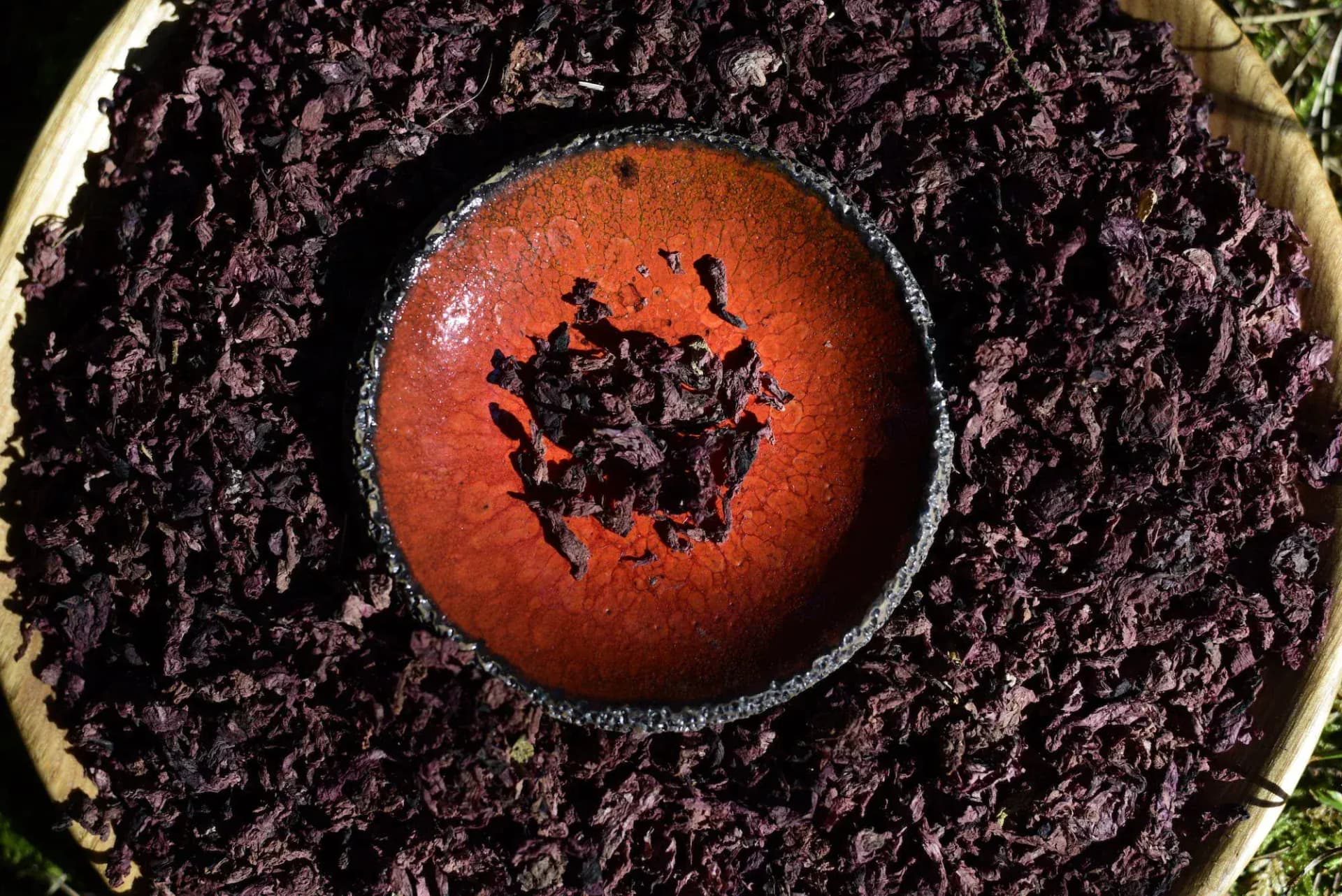
Wild Poppy
★4.9· 114 reviews
€6.00
Ten plants for a full night. Wild poppy, lavender, noble chamomile, mulungu: the ones that let the body settle and wash away the fatigue gathered through the day.
While you sleep, the body gets to work. It clears, it tidies, it consolidates memory, it mends what the day left unfinished. Sleeping well means leaving it this night work, without rushing it.
These Ten plants lower the threshold. They calm the mind, release the shoulders, warm the belly, and let the body choose its moment to let go. Wild poppy cradles, lavender unties, chamomile soothes, and mulungu settles the mind that is still turning.
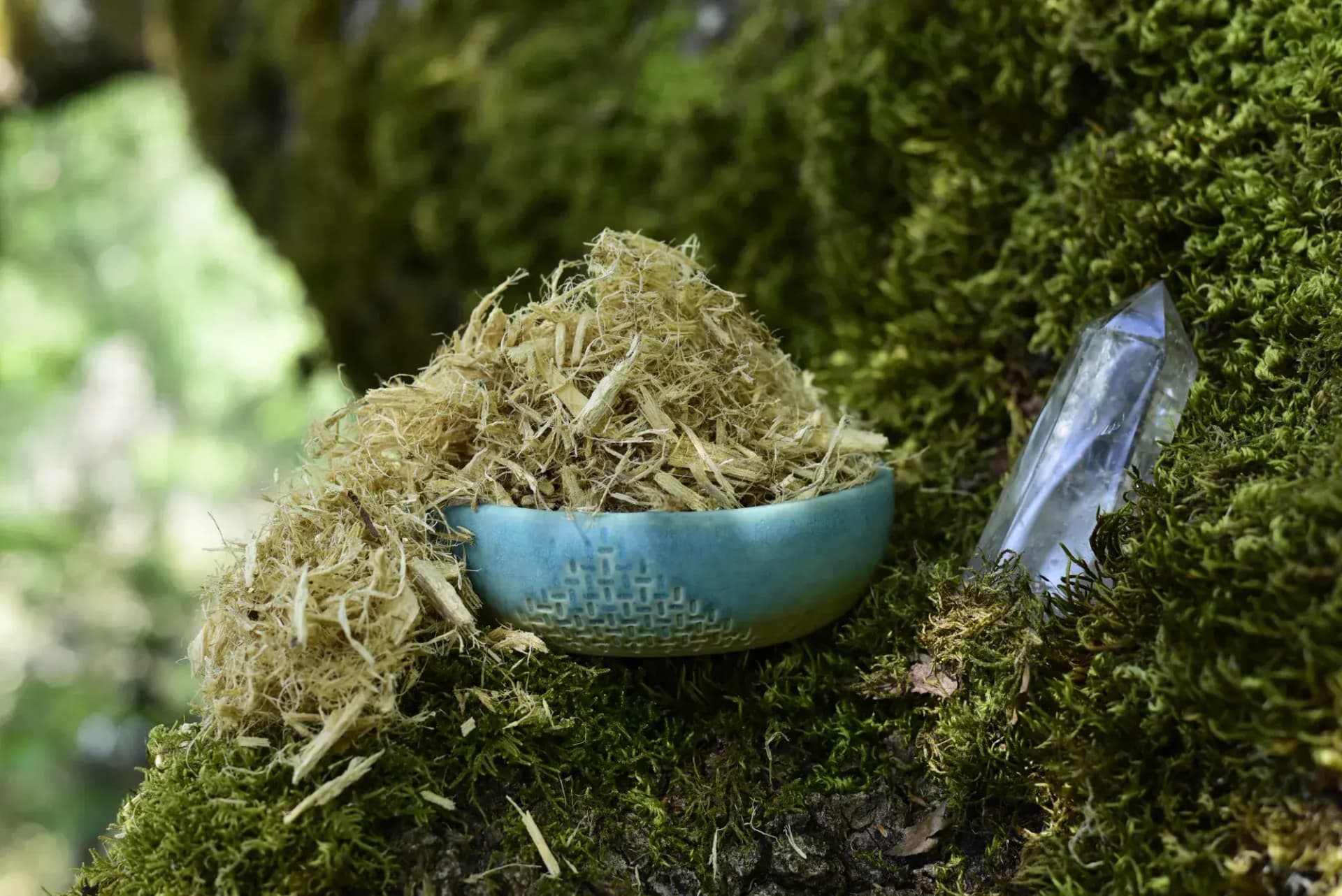
The plants of this family help you fall asleep and sleep deeply: they quiet the mind, release the body and let the night settle in. Dream herbs work on something else: the substance of the dream, its colour, its memory.
They meet all the same. A deep night leaves room for dreams, and lavender is taken alone or alongside a more openly dream-oriented plant.
The plants and the ritual for nights that resist: herbs for deep sleep.
For one evening: wild poppy, lavender, noble chamomile, passionflower, as a tea. For deeper work: mulungu as a short course, Reishi and Ashwagandha over several weeks.
A sleep herb helps you fall asleep and sleep deeply. A dream herb works on the dream itself: its sharpness, its colour, the morning recall. Lavender or passionflower open the night; Calea or mugwort colour the dream.
Yes. Lavender is often taken alongside a more openly dream-oriented plant, and our dreamers pair, for example, Yauhtli with chamomile, or Entada with passionflower.
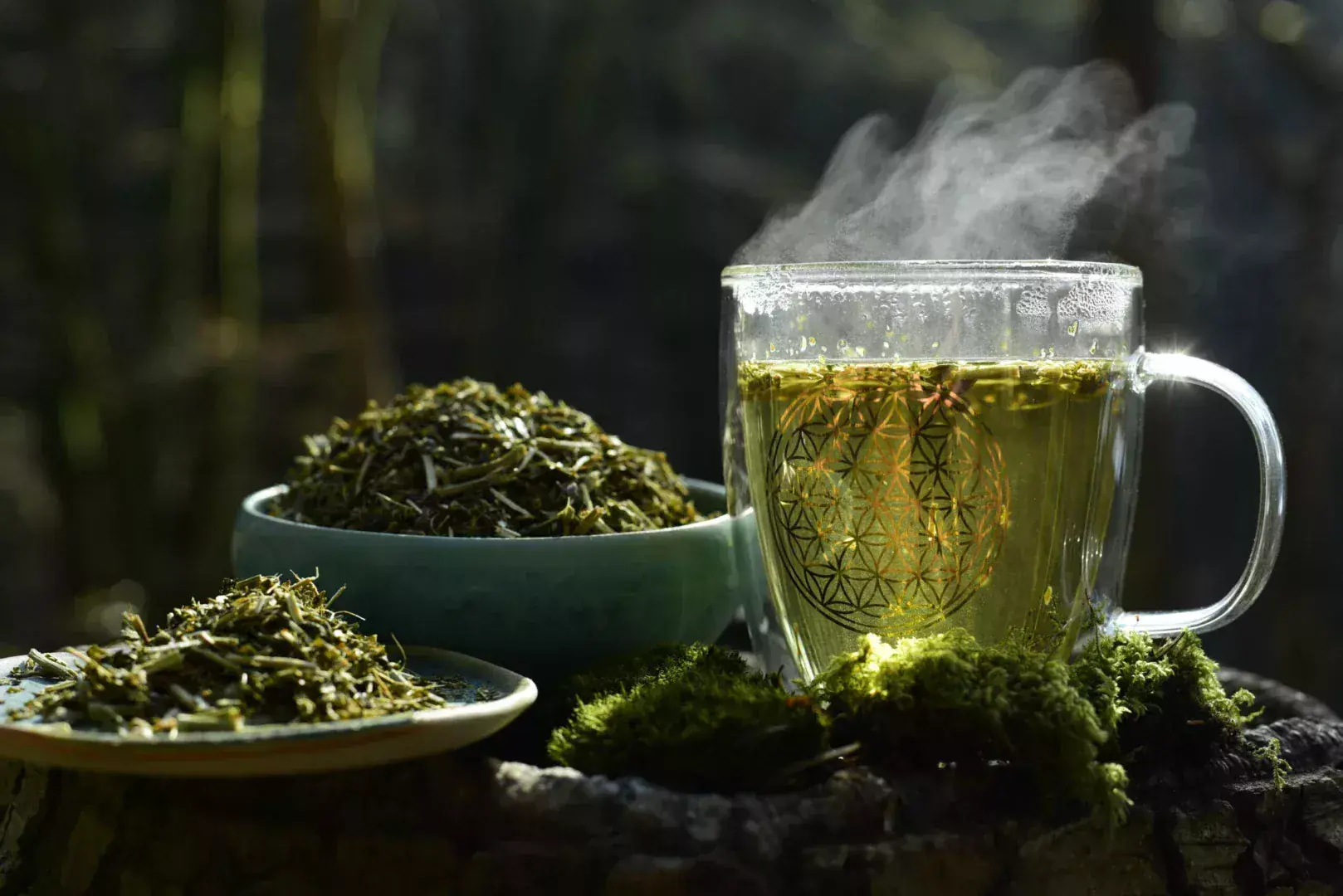
Water just off the boil, never boiling, 7 to 10 minutes of steeping, then a cup drunk warm and slowly, in the quiet of the evening. Each product page gives the amount for its plant.
Pregnancy, breastfeeding, any ongoing treatment (sleeping pills, anxiolytics, antidepressants): ask a doctor before any plant. After a plant that has made you drowsy, driving waits until the next day.
Three simple gestures before the night:
First: infuse 7 to 10 minutes minimum, simmering water, never boiling (60-80°C depending on the plant).
Second: turn off screens 45 minutes before. No plant holds against blue light.
Third: drink warm, slowly, in silence. The body recognizes the evening rhythm.
Voiced essays that extend these plants — traditions, gestures, lineages.